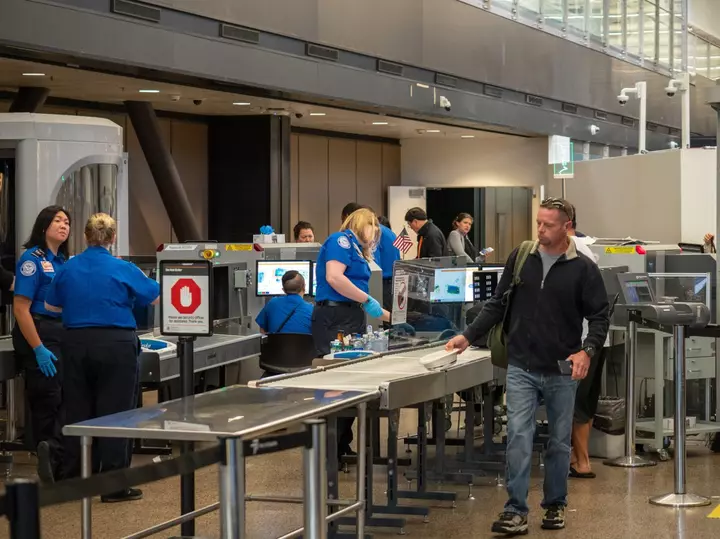
The Transportation Security Administration (TSA) is exploring a voluntary service that could give eligible employees early access to earned wages and support operations during government shutdowns. A procurement notice seeks information from companies capable of operating a voluntary earned wage access platform. The draft calls for a provider capable of supporting and funding operations for at least 120 calendar days during a shutdown without receiving recoupment or payroll data transmissions from the federal government.
The proposal would carry no direct cost to the US federal government. However, the draft contemplates employee charges for services including instant transfers, card usage and account maintenance. No fee amounts have been specified.
Newsweek has approached the TSA for further comment via email. The proposal addresses a financial vulnerability for federal employees: interruptions to pay when government funding lapses. The TSA says its intended service would support employees’ financial readiness and stability, offering an alternative to high-cost lending products, credit cards and emergency loans.
The TSA employs around 59,000 people. The arrangement could provide participating workers with another source of funds during a shutdown. Whether it would be affordable would depend on fees, repayment terms and protections that have yet to be established in the published documents.
The TSA published the request for information on October 23, with responses due by November 4. The agency emphasizes that the notice is for planning purposes and does not constitute a solicitation or government commitment. No provider, launch date or final contract terms are announced.
The TSA also states that it does not currently have an existing contract for earned wage access services. Any future provider would establish a new capability, including integration with the agency’s designated federal payroll provider. Under normal operations, the proposed platform would allow eligible, voluntarily enrolled employees to access part of their earned but unpaid wages before the standard biweekly payday.
Extract — continue reading at the source.
