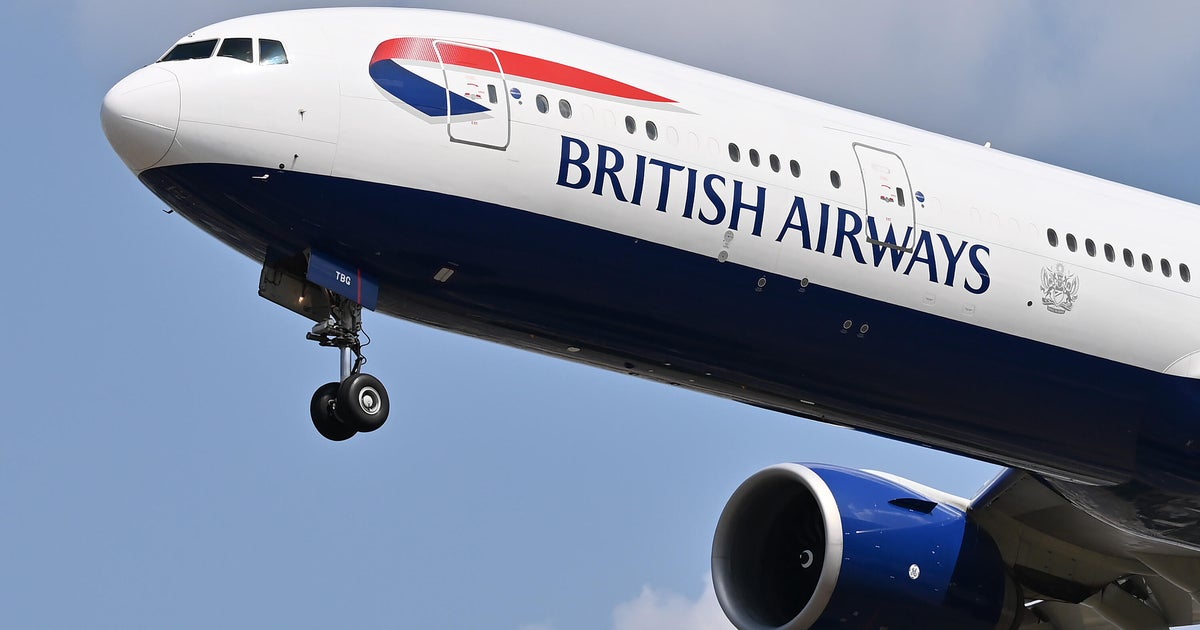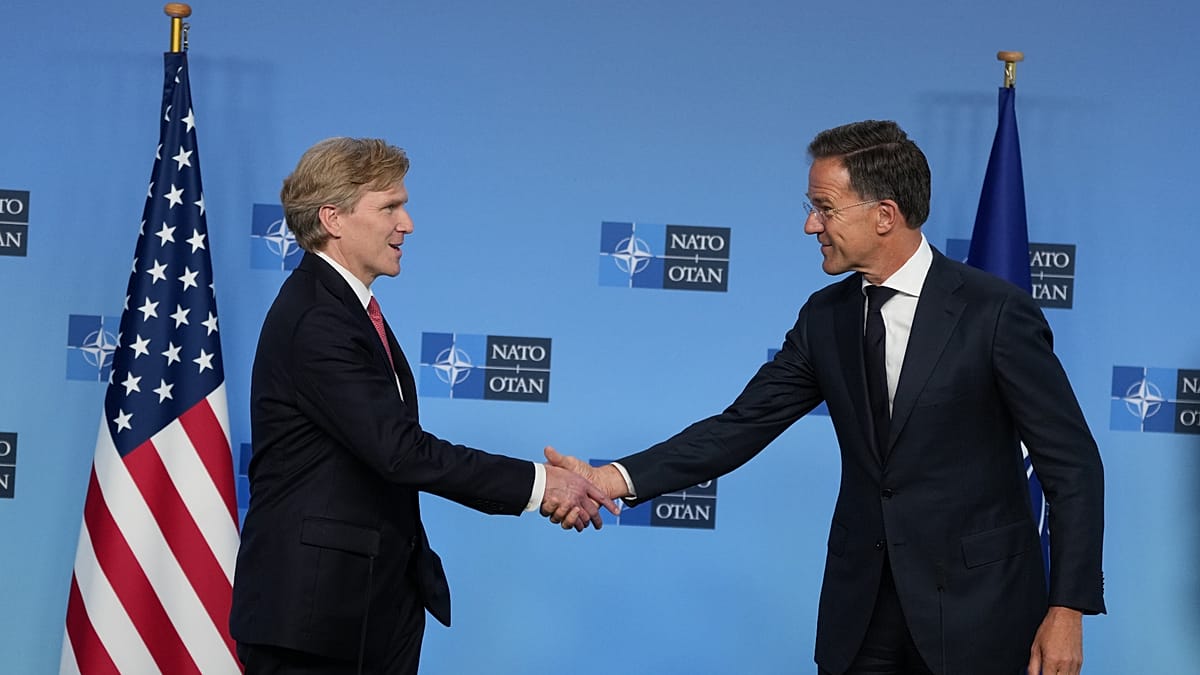
Talks between US Undersecretary of Defense Elbridge Colby and five European countries have raised concerns among NATO experts who warn the format risks dividing the alliance as Washington presses Europe to take greater responsibility for its own defence. Known as the Bergen Group after its inaugural meeting in Norway last year, the format brings together Sweden, Finland, Poland, Germany and the Netherlands. The UK, France and the Baltic states were not invited.
"The bottom line is this is very toxic for an alliance that relies of collective play," said Fabrice Pothier, CEO of geopolitical consultancy, Rasmussen Global. "Clearly this is about the US having favourites," he told Euronews. The group was established to discuss NATO’s future as the alliance shifts towards so-called NATO 3.0: a US invented model in which Europe takes the lead the conventional defence of the continent.
It also involves the US scaling back its traditional role, and withdrawing key capabilities including bombers, submarines and personnel it makes available to the alliance. Meanwhile, NATO is playing down the significance of the separate, US-led subgroup. NATO 3.0 involves the US withdrawing from its traditional role as the leading defence provider in Europe, pulling capabilities such as bombers, submarines and personnel available to the alliance.
While officials dismiss the talks as routine, others argue the arrangement will split members into "good European versus bad European" categories while reinforcing Washington's influence across the alliance. Pothier acknowledged that smaller groups can advance new ideas within organisations, such as the publication of 'non-papers', but he argued that Washington had selected the Bergen countries as they fulfil important defence criteria. "Initiatives, often come from smaller groups," he said.
"These countries bring a certain desired mass – ground, air and maritime," said Pothier. "But why is the US picking some rather than others when this is not a policy exercise?" he said. Pothier, who is former director of policy planning said the separation of the parts of alliance into subgroups creates concern that the US might be more inclined to defend one ally over another.
"You introduce the notion that the US favours some allies and would be likely to defend those allies ahead of the rest," said Pothier. He suggested US President Donald Trump’s “grudge” over the UK and France’s initial refusal to join the war in Iran, along with France’s push to buy European military equipment, could explain their exclusion. UK diplomats, however, rejected the suggestion that Britain was being sidelined, saying they remained in regular contact with their US counterparts.
Extract — continue reading at the source.