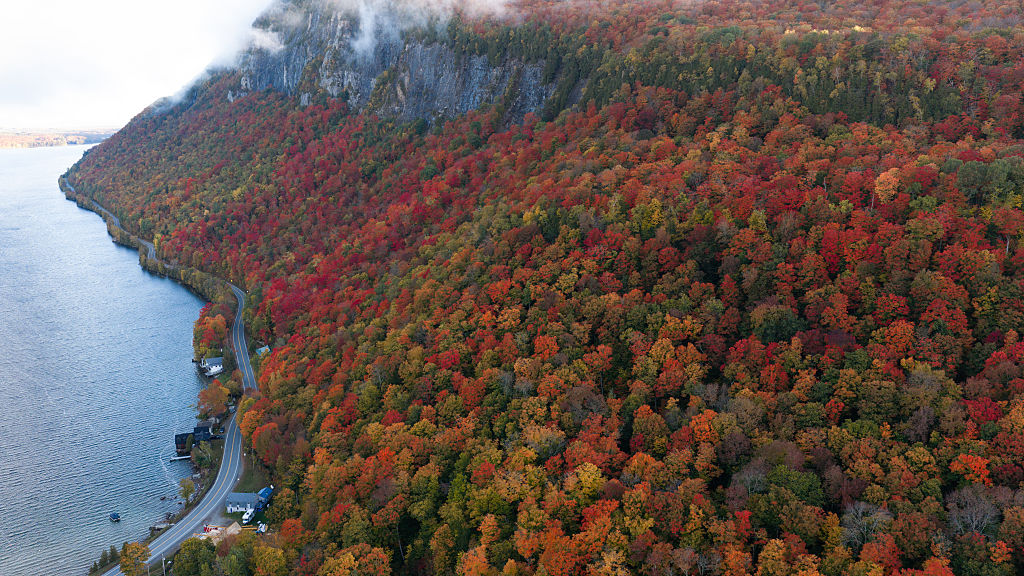
Autumn is officially here—and with it comes leaf-peeping season. Millions of people are expected to travel to view the changing autumn leaves across the United States, bringing billions of dollars in tourism for the towns that can capitalize on their regions’ vivid colors. A 2025 estimate from the U.S.
National Park Service showed that fall tourists spend over $8 billion in the New England region annually. Read More: What El Niño Means for Fall and Winter Weather in the U.S. If you’re looking to pin down the best time and place to catch a brief glimpse of reds and oranges before winter descends, you might find the task trickier than expected.
Experts say that predicting peak fall foliage has never been an easy task, and climate change is only complicating the matter. New England and upstate New York were among the most promising areas in AccuWeather’s August forecast, with wet weather in late spring and early summer and the prospect of drier conditions and cooler nights heading into autumn potentially setting the stage for memorable views. However, AccuWeather forecast less vivid colors in parts of the lower Mississippi Valley and Southeast, citing cloud cover, rain, and a lack of clear, cool nights.
Colorado and the Carolinas could also see duller colors and brittle leaves due to drought conditions in the region. It’s hard to know for certain just how much climate change is impacting the changing of the leaves each fall. That’s because a number of factors—including rain and temperature—can affect when we begin to see fall colors and how vibrant they become.
As days shorten, chlorophyll production in deciduous trees slows and eventually stops, while existing chlorophyll breaks down. Weather conditions also influence the timing and intensity of fall colors. The years 2015 through 2025 have been the warmest on record globally—and the heat impacts trees.
Extreme weather events—including droughts and heavy rainfall—can play a part in the vividness of the colors, while a cold snap can trigger leaves to fall early. However, some research is finding that climate change could lead to a longer season in some instances, as different species of trees respond at different times. Instead of having lots of different species all flipping the switch around the same time, we're going to have this extended period,” says Chris Martine, a professor of biology at Bucknell University and president of the Botanical Society of America.
Extract — continue reading at the source.