But Byron may have been inspired by the fallout of a real cataclysm — one that happened half a world away. Mount Tambora, in present-day Indonesia, blew its top in 1815. More than 71,000 people in the vicinity died.
And climate-cooling aerosols from the eruption ushered in extreme weather the following years in far-flung places. Cold weather in the summer of 1816, sometimes with frosts and snow, destroyed corn in New England, rice and buckwheat in China and wheat, oats and potatoes in Ireland. In some places, the rising cost of bread sparked protests and riots.
The circumstances may have helped spread typhus. Some called 1816 “the year without a summer,” others “the year of the beggars.” Like Tambora, volcanoes, and the cooling they cause, may be an underappreciated geologic force at times moving behind the scenes of human history. While Tambora is the most well-studied eruption in history, others have also rattled the planet.
Oppenheimer and his colleagues analyzed 38 large eruptions in the 2026 Annual Review of Earth and Planetary Sciences. Their work pulled together studies linking the geologic events and their effects on climate with their potential societal fallout in food systems, the economy, unrest, culture and religion. The locations and exact timing of the eruptions that spurred some notable cold spurts aren’t known.
But understanding how the events impacted the climate, environment and society can offer clues to the past, including how people coped with climate stress. Volcanoes may offer lessons about resilience for modern societies in a warming world, she says. Volcanoes spew sulfur-containing gases.
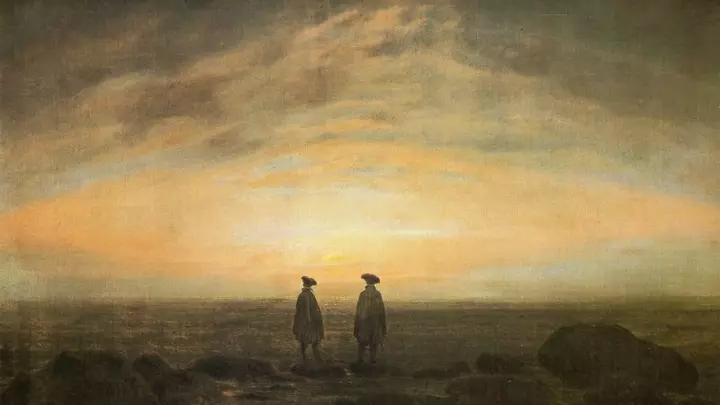
Over weeks, those gases react in the atmosphere to form particles that block sunlight. The particles can stay aloft for many months, riding jet streams to encircle the globe. Paintings from years after eruptions show bloodred sunsets or landscapes shrouded by hazy skies.
Extract — continue reading at the source.