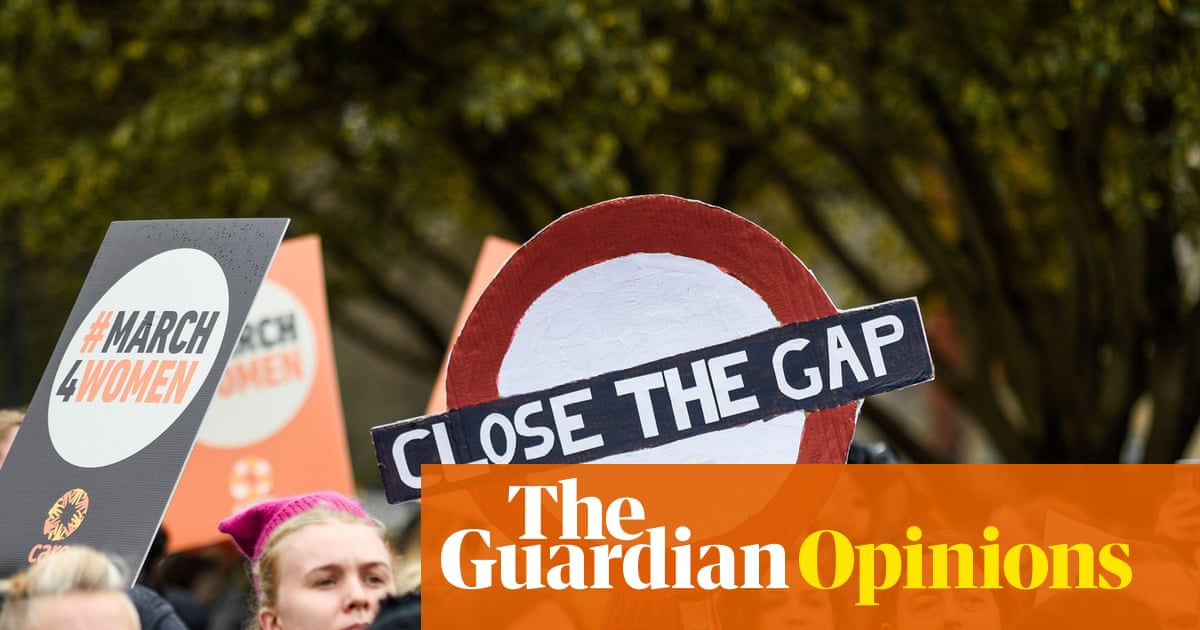
If the Equality and Human Rights Commission gets its way, you will be able to find out. Under its proposals, workers will be able to request detailed information about the pay, bonuses and other perks received by their co-workers. The government agency argues that if we increase pay transparency, we can also reduce the pay gap between men and women.
But countries that have tried this model have discovered that there are downsides to it too. The gap between men’s and women’s pay had started to close when equal pay legislation was introduced in Britain in the 1970s, and then more women moved into previous male-dominated occupations in the 80s and 90s. Today, women in the UK earn on average about 6.8% less than what men earn.
This has left policymakers asking what else can they do. One intervention that dozens of countries have adopted is some form of pay transparency. The idea is that allowing people to understand what others are paid will help to shine a light on blatant inequalities, ultimately creating social pressure to remove them.
Many countries have introduced some version of these transparency laws. Since 2010, organisations in the UK that employ more than 250 people are required to publish their gender pay gap. In sectors such as higher education, employers must publish a report of the gender makeup of all those who are paid more than £100,000 a year.
These kinds of transparency laws have brought progress. One US study found that instituting gender pay reporting in the UK led to a 19% reduction in the gap between men’s and women’s pay. However, it also found that this reduction came largely from curtailing the growth of men’s pay, rather than stimulating the growth of women’s.
In the UK university sector, meanwhile, a slightly different picture emerges. Following the 2007 requirement to report people paid above £100,000 a year, there has been a small increase in women’s earnings relative to men’s. However, this has mainly benefited highly paid women who have used pay transparency to help negotiate better packages.
Extract — continue reading at the source.