There are two trends shaping the future of filmmaking: audiences are encountering stories across an expanding range of platforms, and with that, questions around authenticity are getting harder to ignore. For filmmakers, the challenge is not simply to keep pace with new technology or adapt stories to shorter attention spans. It is to consider what makes a story worth watching in the first place, particularly when the distinction between human-created and AI-generated content is becoming less obvious.
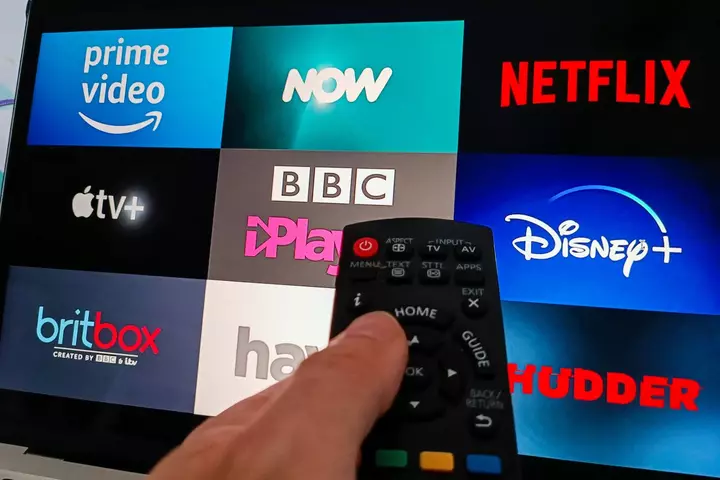
In a September 2025 survey, Pew Research Center found that 76 percent of Americans considered it extremely or very important to distinguish AI-generated images, videos, and text from human-created material. Yet 53 percent expressed little or no confidence in their ability to make that distinction. Meanwhile, Nielsen reported that streaming accounted for 44.8 percent of U.S. television viewing in May 2025, surpassing broadcast and cable combined for the first time.
Technology can make it easier to produce images, assemble footage, and distribute content. But it cannot automatically create the trust that allows an audience to connect with another person's experience. That connection often begins long before the editing process, with how a filmmaker approaches the person whose story is being told.
My experience in filmmaking has taught me that the quality of a documentary depends as much on how a story emerges as on how it is presented. The first responsibility is to make hosts and interviewees comfortable enough to speak honestly. Cameras, lighting equipment, and microphones can make even confident individuals self-conscious.
An interview that feels like an interrogation can produce guarded answers and rehearsed statements. I try to reduce those pressures. Keeping questions short, choosing a setting that reflects the interviewee's life, restricting crew from their eye line, and allowing a conversation to develop naturally can help people feel more at ease.
That requires accepting an element of unpredictability. An interviewee may answer a question differently than expected, or take a moment to find the right words. Those moments are not obstacles to a compelling story.
Extract — continue reading at the source.