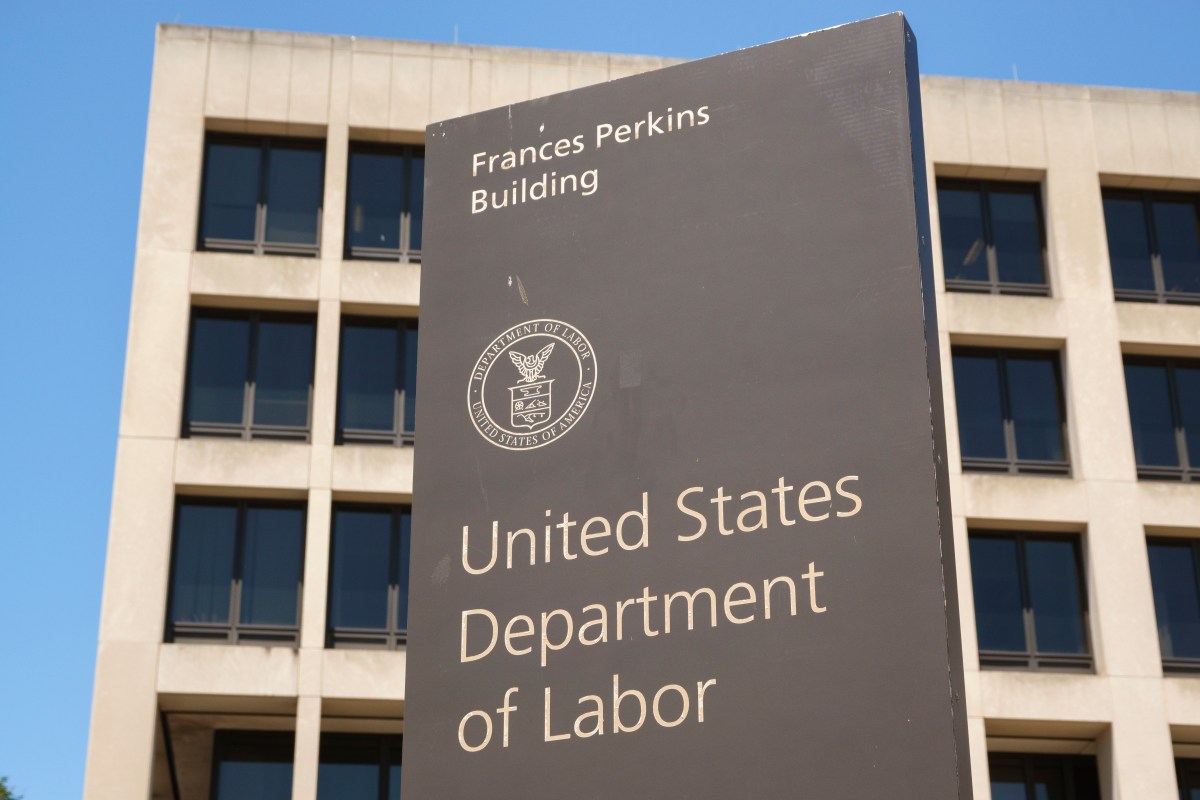
As the Trump administration scrutinizes IT company Cognizant's H-1B green card participation over alleged fraud, a handful of other companies are also suspended from accessing new visa holders or seeking permanent residency for existing employees. The federal government's decision to suspend or debar employers from the H-1B visa program is intended to punish rule breakers and protect foreign workers and U.S. employees, but what happens afterward is difficult to measure. The Department of Labor maintains a list of employers currently barred from participating in the H-1B program after labor-law violations.
As of September 2026, only a handful of employers were listed as actively debarred, despite the program supporting hundreds of thousands of foreign workers across the United States. Government data makes clear that companies can face significant penalties, including bans on filing new H-1B petitions, civil fines and restrictions on sponsoring workers for permanent residence. What is far less clear is whether those penalties result in more jobs for American workers.
"PERM application jobs usually are senior-level, require expertise and require some touch point with the end client, such that geographic proximity is a necessary part of the job," Daniel Kotchen, an attorney with Kotchen & Low LLP in Washington, D.C., who has challenged H-1B practices, told Newsweek. "I’d expect that any visa-dependent company foreclosed from submitting PERM applications would be forced to adjust employment practices and employ more Americans if unable to seek permanent residency for visa employees." Newsweek reached out to the Department of Labor for comment via email Wednesday afternoon. The Department of Labor's (DOL) H-1B debarment list is relatively small compared to the thousands of employers that participate in the visa program each year.
As of September 1, the department listed five employers that are currently debarred or disqualified from participating in the program. H-1B visa numbers for the last two organizations on the list were not immediately clear from government data. Separately, the Labor Department also maintains a list of H-1B "willful violators." Employers on that list have been found to have committed serious violations of program requirements and face enhanced scrutiny and additional legal obligations.
Not every willful violator is necessarily subject to an active debarment, meaning the two lists are related but not identical. One common misconception is that a company barred from the H-1B program must immediately dismiss all of its foreign workers, but that is not how the system works. According to DOL guidance, debarment does not invalidate visas already held by employees.
Workers can generally continue working under existing authorization, but the employer loses the ability to obtain new H-1B approvals and, in many cases, cannot pursue extensions or green card sponsorship while the debarment remains in effect. That creates a dilemma for workers whose long-term status depends on their employer. In practice, some workers may seek to transfer to a new sponsor, while others may face difficult decisions if their work authorization approaches expiration.
Extract — continue reading at the source.