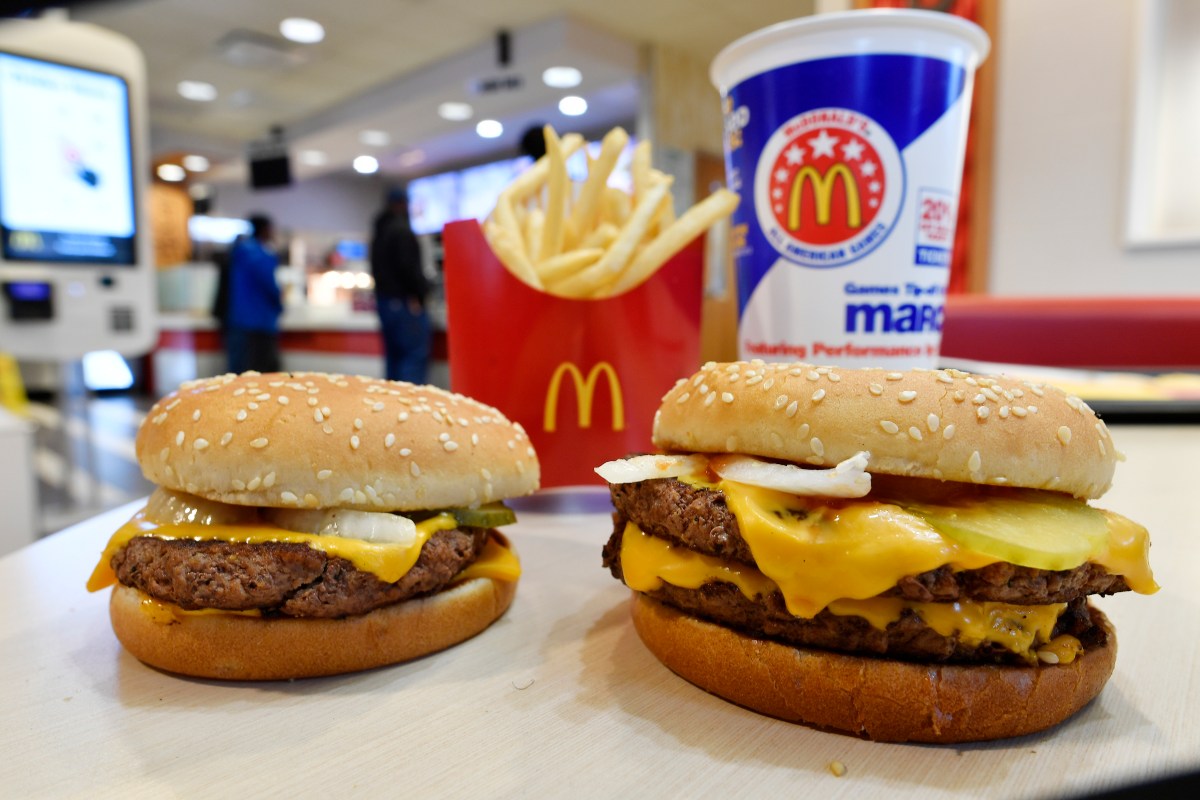
Few dishes have become so synonymous with the United States’ way of life as the classic American hamburger. As well as being President Donald Trump’s dish of choice, the magazine Food & Wine recently put the burger—more specifically In-N-Out’s Double Double—at the top of its list of American delicacies World Cup fans were urged to try when visiting the country. An online tracker from the food-tech firm Toast finds that the median price of a burger in U.S. restaurants in July rose to $14.72, up only modestly compared to overall inflation but nevertheless more than double the federal minimum wage of $7.25.
And the price of its components continues to climb—particularly for beef—drawing significant attention from members of Congress and the administration as Democrats and Republicans attempt to position themselves as the champions of affordability ahead of November's midterm election. For an overview of the American economy—the challenges facing its consumers, producers and powers that be—one simply needs to look to the burger. While prices for white bread and certain other categories tracked by the Department of Labor (DOL) have climbed at a faster pace, the general bakery products index, which encompasses bread, has risen more slowly than headline inflation (3.4 percent) over the 12-month period ending in July But costs have increased by around 30 percent over the past five years, even as prices for the primary ingredient—wheat—plummeted after the initial months of Russia's invasion of Ukraine in 2022.
In 2024, TIME reported that bread prices spiked alongside wheat, and that many bakeries used this as an opportunity to catch up on years of rising labor, transportation, and energy costs. The price of bread, like most products, is made up of more than its ingredients, and the industry has expressed concerns about input inflation as well as trucker and labor shortages. By 2030, the American Bakers Association projects that the sector will be battling a “staggering 53,500 unfilled jobs.” Fold in delivery costs for this especially perishable good.
Gas at the pump still costs around 40 percent more than before the launch of the Iran war in February. Years of drought and rising production costs have strained American ranchers and driven the U.S. cattle herd to its smallest size since the early 1950s. These issues have been exacerbated by screwworm outbreaks, trade restrictions and minimal signs of progress in rebuilding the herd—pushing beef prices to an all-time high.
The issue has come to a head during grilling season, and the administration has been weighing means of offering relief to consumers without upsetting ranchers and voters in farming states. On August 21, Trump said the U.S. would temporarily allow imports of up to 300,000 metric tons of foreign beef tariff-free to “substantially” lower grocery costs. The plan drew immediate pushback from farmers and certain GOP lawmakers—one rancher recently told Newsweek this "in-your-face betrayal" could lead to a further wave of farm bankruptcies.
Agricultural experts also questioned where the U.S. could source this beef and how the administration could force retailers, as Trump pledged, to sell this at “25 percent below current market prices.” And while Trump continues to blame them for contributing to high prices, the country’s “big four” meatpackers are not faring much better. In June, JBS USA announced it would be shutting down two facilities, impacting around 2,000 jobs. And Tyson Foods, the country’s largest processor, said it would also be shuttering plants as it battles excess capacity and margin pressure from “one of the most historic cattle shortages the country has ever experienced.” Near-record cheese output has benefitted from abundant dairy production, with prices moderating in kind despite exports also reaching an all-time high in recent years.
Extract — continue reading at the source.