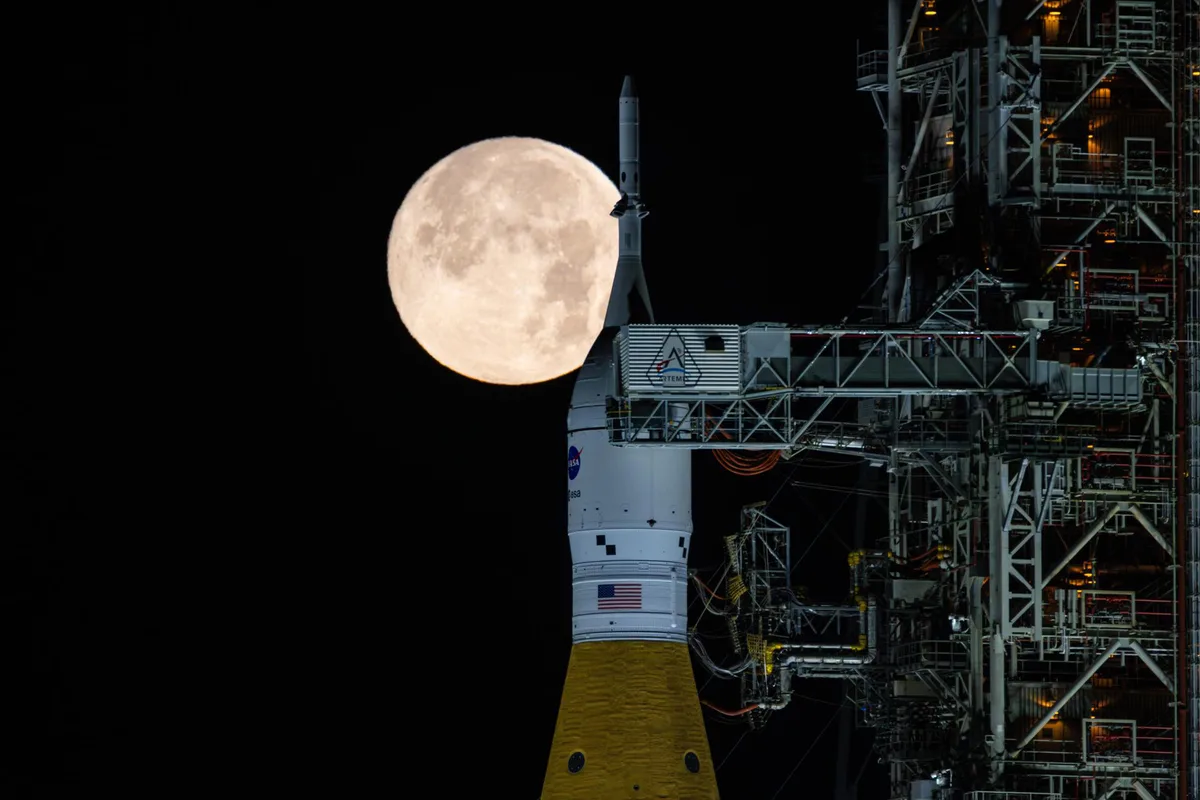
Wheat, tomatoes, sweet peppers and leafy greens could become the first crops grown on future lunar bases. Four types of crops — wheat, sweet peppers, tomatoes and leafy greens — are being considered for cultivation in space facilities designed to resemble future lunar bases. Margarita Levinskikh, Academic Secretary of the Institute of Biomedical Problems (IBMP) of the Russian Academy of Sciences and Doctor of Biological Sciences, told TASS about the plans.
These include wheat, sweet peppers, tomatoes and leafy greens,” she said on the sidelines of a press conference presenting the results of the “Into Space with Your Tomato” project. However, developing new plant varieties adapted to space is a highly complex process. Future space crops would need to withstand harsh environmental conditions while also meeting specific physical requirements, such as having a suitable size for cultivation in confined spacecraft or lunar habitats.
As part of the project, Russian and Belarusian schoolchildren worked with researchers from the IBMP to send seeds of four tomato varieties — Pinnocchio, Groshik, Donetsky and Bull’s Heart — into space aboard the Bion-M No. 2 biosatellite in August–September 2025. The students then germinated the space-flown seeds alongside identical control seeds kept on Earth. The experiment was designed to examine how factors such as microgravity, extreme temperatures and cosmic radiation could affect seed germination and plant development.
Interestingly, the tomatoes that had spent time in space retained their main biochemical characteristics. However, researchers detected changes at a much more subtle level — within molecular mechanisms. According to Levinskikh, some of the seeds could potentially develop changes in their genetic material in the future.
If such changes prove stable and beneficial, they could eventually contribute to the development of new varieties specifically adapted to growing beyond Earth. In other words, the tomatoes flying into space today could one day help scientists grow food on the Moon — and perhaps even on Mars. Here we are to serve you with news right now.
It does not cost much, but worth your attention. Choose to support open, independent, quality journalism and subscribe on a monthly basis. By subscribing to our online newspaper, you can have full digital access to all news, analysis, and much more.
Extract — continue reading at the source.