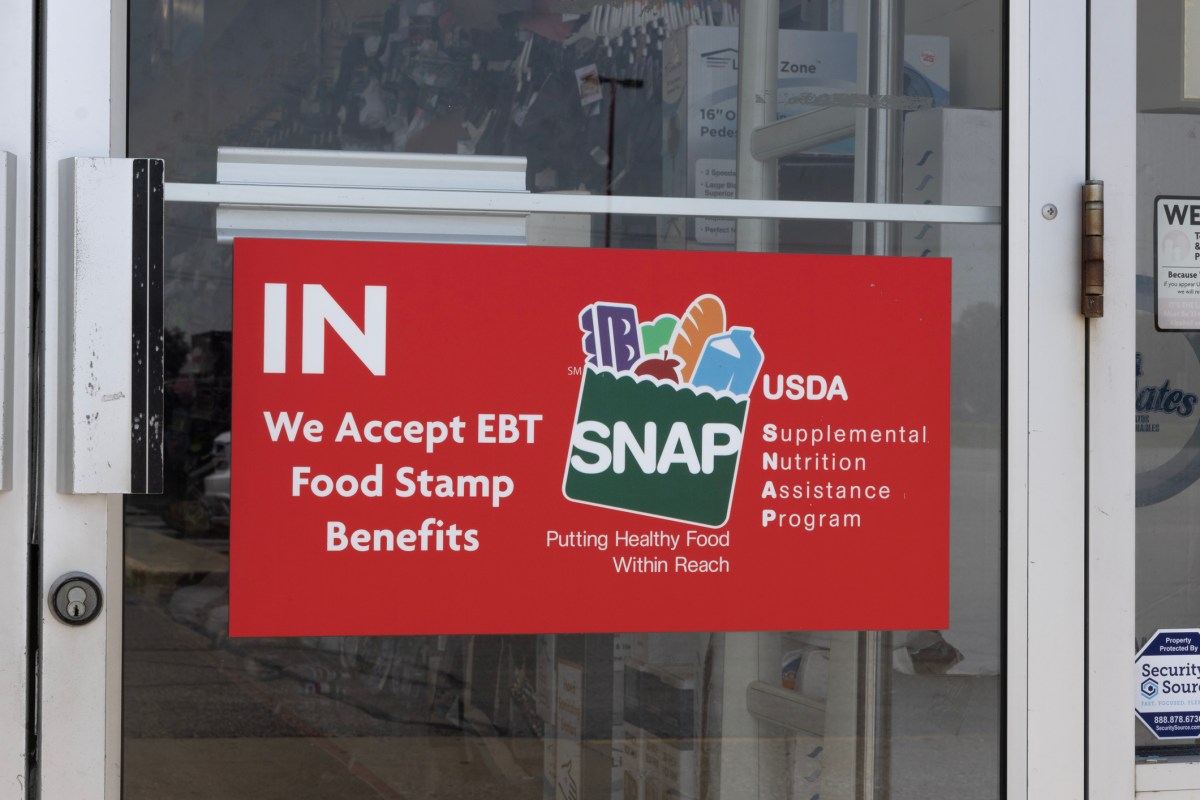
Millions of Americans who receive benefits through the Supplemental Nutrition Assistance Program (SNAP) will begin collecting their October payments next week. But when will you get yours? SNAP, often referred to as food stamps, provides monthly food assistance to eligible low-income households.
More than 36 million people across the U.S. currently receive SNAP benefits, which are delivered electronically through an electronic benefit transfer account (EBT). Recipients use this EBT card, which works like a debit card, to pay for eligible groceries at SNAP-authorized retailers. The program is overseen federally by the U.S.
Department of Agriculture (USDA) but administered by the states, meaning not all recipients get their benefits at the same time. Although SNAP is federally funded, states administer the program and set their own payment schedules. Benefits are loaded onto a recipient's EBT account in a single payment issued once per month.
Some states, particularly those with smaller populations, issue benefits to their entire caseload on one day. Alaska, North Dakota, Rhode Island and Vermont, for example, generally issue benefits on the first of the month, while South Dakota distributes them on the 10th. Other states stagger payments according to factors such as a recipient's case number, Social Security number, last name or other information.
California's CalFresh payments, for example, are distributed during the first 10 days of the month according to the final digit of the recipient's case number. The asterisk indicates that New York’s SNAP benefits are issued according to the state’s staggered payment schedule, so the October dates shown may represent the beginning or end of the monthly issuance period rather than a single statewide payment date. October marks the beginning of the 2027 federal fiscal year, meaning new SNAP maximum allotments will take effect on October 1.
For the 48 contiguous states and Washington, D.C., the maximum monthly benefit will increase to $306 for a one-person household, $562 for two people, $808 for three people and $1,023 for a four-person household. Separate benefit levels apply in Alaska, Hawaii, Guam and the U.S. This does not mean an automatic boost for all SNAP recipients, with benefits usually coming in lower and dependent on your income.
Extract — continue reading at the source.