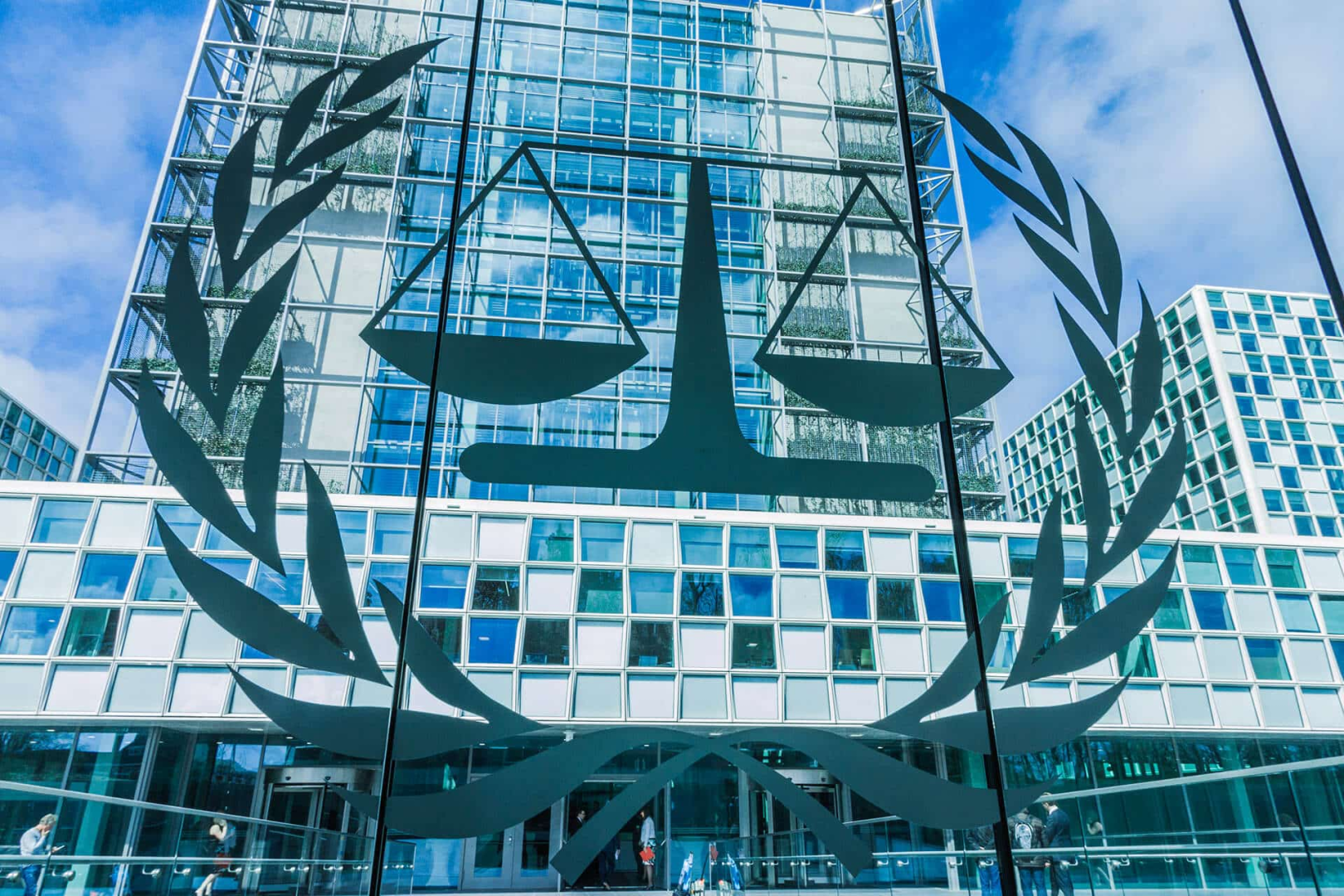
Justice, and the defence of justice, have throughout history been ideals repeatedly squeezed by pressure, political interests and seemingly endless disputes over what constitutes right and wrong. The concept of justice has rarely existed in a political vacuum. Different interpretations of events, competing interests and conflicting geopolitical agendas have consistently created room for actors to cast a shadow over what should otherwise be a universal principle.
That problem becomes even more consequential when it reaches the institutions designed to protect international law. International law was built on the premise that rules should stand above politics. However, the more closely one examines the visible record of recent international affairs, the harder it becomes to ignore the growing perception that the law itself can be pulled into political battles.
The language of justice remains universal, but its application can appear increasingly selective. And when the institutions entrusted with defending the law become embroiled in questions of political influence, institutional independence and double standards, the credibility of the entire system begins to suffer. The International Criminal Court, in this particular context, has faced major controversies and criticism over allegations of political bias, selective justice, questions surrounding national sovereignty and contentious arrest warrants involving senior political figures.
The Court's decision to issue arrest warrants for Israeli Prime Minister Benjamin Netanyahu and former Defence Minister Yoav Gallant, for example, has further intensified the political debate surrounding the institution and the limits of its jurisdiction. None of this means that international law itself should be put on trial. It means the institutions operating in its name deserve closer scrutiny.
There is a fundamental difference between the law and those empowered to enforce it. A legal framework may be neutral on paper while its interpretation and implementation are inevitably shaped by human beings, institutions and, in some cases, political calculations. The motives behind legal action therefore matter just as much as the legal language used to justify it, and this is where the history of the ICC becomes particularly difficult to ignore.
Throughout its existence, the Court has faced criticism from governments and political actors across different regions, while the United States has also maintained longstanding objections to aspects of its jurisdiction and operation. But some of the most serious questions surrounding the institution emerged from within its own walls. Well, the case of Luis Moreno Ocampo, the ICC's first chief prosecutor, remains particularly significant.
Extract — continue reading at the source.