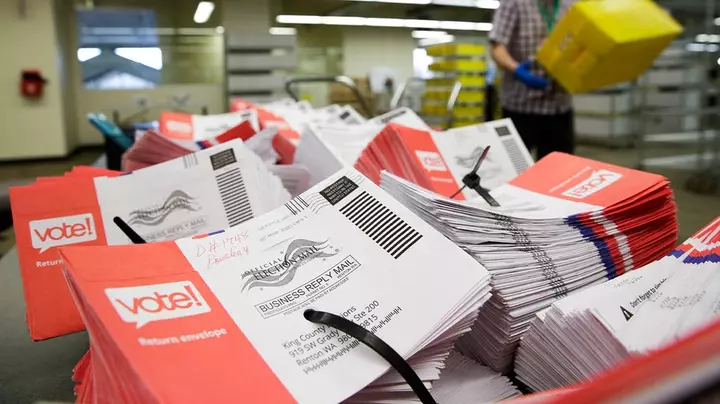
A strengthening El Niño could bring wetter, stormier weather to parts of the U.S. this winter, including increased chances of rain and snow across the southern tier. But that may not mean that Lake Mead, the nation’s largest reservoir, is likely to see a simple rescue as a result of the climate pattern. El Niño is the warm phase of the El Niño-Southern Oscillation, or ENSO, a recurring climate pattern linked to warmer sea surface temperatures in the equatorial Pacific.
During a typical El Niño winter, the Pacific jet stream shifts southward, often making the southern U.S. stormier and increasing the chances of both rain and snow, according to the National Oceanic and Atmospheric Administration (NOAA). This year’s event is expected to be especially strong. NOAA’s Climate Prediction Center said in its August 13 diagnostic discussion that El Niño is strengthening, with a greater than 90 percent chance of a very strong event during the Northern Hemisphere fall and winter of 2026-2027.
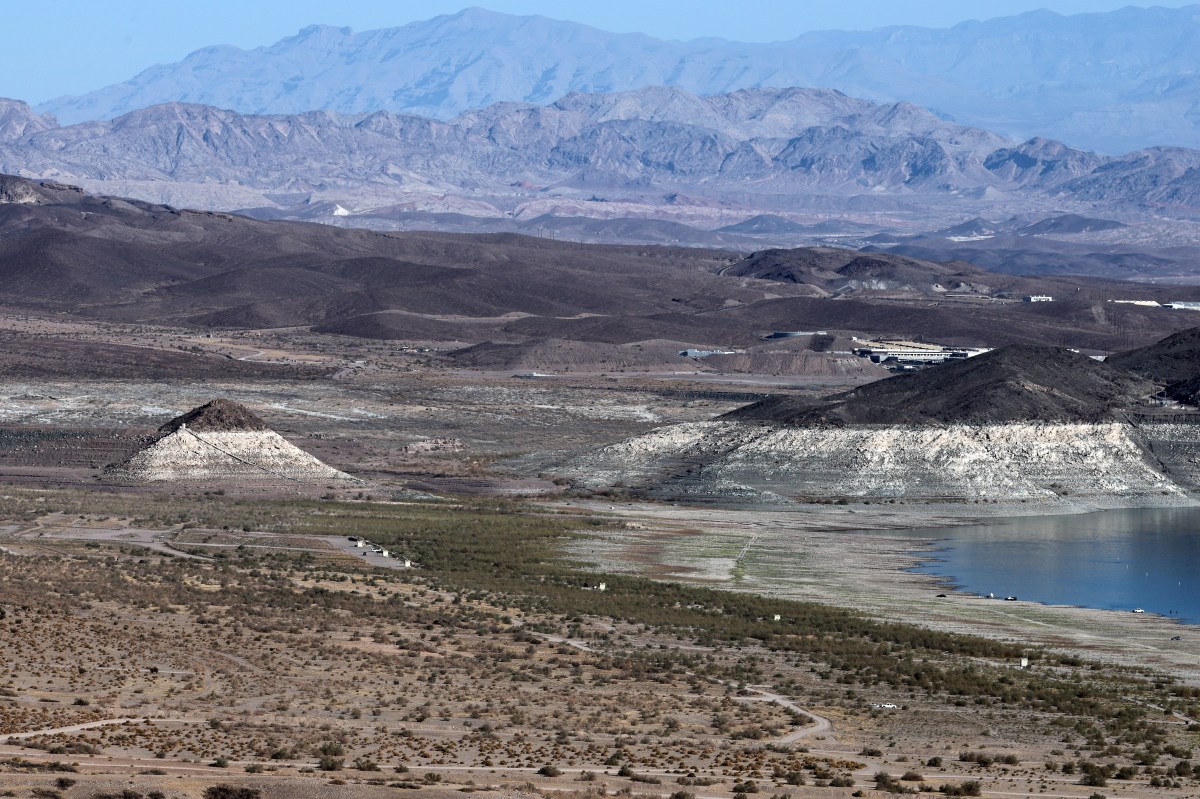
It also said there is a 69 percent chance during October to December of a historic event exceeding the strength of previous El Niños dating to 1950. The forecast may sound like good news for a Colorado River system under severe strain. Lake Mead, which sits on the Arizona-Nevada border behind Hoover Dam, recently fell to its lowest level since it was first filled nearly 90 years ago.
The decline followed prolonged drought and what was described by officials as the worst snowpack on record for the Colorado River Basin. The stakes are high because Lake Mead is not merely a recreation destination outside Las Vegas. It is one of the central storage reservoirs in the Colorado River system, which supplies water for roughly 40 million people across seven U.S. states while also supporting agriculture, wildlife and hydropower.
The reason, he said, is that the Colorado River Basin’s climate and hydrology vary widely from year to year. Although El Niño has recognizable winter tendencies across parts of North America, those broad patterns do not translate neatly into a dependable snowpack forecast for the Upper Colorado River Basin, where most of the river’s water begins, according to Miller. We’ve also had well-below-average snowpack events under all three of those conditions as well.” That distinction matters because snowpack acts as a natural water-storage system in the West.
Snow accumulates in mountain areas during winter and melts in spring and early summer, contributing to streamflow and downstream water availability. But the amount of runoff depends on more than whether the Pacific is in an El Niño state: NOAA’s Colorado Basin River Forecast Center says spring runoff is shaped by snowpack conditions, spring weather and soil moisture, while USGS research has found that warming and evaporation can reduce the amount of water that ultimately runs off into the Colorado River. Even a strong snow year may not guarantee a dramatic rebound at Lake Mead.
Extract — continue reading at the source.