Azerbaijan’s president has no need to abandon the Turkic world to make clear that friendship cannot mean accepting public humiliation or interference in sovereign decisions. By any conventional measure, the relationship between Azerbaijan and Türkiye is among the closest in international politics. Bound by history, language, culture and a shared strategic outlook, the two countries have long described themselves as “one nation, two states”.
However, the slogan that has helped define their partnership is now facing an uncomfortable test: what happens when the language of brotherhood is used to demand political conformity? For the past month, Azerbaijan, its president and its domestic policies have faced an increasingly hostile campaign in sections of Türkiye’s political and media landscape. The immediate controversies have varied, from Azerbaijan’s relations with Israel to the conduct of an Azerbaijani representative during Benjamin Netanyahu’s address to the United Nations and a decision concerning school uniforms.
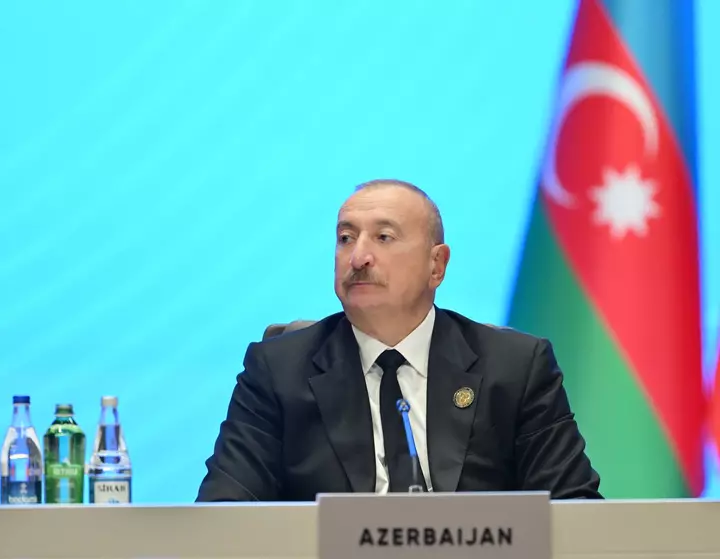
But the underlying accusation has remained remarkably consistent: Azerbaijan should conduct its foreign policy and make its domestic choices according to the expectations of those who claim to speak in the name of the Turkish nation or the wider Muslim world. That is a troubling proposition, because brotherhood between sovereign states cannot mean that one country reserves the right to dictate the political choices of another. Against this background, President Ilham Aliyev’s decision not to attend the latest summit of the Organisation of Turkic States in Türkiye should not automatically be interpreted as a retreat from the Turkic world.
It can equally be understood as a diplomatic signal that even the closest partnerships require mutual respect. Now let's find a concrete answer to the question in many minds: what made this relationship worsen? Certainly, the controversy did not emerge overnight.
Over the past three years, Azerbaijan has periodically found itself the target of criticism in Türkiye, particularly over its close relationship with Israel. The latest wave has brought those tensions into sharper focus, turning disagreements over foreign policy and domestic affairs into a much broader argument about Azerbaijan’s political identity. The problem is not that Azerbaijan should be immune to criticism.
No government deserves such immunity, and genuine friendship between countries should leave room for disagreement. The problem arises when criticism becomes a sustained campaign of personal insults, national stereotyping and pressure designed to undermine a neighbouring country’s right to make independent decisions. The relationship between Baku and Ankara was never meant to rest on political subordination.
Extract — continue reading at the source.