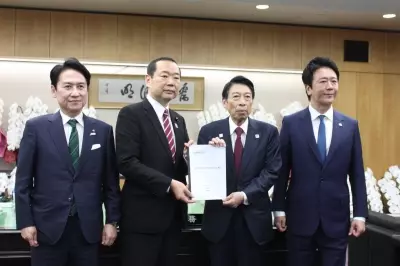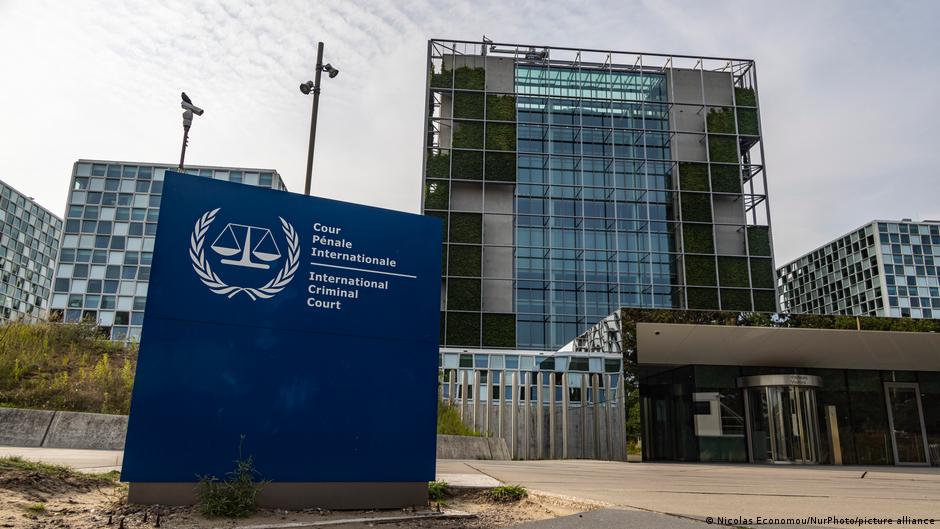
US Secretary of State Marco Rubio took aim at the International Criminal Court (ICC) on Tuesday, calling it "corrupt and fatally politicized" and claiming it has "maliciously abused its authority and exceeded its mandate." He announced sanctions against the ICC president, Tomoko Akane of Japan, and senior trial lawyer Abdoulaye Seye of Senegal. The sanctions include freezing of their US-held bank assets and largely cutting them off from the US financial system. The ICC has been holding individuals accountable for war crimes, genocide and crimes against humanity since 2002.
The court is based in The Hague, just like the International Court of Justice (ICJ), which is part of the United Nations and settles disputes between states. Unlike the ICJ, the ICC has 125 members, not all 193 UN member states. The US, Russia and China are among the countries that have not joined, along with several states in Asia and North Africa.
Rubio had recently threatened to dismantle the court "brick by brick." In a statement in July, the State Department outlined a number of measures Washington is considering as part of its campaign against the court. These include visa restrictions on ICC staff and tougher sanctions targeting the court and affiliated organizations. It also suggested increased scrutiny of countries "that refuse to reject the ICC's illegitimate authority" while continuing to receive US assistance.
The US has clashed with the ICC before. But legal experts around the world say Washington's latest escalation marks a significant shift. "What the US and Marco Rubio have now essentially done is make public something that has been going on for more than a year," Andreas Schüller, co-director of the International Crimes and Legal Accountability Program at the European Center for Constitutional and Human Rights (ECCHR) in Berlin, told DW in July.
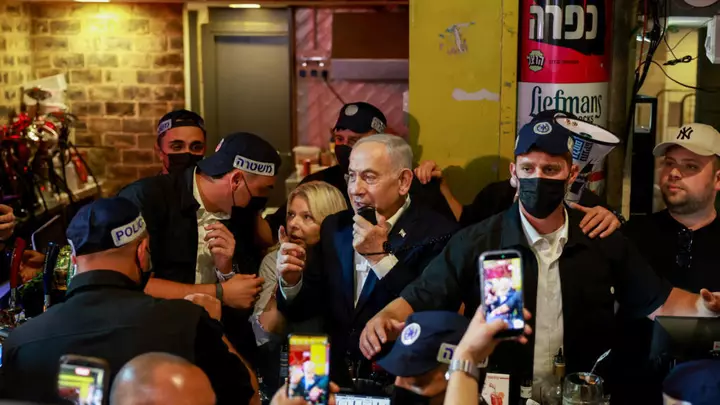
"The US has been using various forms of diplomatic pressure against other countries in an effort to change their positions, and in some cases their voting behavior, toward the ICC," he added. "The fact that it is now being declared a campaign shows that it is being pursued strategically, that it is broader in scope, and that other countries — including those that are not ICC members — are also being brought on board to help apply pressure." The US is not a member of the International Criminal Court, meaning crimes committed on US soil do not fall under its jurisdiction. But the ICC can prosecute alleged atrocities committed in member states — a principle that led, for example, to arrest warrants being issued for Russian President Vladimir Putin and Israeli Prime Minister Benjamin Netanyahu.
The ICC has its roots in the lessons of history. The Nuremberg trials after World War II, which put leading Nazi figures on trial, marked the birth of modern international criminal law. After war crimes tribunals were set up in the 1990s following the conflicts in the former Yugoslavia and the genocide in Rwanda, calls for a permanent court gained momentum.
Extract — continue reading at the source.