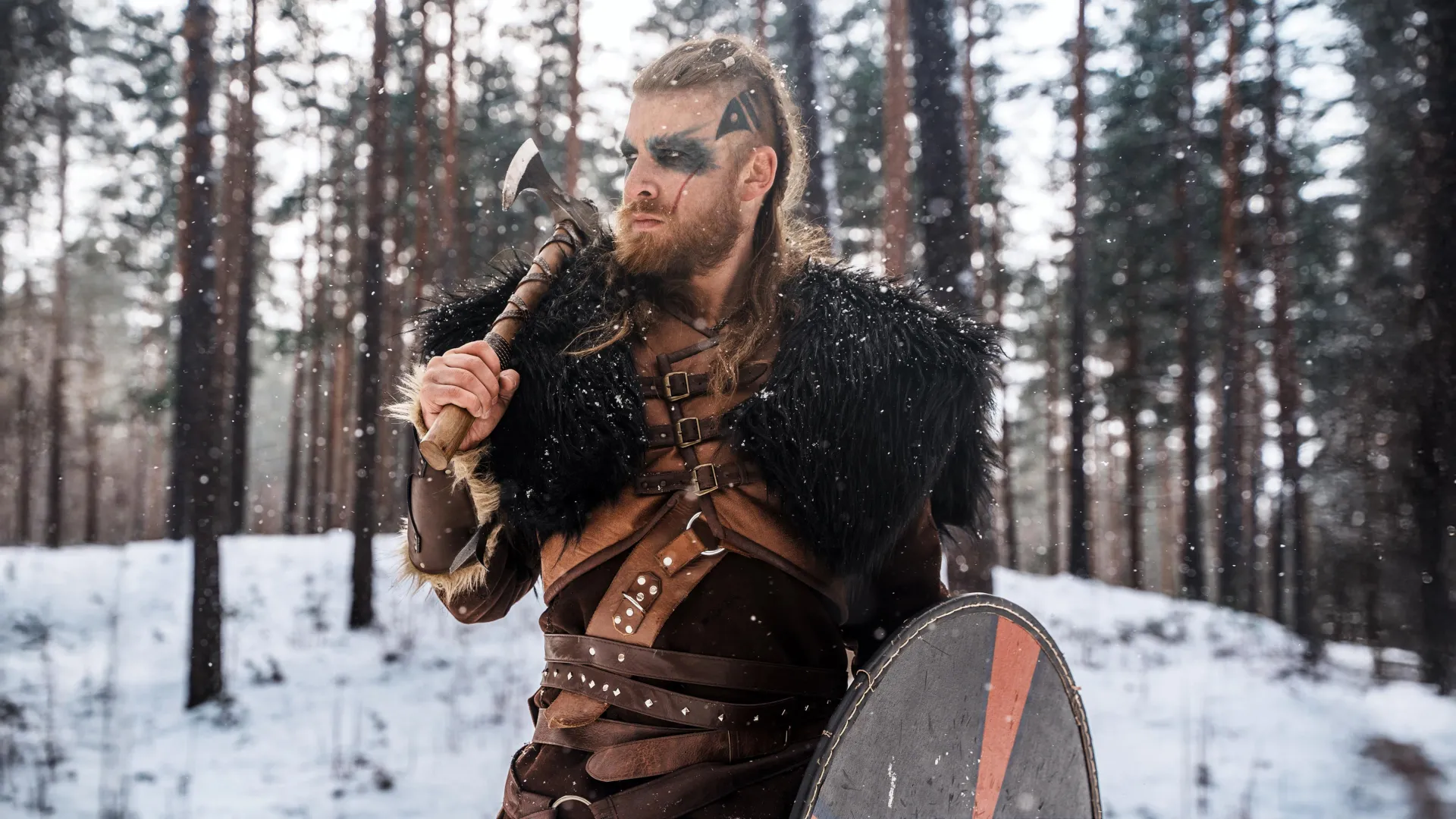
If you visit Scandinavia you are likely to find yourself at an exhibition about Vikings. There are many to choose from. The National History Museum in Denmark’s capital, Copenhagen, houses a major permanent exhibition on Viking.
The Swedish History Museum in Stockholm boasts the largest Viking Age exhibition in the world. And the new Norwegian Museum of the Viking Age in Oslo, set to open in 2027, promises to be the world’s leading Viking museum. In the meantime, a temporary exhibition displays highlights of Viking Age archaeological finds at the Museum of Cultural History.
Obviously, Scandinavian national museums expect that audiences, domestic and international, visit their museums to see objects from and hear stories about the Vikings. But there’s more to the national museums’ obsession with vikings than simply wanting to meet demand. National museums use history to help shape ideas about national identity and Vikings are often used to reflect current values and needs.
During the 1800s, when national projects were popular, the Viking Age became a key part of the construction of national identity in Scandinavia. Since then, the Vikings have become such well-known symbols that they are now recognized around the world. In the popular imagination, a Viking is tall, broad-shouldered man who wields a sword, and might have a modern haircut like a skin fade or lots of tattoos.
However, this picture is mostly a made up one. Experts at Scandinavian national museums know that Vikings were a diverse group, far from the all-male warrior myth. Yet the image of the male Viking warrior stubbornly lingers, drawing crowds while also haunting the galleries like a restless specter.
Across three of the exhibitions, the male Viking emerges as a warrior, a seafarer, and a merchant. He is also repeatedly depicted as a farmer, his days spent working the land. The agricultural portrayals add depth but the curation of exhibitions tends to foreground the more popular image than this more complex one One glimpse of this can be seen in the Swedish exhibition, which notes that many free men and women owned weapons, but only a few truly saw themselves as warriors.
Extract — continue reading at the source.