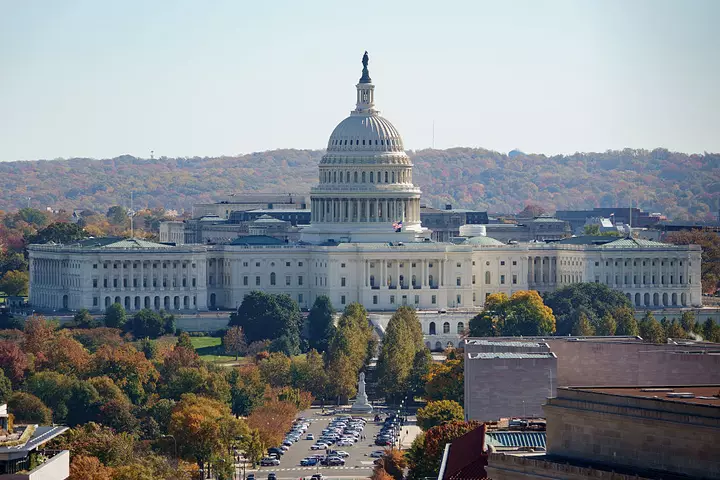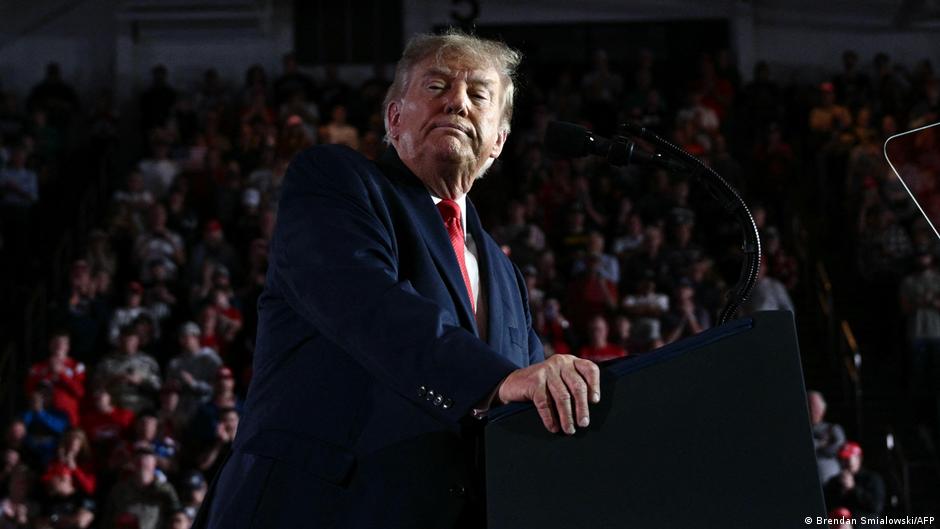
The Democrats not only made significant gains in Tuesday's midterm elections but also took control of both chambers of Congress. Here are five insights that can be drawn from this moment. The storming of the Capitol, attempts to change the rules of the electoral process, a spate of presidential executive orders to bypass Congress and many more examples sparked concerns that the US' vaunted democracy was being transformed into an authoritarian system under Donald Trump.
But the country's democratic institutions have proven more resilient than many had feared. Many voters were driven by their opposition to Trump's desire to rule with unfettered power. Instead they want to see country's institutional safeguards strengthened.
A post-election survey by news agency found that about 30% of voters thought the state of democracy was the country's biggest problem. About 70% felt that Congress was not doing enough to provide checks and balances on the president. This midterm result sends a clear signal that voters want stronger parliamentary oversight.
President Trump could of course continue trying to govern through executive orders, bypassing Congress. But Congress sets the budget. This means the Democrats, who now control Congress, can deny the president the funds he needs for his political initiatives.
They can also set up investigative committees, which puts the Trump government under considerable pressure to justify its actions. For a long time, the Democratic Party lacked compelling leadership, a unified approach and a clear answer as to how it intends to win votes. Tuesday's election proves the party is still a political force to be reckoned with.
Its gains in many Republican strongholds are nothing short of sensational. The party was even able to score victories in Texas and South Carolina. In Kansas, the Democrats won a Senate seat for the first time since 1932.
Extract — continue reading at the source.