A pregnant woman from Queensland, Australia, was left reeling after she was offered a medical termination at 20 weeks. After undergoing IVF with the help of a donor, Caitlin Christodoulou and her wife Zoe, both 23, were excited to welcome a baby boy. Caitlin told Newsweek that the advice from health professionals made their “hearts sick.” “Everything around us [went] silent and... it became so serious so quickly,” she said.
Being below the 1st percentile means the baby was smaller than more than 99 percent of babies at the same stage of pregnancy, prompting doctors to closely monitor their growth and wellbeing as it could signal problems with the placenta or underlying genetic conditions. Fetal growth restriction affects 10 percent of all pregnancies, according to the Cleveland Clinic, and is associated with increased perinatal risk. Research has found that growth restriction detected early in pregnancy is difficult to interpret.
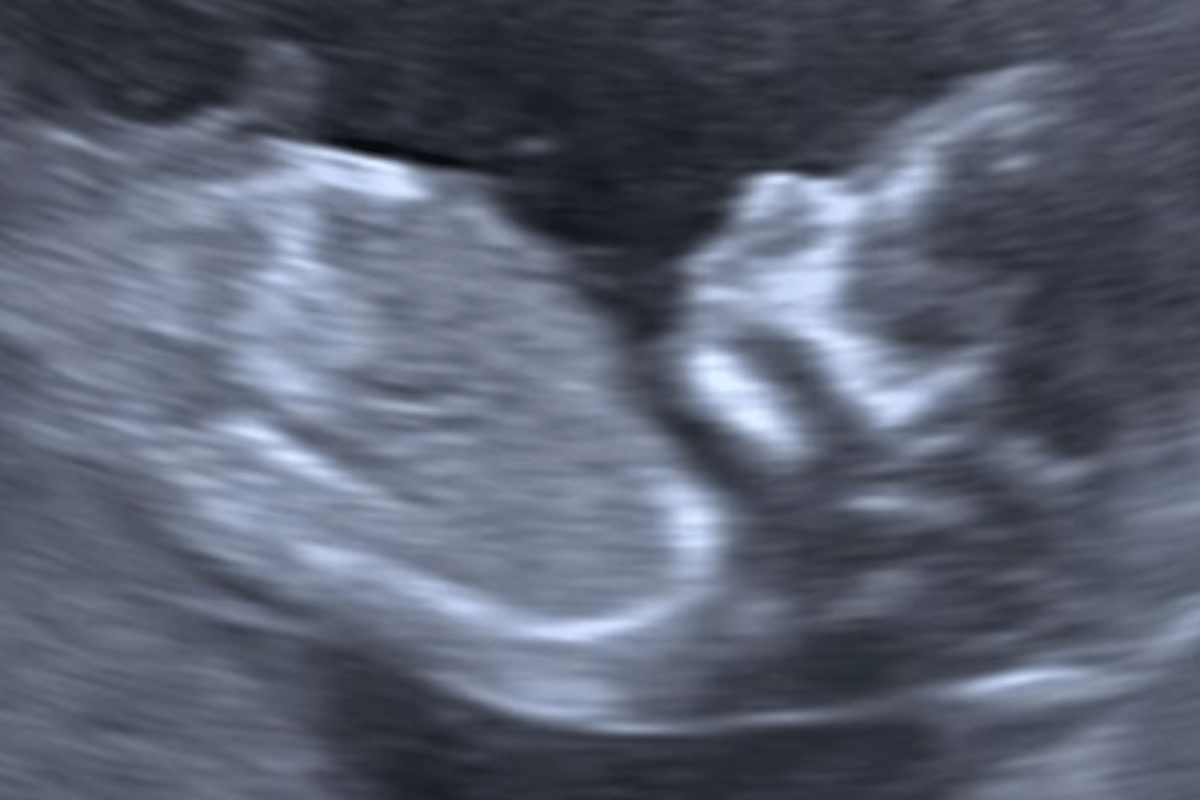
A 2026 study published in the American Journal of Obstetrics & Gynecology found some fetuses diagnosed at the 18‑ to 23‑week scans later showed normal growth, but their risk of problems like respiratory distress and preterm birth remained elevated. The research shows that early growth restriction could signal an underlying vulnerability, which is why clinicians recommend close monitoring throughout the pregnancy. For Caitlin and Zoe, they were left in complete shock after doctors couldn't rule out the possibility their baby had a genetic disorder.
"Going through IVF and having a donor baby, you get so much information given to you about genetics and family history, but at the same time, there’s so much unknown so we just had so many unanswered questions,” Caitlin said. According to them, scans and measurements had so far found no evidence of any genetic disorders or physical abnormalities in their unborn baby. Caitlin said doctors were basing their concerns largely on the baby's size and, given the uncertainty surrounding his condition, wanted to keep investigating in case an underlying issue became apparent after he was born.
Despite what doctors said, Etchoss didn’t need a feeding tube, oxygen or care in the neonatal intensive care unit (NICU) after he was born. He also didn’t have any genetic disorders and has reached all his developmental milestones. Now, nearly 7 months old, Etchoss is thriving, and his parents are enjoying motherhood.
For other parents who may have received similar messages from health professionals, Caitlin advised listening to that gut feeling. "At the end of the day, they are the ones that see the scary things on the daily and unfortunately, they do see some very unhappy endings for a lot of families,” Caitlin said.
Extract — continue reading at the source.