There’s no getting around it: graphics matter a great deal for video games. For many years, visual fidelity alone was one of the best reasons to invest in new consoles and better gaming PCs. There have always been games that didn’t compete for a position at the head of the pack, though.
Their developers recognized the importance of compelling gameplay loops, fiendish difficulty, multiplayer appeal, and innovation long before such priorities reliably drew crowds. As we look forward to the visual powerhouse that is Grand Theft Auto 6, here are 15 classic games that prove great graphics aren’t everything — and in many ways make the case that good gameplay is a more important factor for timelessness. N+ is the console version of N, a game originally developed as an Adobe Flash game, but Metanet Software partnered with other developers to produce a version for Xbox Live Arcade.
The game features extremely simple controls that allow players to run and leap around hundreds of stages in treacherous, mostly barren environments. It’s not a visual stunner, but the gameplay loop kept players coming back for dozens of hours. Final Fantasy games have tended to push visual boundaries, one after another.
Following on the heels of Final Fantasy 8, which featured realistic models for its memorable cast of characters, Final Fantasy 9 went in a different direction. Its chibi characters were expressive and the world beautiful, but in some respects it felt like a visual regression that Final Fantasy 10 rectified one year later. Even in a world with gorgeous stunners like Final Fantasy 16, this much older title remains a delight to play.
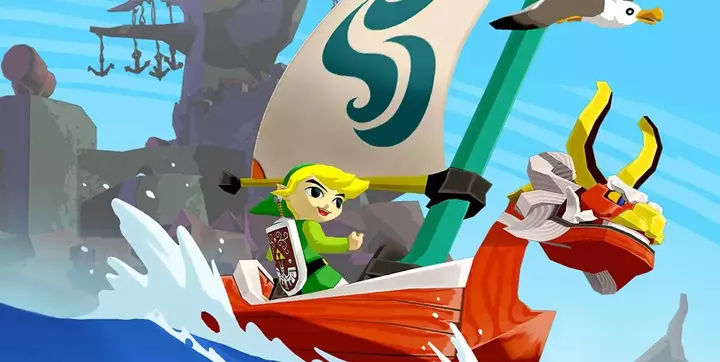
At a Spaceworld event, Nintendo wowed crowds with early footage of the next entry in its popular Zelda franchise. Link and Ganondorf looked much as they had in Ocarina of Time, but with more polygons. Then Nintendo went back to the drawing board.
The next time we saw what it was working on, Link had shrunk down to child size. The gritty design was gone, replaced by something more in line with the cartoon drawings of Link from various game instruction manuals. Many vocal players were certain the series had jumped the shark.
Extract — continue reading at the source.