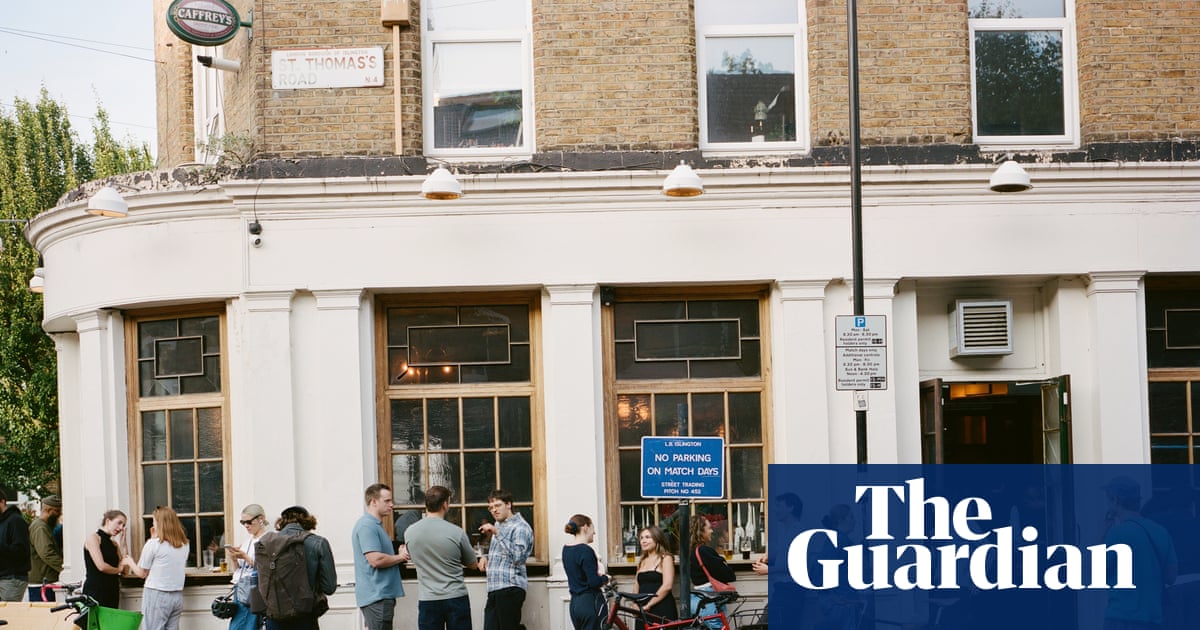
In the sweltering kitchen of the Plimsoll pub in north London, the head chef, Joshua Swinney, has a frozen tea towel wrapped around his neck to combat the heat. As temperatures exceeded 35C (95F) in the capital, workers who were not lucky enough to be in air-conditioned offices sweltered in the heat. To cope, Swinney said the pub tried to put more dishes on the menu that did not require ovens or stoves.
That is tricky, however, when it is most famed for its cheeseburger, the making of which entails standing over a grill. A campaign for a maximum working temperature, to bring England into line with other European countries, is gathering pace. Spain is the gold standard: the maximum working temperatures for sedentary work, such as office work, is 27C, while for light physical work it is 25C.
In Belgium, it is 29C for light physical work, 26C for a moderately heavy physical work, 22C for heavy physical work and 18C for very heavy physical work. Kenny Dinsdale, a construction worker, said there was a risk to life from working in extreme heat. I’m 65 years of age coming up this birthday, I’m still working in the industry.” He suggested construction should adopt more “Mediterranean-style hours” to avoid the heat of the day.
Bakers, with their large, hot ovens, often working in small unventilated spaces, were also struggling. Sarah Woolley, the chair of the Bakers, Food and Allied Workers’ Union, said: “As it heats up outside, an already hot workplace with ovens and provers is going to get hotter still.” Her union has been calling for a maximum working temperature for a decade. She said that rather than just putting regular fans in their bakeries, some employers had implemented extra measures, such as relaxing the uniform guidance without impacting food safety standards, providing cold water and offering additional breaks.
Some employers have provided isotonic drinks rather than just ice pops, reduced lines running, and instructed unnecessary equipment, like hot holds, to be turned off rather than adding to the heat.” It is difficult for essential workers, such as paramedics, to stop working in intense heat, but they are asking to be allowed to shed their sweltering uniforms when temperatures reach a certain level. An ambulance medical technician in Birmingham said: “Working in the heat has been awful. It’s also ridiculously busy when it’s hot.
We have one uniform, whether it’s -10C or 30C. You’re sweating even when you’re just driving. I could have cried during my last shift.
Extract — continue reading at the source.


