This article has been reviewed according to Science X's editorial process and policies. Editors have highlighted the following attributes while ensuring the content's credibility: Candida auris and Candida albicans are microscopic fungi that cause life-threatening human infections, killing almost a million people globally every year. The World Health Organization lists both species among the top four most concerning fungal pathogens in existence, and while relatively uncommon in Australia, growing outbreaks in Europe and the United States have forced restrictions and even closures of intensive care units.
New Monash University research, published in Nature Communications and Nature Microbiology, opens the door for therapeutic treatments and antifungal drug discovery by identifying the nutrients the fungi and immune cells use to battle each other. The Nature Communications study identifies a critical, naturally occurring amino acid called alanine that reverses the process these fungi use to defeat the immune system. When an immune cell "swallows" a fungal microbe to destroy it, the fungus fights back from the inside, triggering the host protein Ninjurin (NINJ1) to form large pores, causing the immune cell to "explode" and release the fungal cells to spread the infection.
By supplying a higher dose of alanine, researchers successfully blocked the protein, preventing the immune cells from bursting and thereby containing the fungal cells. First author Dr Harshini Weerasinghe, research fellow at the Monash Biomedicine Discovery Institute, said keeping the pathogen securely trapped in a cellular bottleneck would ensure it could be contained and targeted more effectively. "This gives us an option to treat the patient by strengthening their immune system, potentially in conjunction with antifungals that can eradicate it," Weerasinghe said.
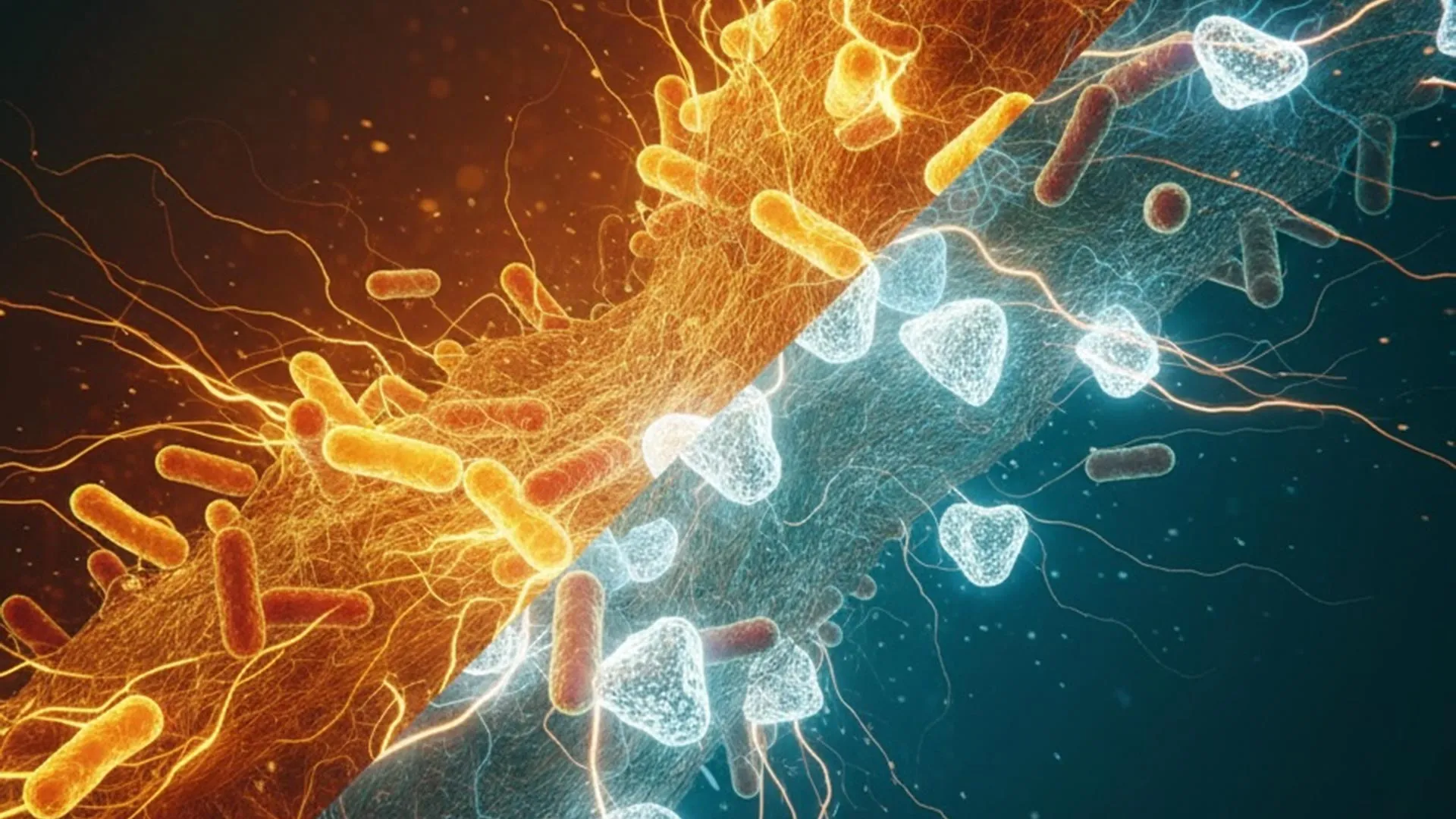
"Fungi are remarkably similar to humans at the cell biology level, so often the drugs that harm the fungi also harm the patient. This is a real problem for finding new effective treatments." "Finding a new way to contain the infection, literally inside the immune cells, would be a game-changer." The Nature Microbiology study discovered the shape-shifting ability of the mysterious Candida auris, which can adapt to stick to human tissue and remain invisible to human immune cells in different parts of the body. In the bloodstream, it consumes glucose and stays in a small, round shape that immune cells do not recognize as a threat.
When Candida auris finds different sugars that are normally present on skin, it becomes long and sticky, allowing it to attach and persist under these conditions. First author Irma Tedja, Ph.D. candidate at the Monash Biomedicine Discovery Institute, said this understanding is critical to finding treatment options. "Because it is so new, little was known about how this fungus thrives on human skin and evades detection," Tedja said.
"Our discovery shows Candida auris acts as a clever environmental sensor, monitoring the types of sugars available in human tissue and changing its cell shape and properties to stick to skin while evading immune systems in conditions found in the bloodstream." "Understanding this nutritional trigger opens the door to finding ways in which we could prevent the fungus from hiding or anchoring to the body." Discover the latest in science, tech, and space with over 100,000 subscribers who rely on Phys.org for daily insights. d research that matter—daily or weekly. Senior author on both papers, Professor Ana Traven from the Monash Biomedicine Discovery Institute, said drastic environmental and economic shifts in recent years have made the work of the world's few fungal experts all the more important. "Fungi cause deadly infections and are being supported by changing climate conditions," Traven said.
Extract — continue reading at the source.