With Daylight Saving Time ending just two days before the midterm elections, some may assume the extra hour of sleep could give voters more energy and time to cast a ballot. But experts say the transition can affect people in different ways, making its effect on turnout difficult to predict. Clocks are set to fall back an hour overnight on Sunday, bringing earlier sunsets and darker evenings.
The scheduled time change happens only two days before the midterm elections, the results of which could flip control of the Senate and House. While candidates continue to debate issues such as the economy, inflation and the U.S.'s involvement in the Iran war, experts say a nonpolitical factor could also play a role in turnout: the end of Daylight Saving Time. Eastern time, when clocks will fall back to 1 a.m.
The only two states where clocks won't change are Hawaii and most of Arizona, which do not observe Daylight Saving Time. Arizona's Navajo Nation is an exception and does observe DST. Voters residing in states with the earliest sunsets will likely be affected the most.
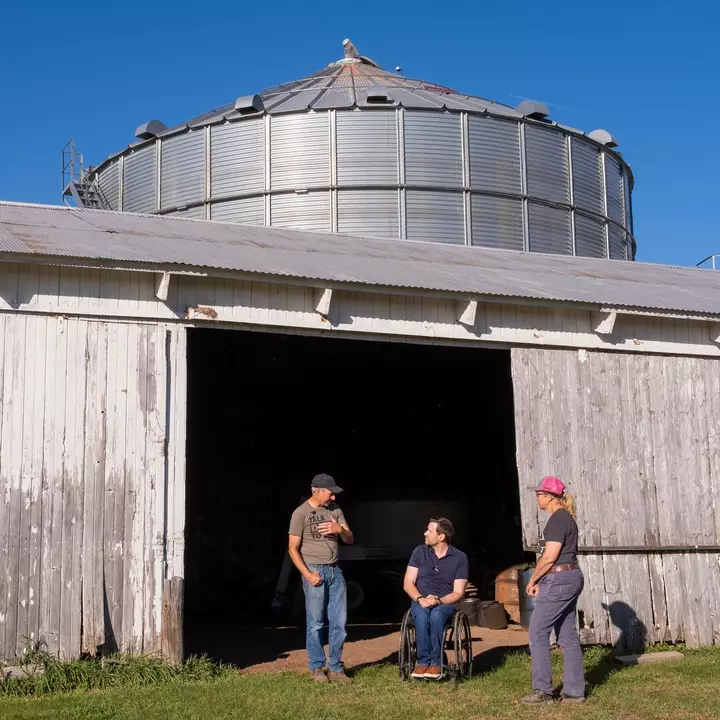
For someone already struggling to get to the polls, that can make the difference between intending to vote and actually voting.” He stressed that infrequent voters are harmed the most by the time change. States that could see the biggest impact on their voter bases include New Hampshire and Maine, where sunset occurs before 5 p.m. Rural communities, where voters may have a longer commute to the polls and not as many early voting options, are also particularly vulnerable to the time change.
Rural areas make up an influential voter base in several tight Senate races this year, including the Iowa Senate race between Republican Ashley Hinson and Democrat Josh Turek and the Ohio Senate race between Republican Jon Husted and Democrat Sherrod Brown, as well as Ohio’s gubernatorial race between Republican Vivek Ramaswamy and Democrat Amy Acton. But our study identifies conditions that make voting more vulnerable to the clock change; it doesn’t tell us which particular races will be most affected this November.” In some of the tightest races this election cycle, a few hundred votes could determine who wins or loses. Seasonal time changes disrupt sleep patterns, which can affect alertness, concentration and decision-making.
The impacts from the change can last as long as seven days, American Academy of Sleep Medicine spokesperson Dr. Fariha Abbasi-Feinberg told Newsweek, meaning that voters might still be feeling the effects of Sunday's time change when they vote on Tuesday. For decades, the existence of Daylight Saving Time has been a debate topic among politicians, with some supportive of keeping the twice-a-year time change, whereas others advocate for eliminating it.
Extract — continue reading at the source.