Electric motorcycles are bringing Africa’s energy transition into Kenya’s Maasai Mara game reserve, where rangers are using solar-charged bikes to patrol wildlife areas more quietly, and to pursue suspected poachers MAASAI MARA, Kenya -- Joshua Kijape eases his motorcycle through the tall grass, listening for movement in the bush. There is no engine rumble, no exhaust and little warning for anything ahead. That is exactly how the Mara-Siana ranger, attached to Entumoto Safari Camp in Kenya’s Maasai Mara game reserve, wants it.
For the past year, Kijape has patrolled the Mara on an electric motorcycle, using its near-silent motor to approach wildlife and, when necessary, poachers. In the Maasai Mara, conservation operators are testing whether electric mobility can reduce fuel use and maintenance costs while limiting noise in one of Africa’s most important ecosystems. The move comes during one of the Mara’s busiest periods, when the annual wildebeest migration draws huge numbers of animals, tourists and conservation teams onto the grasslands.
Jason Knauf, CEO of the BBC program The Earthshot Prize, said the development shows how the energy transition is reaching places far beyond conventional urban transport. For ROAM, the Nairobi-based electric motorcycle company behind Kijape’s bike, the Mara is an engineering test of whether an e-bike built in Kenya can handle rough tracks, long patrols and remote conditions. ROAM’s e-bike can travel about 160 kilometers (100 miles) between charges, but longer patrols will require charging stations along the route.
Because the bikes can plug into a standard 10-amp socket, Lovstrom said, stations can be built around relatively small solar and battery systems. The market also extends beyond conservation. Communities near wildlife areas often rely on motorcycles for transport, especially where roads are poor and alternatives are limited.
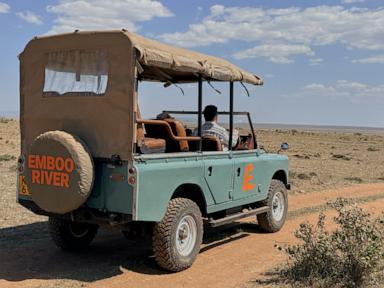
Emboo River Camp in the Maasai Mara has been using electric safari vehicles since 2019. The camp’s co-founder and co-director, Loic Amado, said the vehicles are charged exclusively with solar power. Amado said it now supports 25 lodges across East Africa with solar power, wastewater treatment, and electric-vehicle conversions.
We tried to prove the model there.” Emboo camp has expanded its EV fleet and more than tripled its solar energy system to meet demand. Kenya has only a small number of electric safari vehicles in operation, concentrated in the Mara, and a handful of other conservation areas, and the concept is attracting larger safari operators. Amado said Asilia, which runs about 20 lodges across East Africa, now operates its electric fleet.
Extract — continue reading at the source.