The Aztec West industrial estate in Bristol was opened by Margaret Thatcher in December 1989. One hundred and sixty acres of breeze block and mirrored glass, it is home to about 7,000 employees and 100 companies, including EDF, EE, HSBC, Co-op Legal and Spandex. It has its own gym, spa, church and morgue.
Step inside Unit 1410, though, and bucolic England is magically restored. A farm complete with sheep. Rolling fields in autumn colours.
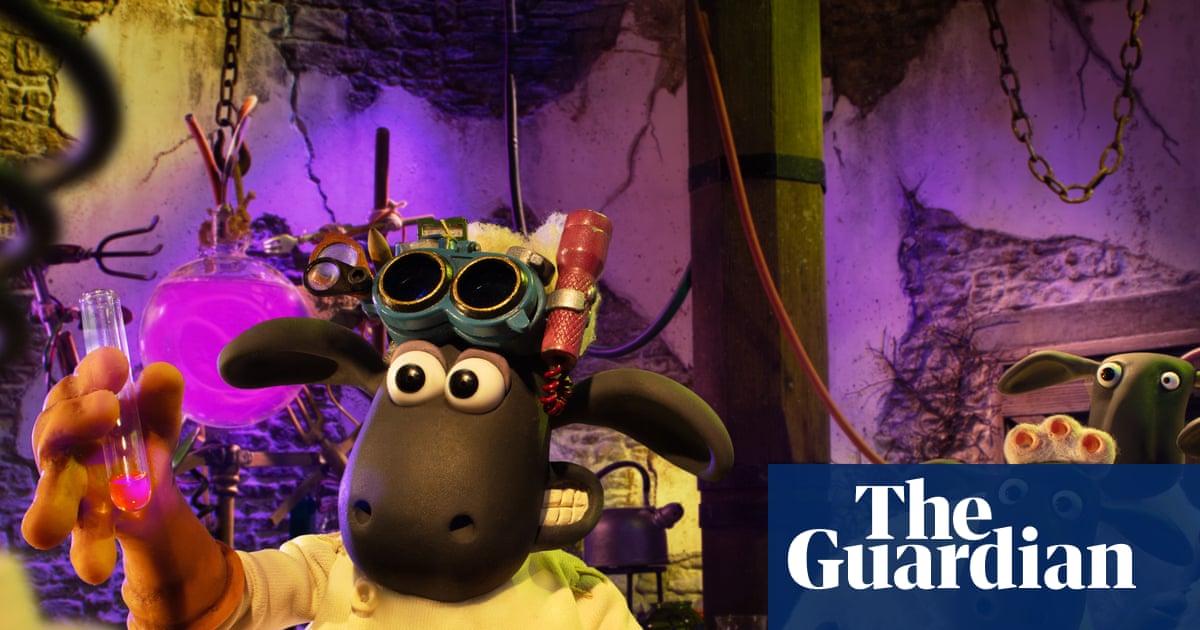
A small parish town boasting post office, war memorial, chippy. But before you hit up Rightmove, I should say: Mossingham is only two feet tall. It’s January 2026 and Aardman animations are about halfway through production on Shaun the Sheep: The Beast of Mossy Bottom.
The 300-odd staff in this shed are full speed ahead – which means each of the 30 animators is rattling out almost two seconds of footage a day. They work across 40 sets, each accessed through black floor-length curtains, like a weird A&E. On trolleys lie palette knives and small suitcases containing body parts – 20 mouths that can be inserted into Bitzer the dog’s head, for instance – as well as character “bibles” with guidance on optimum ear angles and kosher nostril widths.
The atmosphere is hushed but not silent. The process is to photograph 24 frames per second, infinitesimally manipulating the models between snaps. When they made the first Shaun the Sheep movie, back in 2015, Aardman had to decide whether to go full later-Tom-and-Jerry and have them talk, or fall back on decades of silent movie heritage.
I’m on a tour of the studios with a group of European journalists. We observe the puppet construction process, from skeleton to wardrobe. There’s a new character in this film: a female vet, the love interest of the hapless farmer.
Extract — continue reading at the source.


