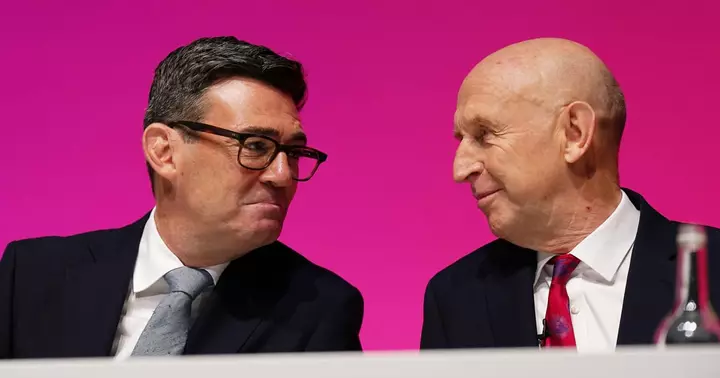
John Healey has backed away from cutting the cost of welfare this parliament, amid dire warnings his first budget could lead to brutal spending cuts because of a £28bn shortfall in public finances. Experts rounded on Healey’s steady-as-she-goes budget on Thursday, with the Institute for Fiscal Studies saying he had left himself a mountain to climb by ducking big tax and spending decisions. In a damning analysis, the IFS said Healey would need to have set aside an additional £28bn a year, to offset the impact of inflation on future spending plans and hit the target of spending 3% of GDP in defence by 2030.
Instead Helen Miller, the IFS director, said Healey had opened the way to “a spending review that looks pretty brutal for some departments” – including real-term budget cuts. They don’t look to me like plans that this government would want to deliver,” she said, adding that meant Healey could face, “another season of damaging speculation about tax rises”. The welfare bill will not be part of the spending review, which focuses on departmental budgets.
But in a bid to underline his determination to balance the books, the chancellor pointed to plans for reform, telling BBC Radio 4’s Today: “We have to bring the benefits bill down.” He had earlier appeared to say cuts would be made in this parliament, when asked if there would be a reduction in the bill before the next election. There will be a reduction in the benefits bill,” said Healey. Milburn is expected to recommend additional spending upfront, aimed at bringing down costs over the longer term by helping more young people into employment.
The Office for Budget Responsibility has said total welfare spending will grow from £334bn last year to £431bn by 2030 – with about half of that being spent on pensioners and a quarter on sickness and disability benefits. The overall forecast spending has risen by £8bn since March. With a tough global economic backdrop, Healey has said the single biggest driver of better prospects for the UK would be for an end to the Iran and Ukraine wars.
But in his interviews, Healey appeared to take a more cautious view on the potential for growth from rejoining Europe or the single market than the prime minister. Asked by LBC if growth would be stronger if the UK were in the EU or the single market, Healey replied: “Well, I don’t actually accept that. Brexit has certainly hit our level of growth.
It’s certainly hit our level of trade. We’re out of the European Union. The challenge for me now is how do we make the best of an economy which this year has proved remarkably resilient.” Asked later by Channel 4 if he, like Andy Burnham, hoped for the UK to reenter the bloc in his lifetime, Healey said: “I’m older than Andy Burnham.
Extract — continue reading at the source.