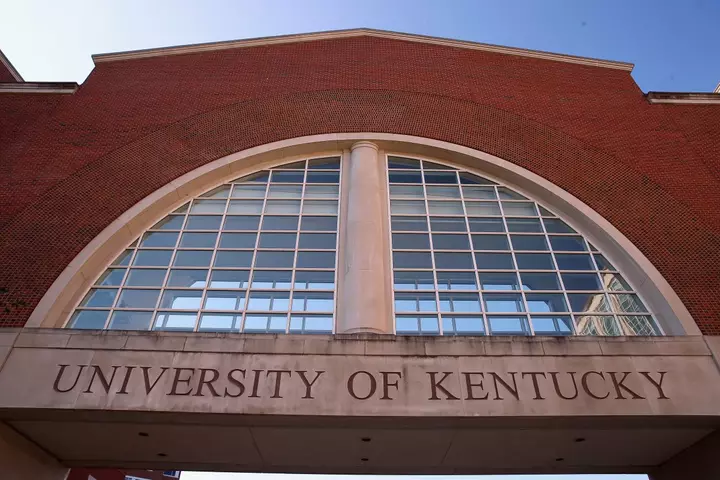
A University of Kentucky employee has been granted a religious accommodation allowing him to avoid personally using artificial intelligence at work after arguing that the technology conflicts with his humanist beliefs. David Durman, a 45-year-old research administrator whose work includes editing grant applications and compliance, sought the accommodation after the university began encouraging employees to incorporate AI into their workflows. But Durman had not actually been required to use AI.
He told The Chronicle of Higher Education that he sought the accommodation preemptively because he was concerned its use could eventually become mandatory. The university approved his request on September 25 after determining the accommodation would not impose an undue burden on his department, according to the American Humanist Association (AHA), which helped him prepare it. The group says Durman's case is the first known workplace AI accommodation granted to a humanist.
Durman is not the first employee known to have obtained a religious accommodation from using AI. Erin Maus, a Unitarian Universalist software engineer in North Carolina, received accommodation from her employer in May after raising religious, environmental and ethical objections to the technology, according to Business Insider, which said it reviewed an email confirming the accommodation. Durman's case, however, could provide another test of how existing workplace religious protections apply as employers embrace generative AI and some workers raise moral or religious objections to using it.
Newsweek contacted Durman, the University of Kentucky and AHA by email for further comment. Durman has been a humanist for about 30 years and says his beliefs emphasize human well-being, flourishing and an individual's responsibility for their own decisions. His objection is focused particularly on generative AI and large language models, rather than every piece of technology that could be described as artificial intelligence.
Durman told The Chronicle that he sees a distinction between tools such as autocorrect and generative AI because the latter can involve "the offloading of cognitive ability" and decision-making. In a statement released by the AHA, Durman also cited AI's effects on employment, the environment and human creativity. "As a Humanist, promoting the wellbeing and flourishing of humanity is paramount to how I live my life, and I believe that our capacity to think and reason for ourselves is worth protecting," he said.
Durman approached the AHA for help with a religious accommodation request in late August. He then met with the university's Office of Equal Opportunity in mid-September before his request was approved on September 25, according to the group. He told The Chronicle that he had expected gaining approval to involve a bureaucratic process but that it took about a month and was "very straightforward." The accommodation does not mean Durman can avoid all contact with AI.
Extract — continue reading at the source.