The Trump administration has taken a major step toward repealing one of the most significant federal forest conservation policies in the United States, arguing the decades-old rule has hindered efforts to reduce wildfire risk and manage national forests. Agriculture Secretary Brooke Rollins announced on August 18 that the U.S. Forest Service has filed a proposed rule to rescind the 2001 Roadless Area Conservation Rule, which currently applies to millions of acres of National Forest System land.
The administration said removing the rule would give local forest managers greater flexibility to address wildfire hazards, insect outbreaks and forest health concerns. Environmental groups, however, warn the move could open some of the country's most intact public lands to increased road construction and logging. Adopted in the final days of the Clinton administration, the Roadless Area Conservation Rule generally prohibits road construction and road reconstruction within designated "inventoried roadless areas" on federal forest lands and places limits on timber harvesting activities.
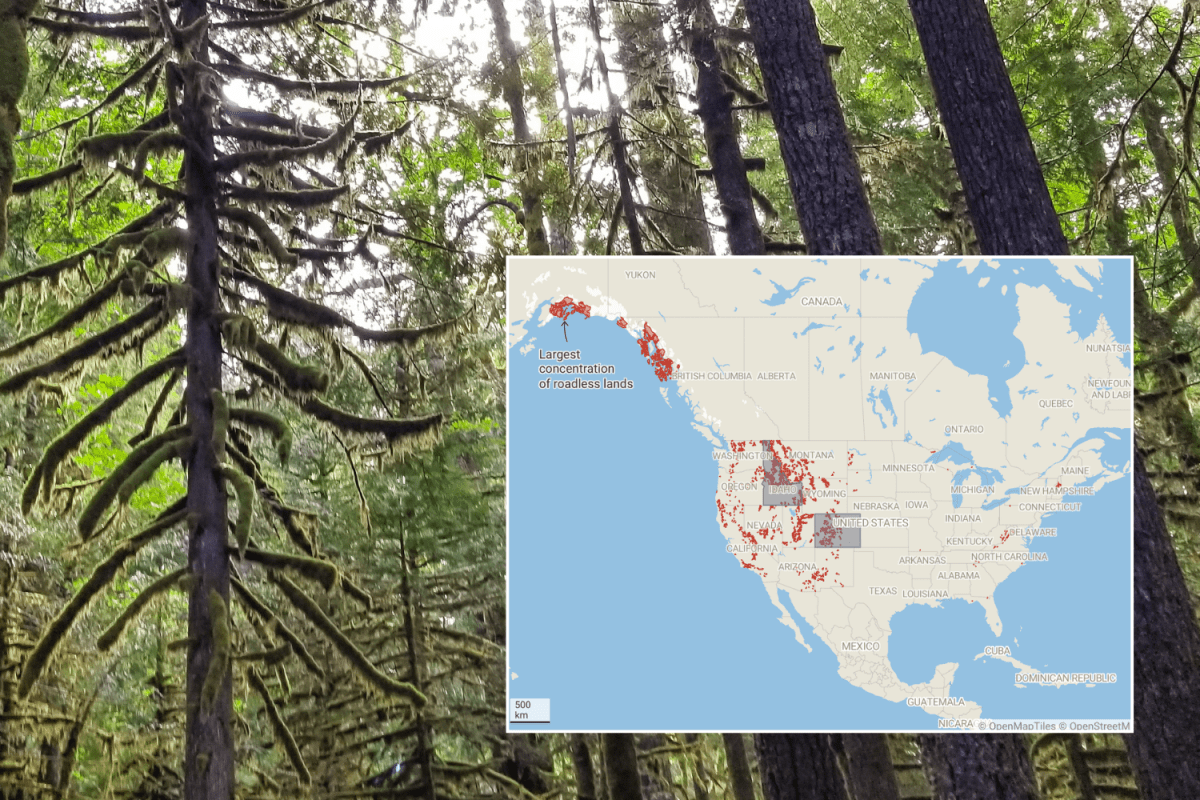
The rule was designed to preserve large undeveloped tracts of national forests while protecting wildlife habitat, watersheds and recreational opportunities. The rule originally covered nearly 60 million acres of national forests and grasslands across the United States. Today, after separate state-specific roadless frameworks were adopted in Idaho and Colorado, the national rule applies to roughly 44 million to 45 million acres.
Department of Agriculture (USDA), nearly a quarter of the areas currently covered by the rule are located near existing roads, while more than 40 percent face high or very high wildfire hazard potential. Forest Service Chief Tom Schultz said only about 5 percent of inventoried roadless areas have received hazardous-fuels reduction treatments since 2014. "At the same time, more than a quarter of these lands—11.3 million acres—are already near existing roads," he said.
"Acting now, thoughtfully and decisively, is the best way to restore the balance, reduce wildfire risk, and secure the long-term health of our forests and neighboring communities.” "Our forests can't afford another decade of inaction," Rollins said in announcing the proposal, arguing that restrictions have prevented managers from carrying out projects aimed at improving forest health and reducing wildfire danger. The effects of the proposal would be concentrated overwhelmingly in the American West. The Forest Service said more than 95 percent of the acreage currently governed by the 2001 Roadless Rule is located in 10 states: Alaska, Arizona, California, Montana, Nevada, New Mexico, Oregon, Utah, Washington and Wyoming.
Idaho and Colorado are not included because both states operate under separate roadless regulations that supersede the national rule. Those most likely to be affected include communities near national forests, timber and forest-products industries, outdoor recreation users, conservation groups and federal land managers. The proposed repeal would not automatically authorize new roads, timber harvests or development projects.
Extract — continue reading at the source.