London society buzzed with one name that spring: Miss Edgeworth. The Regency era was in full swing, and the upper class had assembled for the season in a pastel whirl of lace and silk, complete with calling cards and exclusive dinner parties. The Napoleonic Wars raged across continental Europe, but that did not stop society life from carrying on in all its dazzling elegance.
George III sat on the throne; Queen Charlotte presided over her court. A burst of interest in antiquity had inspired the stylish ladies of Mayfair and Marylebone to dress themselves like modern Cleopatras and Helens, with high waists and flowing skirts. Fashionable gatherings were peppered with the prose of neoclassical writers and Romantic poets.
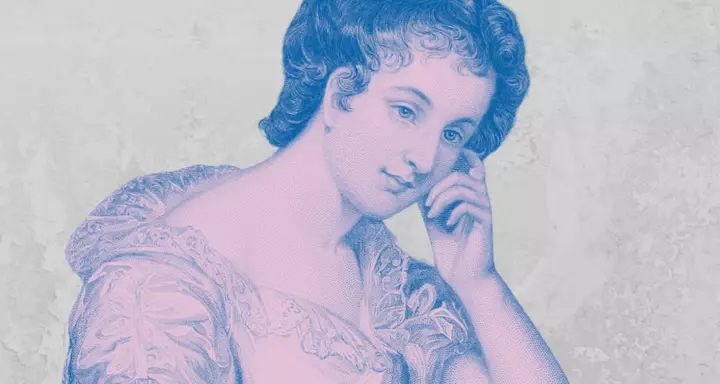
Yet amid all the decadent breakfasts and sparkling balls, one socialite found herself on a deeper mission as the days grew longer and a warm summer set in. Jane Haldimand Marcet was determined to befriend Maria Edgeworth, the woman deemed the “lion” of the season by the poet Lord Byron. Maria was the eldest daughter of a family with English Protestant roots who owned and lived on a sprawling ancestral property in central Ireland.
Her stories depicted Irish estates, London courtships, and heroes who ranged from dashing to bumbling. They were frequently instant bestsellers, books that managed to be at once so smart and so popular that they were helping to make the novel a more respectable literary format. (Jane Austen, much less feted than Maria in those days, would in 1814 write to her niece that she had made up her mind “to like no Novels really, but Miss Edgeworth’s, Yours & my own.”) Already, whispered gossip had begun to call into question whether Maria was truly the author of her works. Surely a mere woman could not produce such tales.
Maria Edgeworth was quietly tucking lessons on the brand-new field of political economy into her fiction and stories for children. In the process, she was educating an empire. That’s what Jane Marcet found intriguing about Maria’s fiction: She was hiding messages just below the surface.
Readers were coming to Edgeworth books for dry quips, rollicking plots, and haphazard love stories, yet they were leaving them with an understanding of tenant-landlord relationships and the benefits of educating workers. The hostess was one among many upper-class Londoners eager to glimpse the literary celebrity that season. Maria was usually reclusive.
Extract — continue reading at the source.