Neuroinflammation is associated with depression and anxiety risk, both of which demonstrate a bilateral relationship with cardiometabolic disorders. Systemic inflammation was also commonly described in patients with cardiometabolic disorders. It is, thus, unclear whether pro-inflammatory cytokines might statistically mediate the relationship between depression, anxiety, and cardiometabolic disorders, particularly in advanced ages.
The multiethnic ≥ 50-year-old study population is a subset of the Health and Aging Brain Study: Health Disparities (HABS-HD). Adjusted logistic and linear regression models were applied to assess associations. Non-linearity was evaluated using restricted cubic splines.
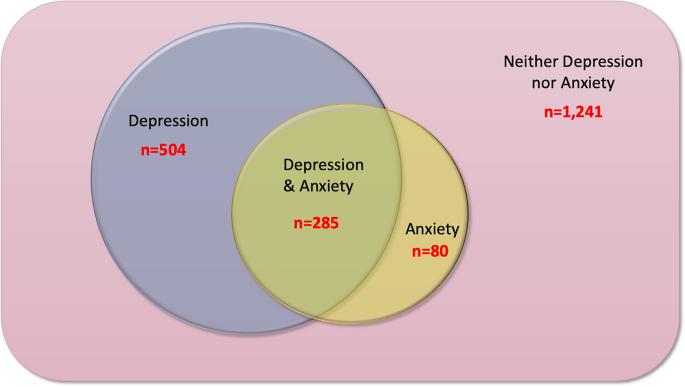
Statistical mediation analysis was used to determine the intermediate role of inflammation (Tumor Necrosis Factor-alpha (TNF-alpha) and Interleukin-6 (IL-6)). Models were corrected for multiple testing using the False Discovery Rate (FDR)-method. In the 2,110 included cases, depression and/or anxiety were significantly associated with 58% higher odds of cardiovascular diseases (CVD) (OR = 1.58 [95% CI: 1.13–2.20]), 51% of type 2 diabetes (T2DM) (OR = 1.51 [95% CI: 1.22–1.87]), 22% of dyslipidemia (OR = 1.22 [95% CI: 1.01–1.49]), 28% of hypertension (OR = 1.28 [95% CI: 1.05–1.56]), and 40% of obesity (OR = 1.40 [95% CI: 1.17–1.68]).
After adjusting for multiple covariates and multiple testing, only IL-6 showed a significant mediating role in the association of depression and/or anxiety with CVD (10%, p-valueFDR = 0.030), T2DM (10%, p-valueFDR = 0.027), hypertension (12%, p-valueFDR = 0.027), and obesity (20%, p-valueFDR = 0.027). The results remained statistically significant after additionally adjusting for the use of anti-inflammatory medication. Depression, anxiety, and higher odds of major cardiometabolic disorders were significantly associated, and IL-6 statistically mediated parts of these associations.
As this study was based on self-disclosed diagnoses, future clinical studies are needed to replicate the findings and specifically cluster high-risk profiles. The cross-sectional design of the study presents a major limitation and no causal effects can be concluded from current results. Depression and anxiety are the most prevalent mental health disorders worldwide and have a high impact on the quality of life of affected persons1.
They are also associated with higher morbidity and mortality rates across different age groups1. Several risk factors are involved in their pathophysiology and evolution. Childhood adversities2,3, chronic emotional stress4, traumatic events5, and predisposing mental illnesses, be of psychiatric6, neurodevelopmental7, or neurological8,9 nature, might all present favorable grounds for developing a depressive or anxiety disorder.
Extract — continue reading at the source.


