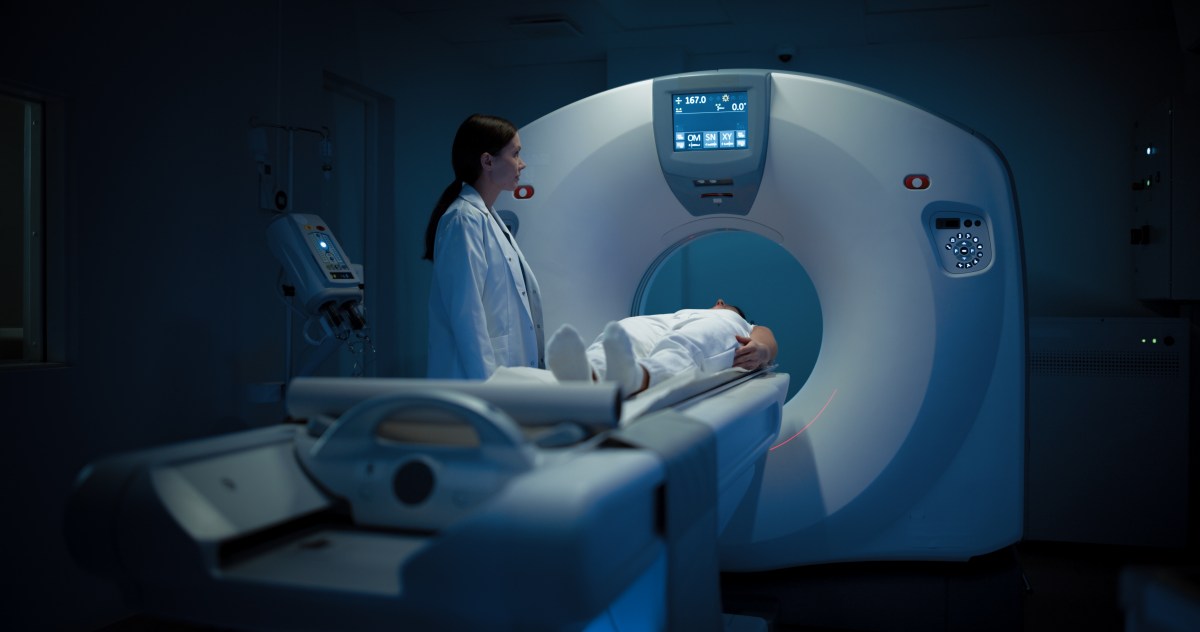
Medicare pays hospital-owned clinics up to 670 percent more than independent physician offices for the exact same care. In early July, the Department of Health and Human Services (HHS) proposed ending that markup for common imaging services without contrast, including X-rays, MRIs and ultrasounds, by paying certain hospital-owned clinics the same rates as independent physician offices. The reform would lower costs for America’s seniors while saving beneficiaries and taxpayers $260 million in 2027 and $7.2 billion over the next 10 years.
Seniors and taxpayers should cheer for this proposal and demand Washington go even further. Under Medicare’s current rules, the same medical service can cost dramatically more simply because it is provided in a hospital-owned clinic. In that setting, Medicare sends two payments: a payment to the doctor and a facility fee to the hospital that owns the practice.
As a result, Medicare can pay hospital-owned facilities 43 percent to 670 percent more than independent practices for identical services. Seniors pay for this markup directly, as Medicare beneficiaries pay a 20 percent coinsurance for outpatient care. In 2023, for example, an epidural injection would cost a senior $148.17 in coinsurance at a hospital-owned clinic, compared with just $51.17 at a freestanding physician's office.
Medicare's payment disparity also gives hospital systems a powerful incentive to buy up independent physician practices, relabel them as hospital outpatient departments and bill the same care at the higher rate. In fact, we’ve seen from 2012 to 2024 the share of physicians working in hospital-owned practices climb from 23.4 percent to 34.5 percent. Each acquisition means higher prices, fewer independent doctors and less competition.
In 2024, 7.4 million Medicare beneficiaries spent more than one-tenth of their per capita income on Part B premiums. Medicare's trustees project annual Part B premiums will climb 77.7 percent, from $2,434 to $4,327, between 2026 and 2035. Washington cannot afford to keep overpaying hospitals for care that costs a fraction of the price down the street.
Fortunately, Congress already gave the executive branch a tool to fight back. When lawmakers created Medicare's outpatient payment system in 1997, they directed the secretary of HHS to develop a method for controlling unnecessary increases in the volume of outpatient hospital services paid. In both of his terms, President Donald Trump leveraged this authority on behalf of patients.
Extract — continue reading at the source.