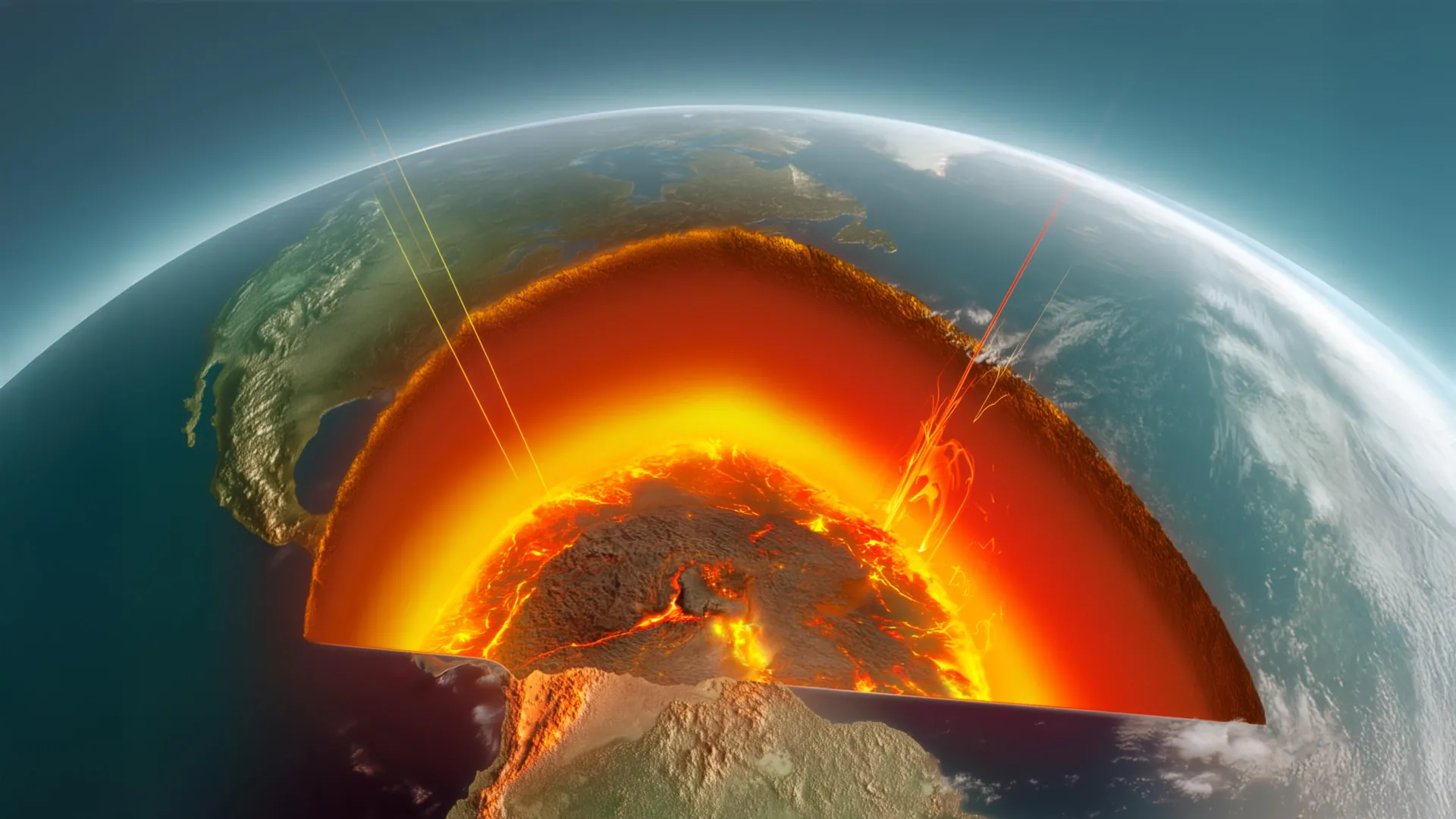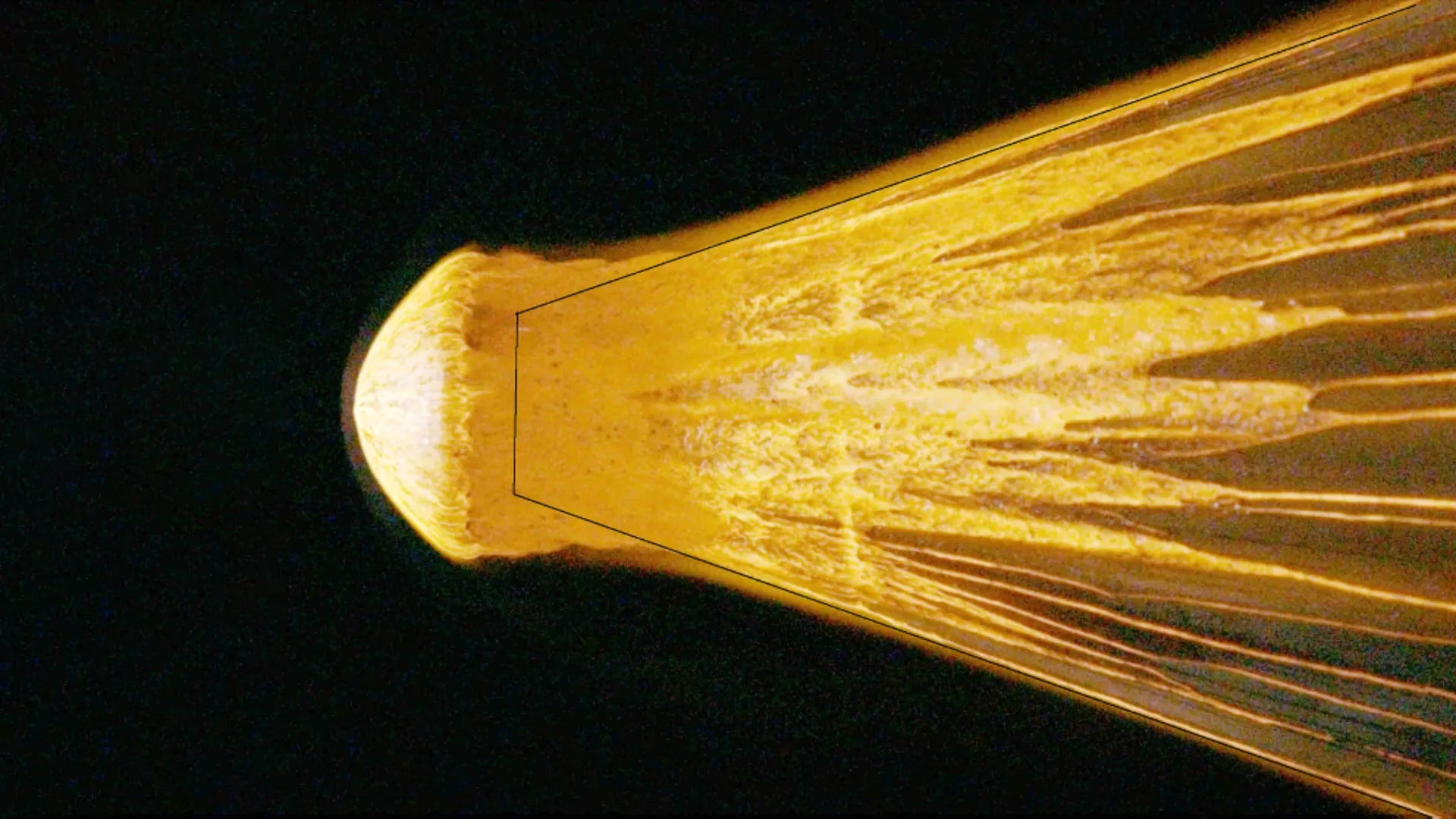
Scientists have gained a clearer understanding of what happens when rocks from space plunge into Earth's atmosphere and survive the journey to the ground. After examining video recordings and photographs of 75 meteorite falls, researchers identified seven stages that describe how these objects transform into meteorites. Their analysis reveals that melting and breaking apart play a much greater role than previously believed in determining how much material a rock loses, how quickly it slows down, and where its fragments eventually land.
The findings were published in the journal Meteoritics & Planetary Science. "We used to think that solid rocks would evaporate from the enormous heat and brilliant light generated in the air collision," said meteor astronomer and lead author Dr. Peter Jenniskens of the SETI Institute and NASA Ames Research Center.
"We found instead that first melting and then fragmentation controls how a rock loses mass." The researchers determined that incoming space rocks pass through seven distinct phases as they travel through the atmosphere. Different physical processes dominate each phase, influencing the rock's appearance, behavior, and eventual fate. How Space Rocks Become Bright Meteor Fireballs The journey begins in Phase 1, high above Earth, where the atmosphere becomes dense enough for the incoming rock to generate a shock wave ahead of it.
As the rock collides with air molecules, both its surface and the surrounding gas heat up and begin to glow. This produces the streak of light commonly known as a meteor or "shooting star." During Phase 2, the meteor travels into increasingly dense air, causing its brightness to intensify. Some meteors also display repeating changes in brightness, which can reveal how quickly they are spinning.
Among the fastest rotating objects examined, a complete rotation took between 0.5 and 5 seconds. One of the documented meteorite falls investigated in this study. Fireball produced by asteroid 2023 CX1 over Normandy, France, on February 13, 2023.
Meteorites known as Saint-Pierre-le-Viger reached the ground that day and were subsequently recovered. . de Reijke. By Phase 3, the meteor has become much brighter, developing into a fireball. At this point, melting becomes the primary process responsible for removing material from the rock.
Extract — continue reading at the source.