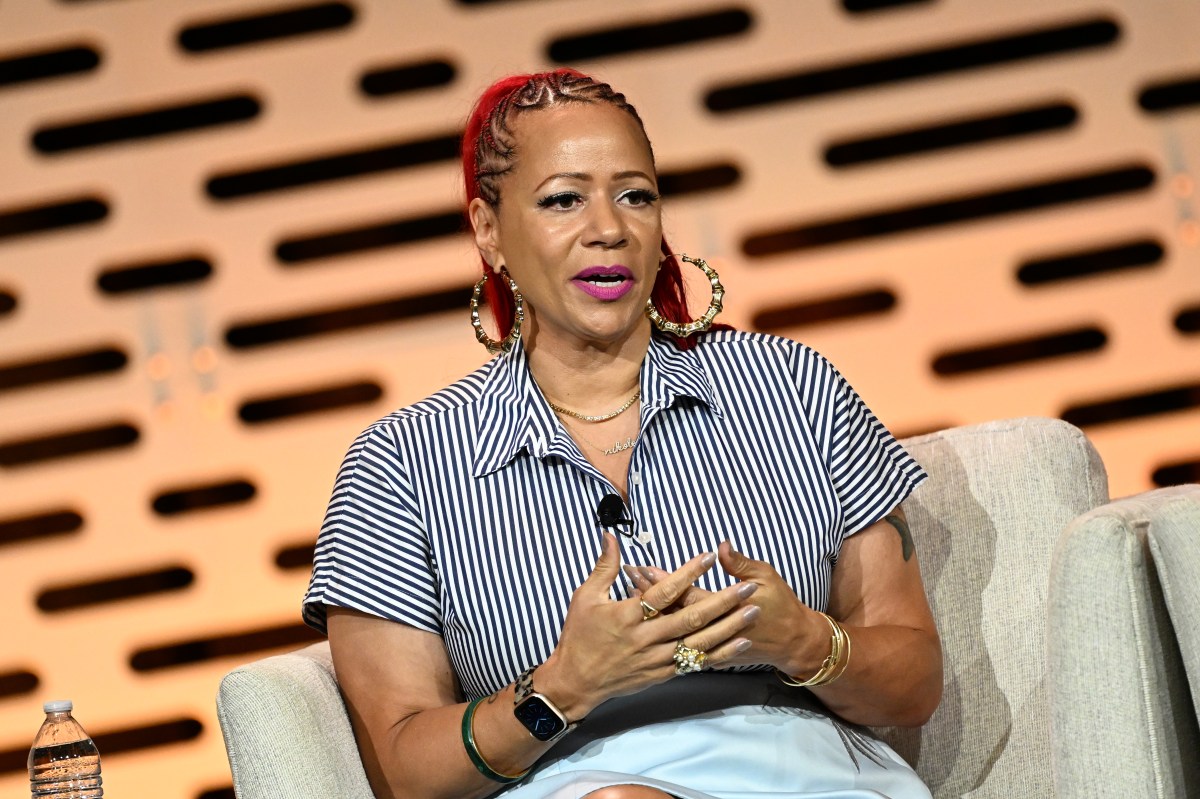
Ten years ago, Pulitzer Prize winner Nikole Hannah-Jones, best known for creating The 1619 Project, which examines the legacy of slavery in America, put her daughter on the cover of The New York Times Magazine to make a case for school integration that was also deeply personal: If you believe in integrated schools, what happens when the choice is your own child’s education? But I knew I made the just one,” Hannah-Jones wrote in her 2016 essay after Najya, her daughter, was accepted into a high-poverty Brooklyn school that she and her husband had chosen. Najya ended up at Public School 307, whose attendance zone was drawn closely around the Farragut Houses, a large public housing development.
At the time, 91 percent of its students were Black and Latino. In a sequel published in the same magazine over the weekend, Hannah-Jones revisited the decision years later and acknowledged that she might have gotten it wrong. Newsweek reached out to Hannah-Jones for comment on Monday.
The admission isn't just that the school failed. It's that Hannah-Jones knew there were problems, kept going anyway, and now says she cannot forgive herself for what that decision meant for her daughter. She goes further than regret.
Describing the moment she understood what nine years of emails and unanswered complaints had cost Najya, she writes: “I felt overcome with regret. This girl, my only child, looked to me to protect her, to give her what she needed to thrive. And I had not chosen her.” Hannah-Jones had spent years reporting on the ways public schools fail children.
She and her husband also had a choice about where to send their own daughter. She now writes that they made the wrong choice for Najya. The consequences became clear over time.
Najya was one of the brightest students in her class, Hannah-Jones writes, but she still could not pass the state algebra exam. Years later, after struggling with algebra gaps that a tutor traced back to elementary school, Najya told her mother: “I never really got the education I wanted.” Then she asked a question that forced Hannah-Jones to confront the decision itself: “Did you know my school was bad like this when you decided to put me here?” Hannah-Jones describes finding her daughter's math folder filled with ungraded assignments. A school literacy coach later told her that Najya's teacher had “most likely never performed the school's mandatory reading assessments for Najya or any of her classmates.” The failures had accumulated over years.
Extract — continue reading at the source.