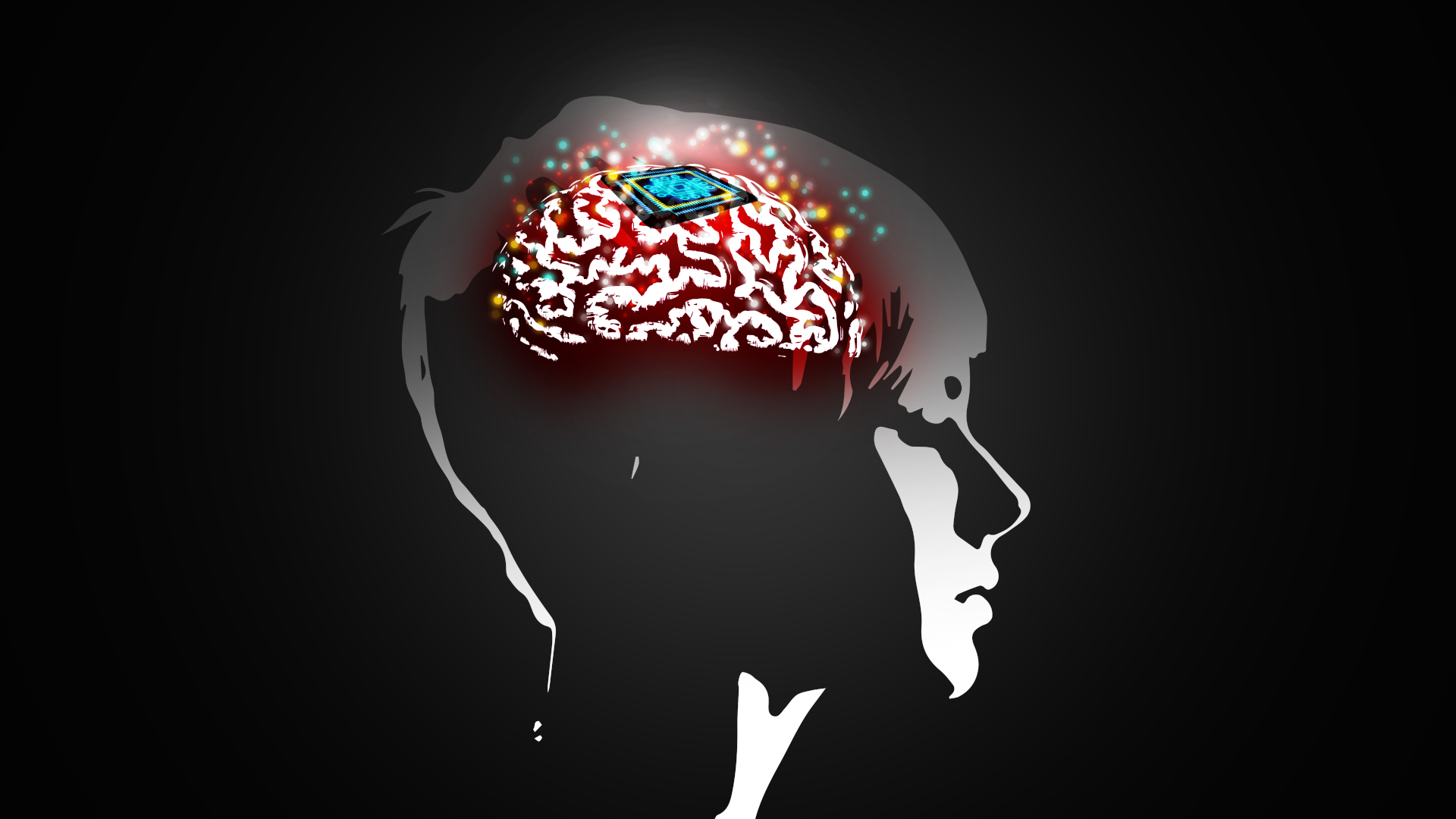
In this episode, hosts Brooke Borel and Anna Rothschild ask: Should we allow AI technology to be put in our brains? It sounds like something out of science fiction, but researchers are already exploring using machine learning in neural implants._ _Their guests this week are Judy Illes, a professor of neurology and neuroethics at the University of British Columbia, and Joseph J. Fins, a physician scientist, and medical ethicist at Weill Cornell Medicine in New York._ _Below is the full transcript of the podcast, lightly edited for clarity.
You can also subscribe to Entanglements on__Apple Podcasts__and__Spotify__._ **Brooke Borel:** I have a question for you. Would you ever give AI access to your mind? **Brooke Borel:** I get it, I get it. But this is already happening, at least in other people, not in your mind specifically, and there are actually some interesting reasons scientists are considering it. **Brooke Borel:** You’re listening to Entanglements, the show where we dig into the thorniest scientific debates — and try to find common ground.
I’m Brooke Borel, articles editor at Undark magazine. **Anna Rothschild:** And I’m science journalist Anna Rothschild. Tell me more. **Brooke Borel:** Alright well, first let me back up a little bit. Are you familiar with neural implants? **Anna Rothschild:** Yeah, like those electrodes that can go in the brain to help treat seizures?
That sort of thing? **Brooke Borel:** Yeah, that’s one example. Neural implants are basically hardware that you put into the brain. **Anna Rothschild:** Pretty crazy that that’s even a thing, I have to say. But yes, go on. **Brooke Borel:** I know.
And this kind of tech has tons of applications these days. It may help stimulate parts of the brain to help relieve otherwise untreatable depression, it can give us a way to communicate with people who are totally locked in — meaning they’re conscious but can’t communicate because they’re paralyzed. I mean, some really amazing stuff. **Brooke Borel:** Yeah.
And some researchers think that this technology could be exponentially more powerful if it used AI. **Anna Rothschild:**Allegedly, yes. But what does that actually mean in practice? How would the neural implants use AI?
Extract — continue reading at the source.