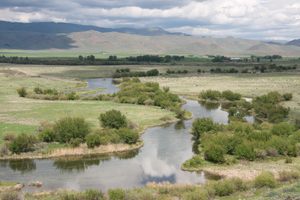
In Idaho’s high desert, underground water resurfaces as a remarkably rich spring-fed creek. Silver Creek’s streams support streamside (riparian) forests and wetlands that are havens for wildlife. Sam Beebe CC BY 2.0 via Flickr Silver Creek includes 3 camping sites, 1 in the northern part of the location and 2 in the southern part.
BLM Idaho, CC BY 2.0 via Flickr The preserve features vibrant desert spring-creek wildflowers, such as wild iris, blue camas, forget-me-nots, and velvety mulleins. Joan Amero, CC BY 2.0 via Flickr In 1976 a group of eco-minded individuals supported the purchase of 470 acres of what is now Silver Creek Preserve. Joan Amero, CC BY 2.0 via Flickr Silver Creek’s streams support streamside (riparian) forests and wetlands that are havens for wildlife.
Sam Beebe CC BY 2.0 via Flickr Silver Creek’s streams support streamside (riparian) forests and wetlands that are havens for wildlife. Joan Amero, CC BY 2.0 via Flickr In the high desert near Picabo, Idaho, a cold, wildlife-filled stream winds through wetlands and grasslands, fed not primarily by mountain runoff but by water emerging from the ground. Water from the surrounding hills and nearby Big Wood River percolates underground through an aquifer before being forced back toward the surface near the Picabo Hills.
Numerous springs feed seven large tributaries of Silver Creek. The emerging water is alkaline, nutrient-rich, and stays at a relatively constant temperature throughout the year. Those conditions support abundant aquatic insects and a wild trout fishery, while the surrounding riparian habitat attracts moose, coyotes, bobcats, eagles, and more than 150 recorded bird species.
The landscape visitors see today is also the result of a long restoration experiment. Before the preserve was established, livestock grazing, fishing pressure, erosion, and other disturbances had degraded portions of the creek and its watershed. The Nature Conservancy purchased the original 479-acre property in 1976 after encouragement from the local community.
The preserve has since expanded to 882 acres, while more than 15,000 additional acres in the watershed have received protection, many through conservation easements. Get more unusual and extraordinary places each week with the Atlas Obscura Places newsletter. Your newsletter subscriptions with us are subject to Atlas Obscura's Privacy Policy and Terms of Use.
Extract — continue reading at the source.