There was a risk, in the run-up to the Commonwealth heads of government meeting (Chogm) this week, that important discussions could be derailed by the UK government’s refusal to apologise for slavery and the slave trade, combined with its continuing rejection of calls for financial reparations. For the Caribbean governments and campaigners pushing for these steps, the siting of the biennial gathering in Antigua and Barbuda offered a vital opportunity to press their case and raise awareness of the challenges that they face. That deadlock was broken when Andy Burnham wrote in the Guardian at the weekend of his “sorrow and regret for the pain and suffering of so many millions of people”, and pledged to listen to calls for a formal apology as part of a structured dialogue.
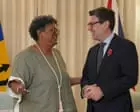
While he reiterated the UK government’s position that financial reparations will not be offered, he also indicated a willingness to discuss aid, investment and the restructuring of debt. King Charles did not say sorry when he addressed Chogm on Tuesday, but a very necessary process of reconciliation and redress has at last begun. Mia Mottley, the prime minister of Barbados, pointed to continuing disagreement on the reparations question.
Philip J Pierre, the chair of the Caribbean Community, said that “apology without repair is incomplete”. And while the new drive on debt promised by Mr Burnham is welcome, it is shamefully overdue. Last year’s UN development finance conference did not achieve the hoped-for breakthrough and the UK opposed proposals for a new process to tackle the worsening debt crisis.
The context of rising climate threats and broken promises of climate finance to support a transition away from fossil fuels only serves to strengthen the Caribbean countries’ case. Mr Burnham’s announcement of Gordon Brown’s involvement in debt negotiations was a promising sign, but so far there is no detailed plan. The difficulties are enormous.
High interest payments have undermined the beneficial effects of earlier debt forgiveness, with record-high costs trapping poor countries in a cycle whereby they cannot afford to invest in the health, education and renewable energy that they desperately need. While problems with aid go back decades, the Trump administration’s defunding of USAID was a massive setback. Disappointingly, there is no sign that Mr Burnham will reverse the UK’s own aid spending cuts, which have hit Commonwealth countries and nature protection projects hard.
Historians continue to uncover new information about Britain’s involvement in slavery; William Pettigrew, for example, recently named King James II as “the most important English slave trader of the 17th century”. But while enslavers, investors and traffickers enriched themselves, and provided seed funding for the Industrial Revolution, the Caribbean was left impoverished by the cruel system that the colonists built. Now, demands for this legacy to be properly recognised are coinciding with the climate crisis, to which Caribbean islands are highly exposed through their vulnerability to hurricanes.
Extract — continue reading at the source.