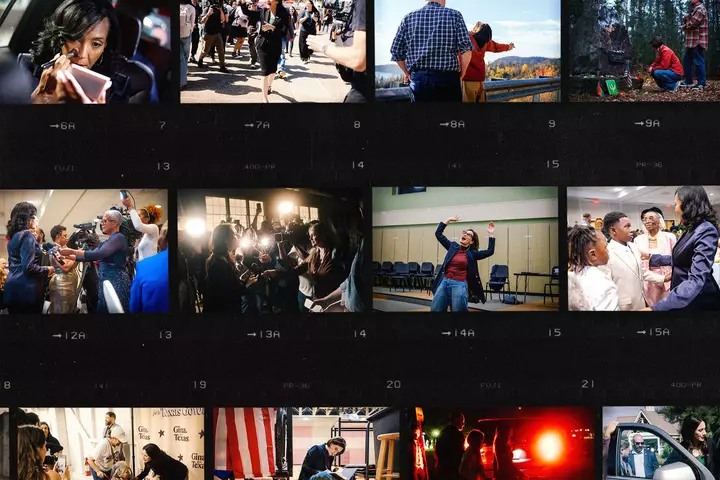
It would be hard to pin down the exact location of Peggy Flanagan, Keisha Lance Bottoms and Gina Hinojosa at any given time these days. For these criss-crossing campaigns locked in tight statewide races, the only option is onward — to a Savannah barbershop, toward a reservation in the far corners of northern Minnesota, onto a rally stage in San Antonio. Along the way, these candidates are disrupting a system that has relegated women like them to the margins of political power for as long as the United States has been a nation.
From the outside, their campaigns are a mild tremor rattling the status quo. If they win their races in November, voters will have effectively shifted the balance of power and added a crack to a foundation that sometimes feels unshakeable. During stops in the southeast corner of Georgia, Bottoms made clear that protecting Georgians’ voting rights from attacks that could weaken representation for Black voters would be a top priority as governor.
If elected, Bottoms would become the first Black woman to lead a state in the history of the country, a milestone that has twice eluded Georgia. Campaigning along the shores of Lake Superior in Minnesota last week, Flanagan told voters she understood the pain of living in financial instability, having experienced it as a child. Born to Indigenous and Irish parents, Flanagan could become the first Native American woman ever elected to the U.S.
And in a hopscotch of events between Austin and San Antonio, Gina Hinojosa’s populist appeal — accented by her ease with Spanish — could make her the first Latina to ever hold the top job in Texas, which grew its Latino population more than any other state in the last decade. The 19th documented some of the final days of these historic campaigns, tracing how these candidates — at once ordinary and revolutionary — are working to do something no woman like them has done before. Flanagan is Ojibwe and a member of the White Earth Nation.
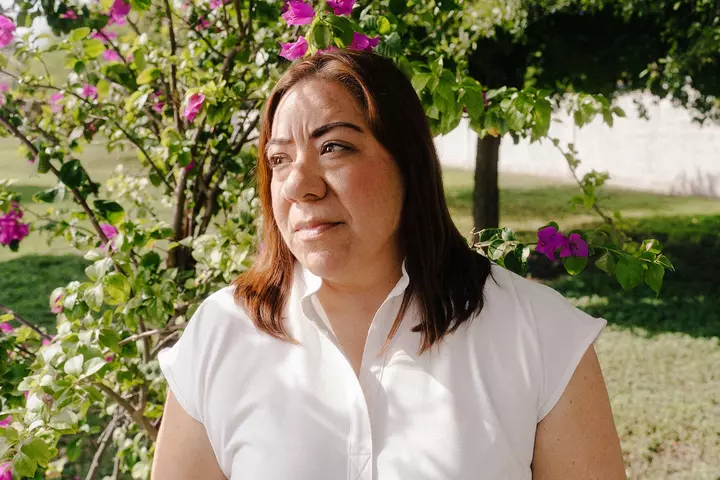
Her Anishinaabe name means “speaks in a loud and clear voice woman,” which aptly describes her work in politics so far, standing out as a voice on issues that previously had little attention. Case in point: Flanagan pushed for the creation of the nation’s first state-level office to combat violence against Native Americans, particularly women. But Flanagan is also warm.
During a stop in Grand Marais, Minnesota, on a cool fall morning, she greeted locals with hugs, and leaned down with a big smile to pet a dog. Her sweaters nod to this or that Minnesota town, and her love for her state. When connecting with voters, sometimes these things do the talking.
Extract — continue reading at the source.