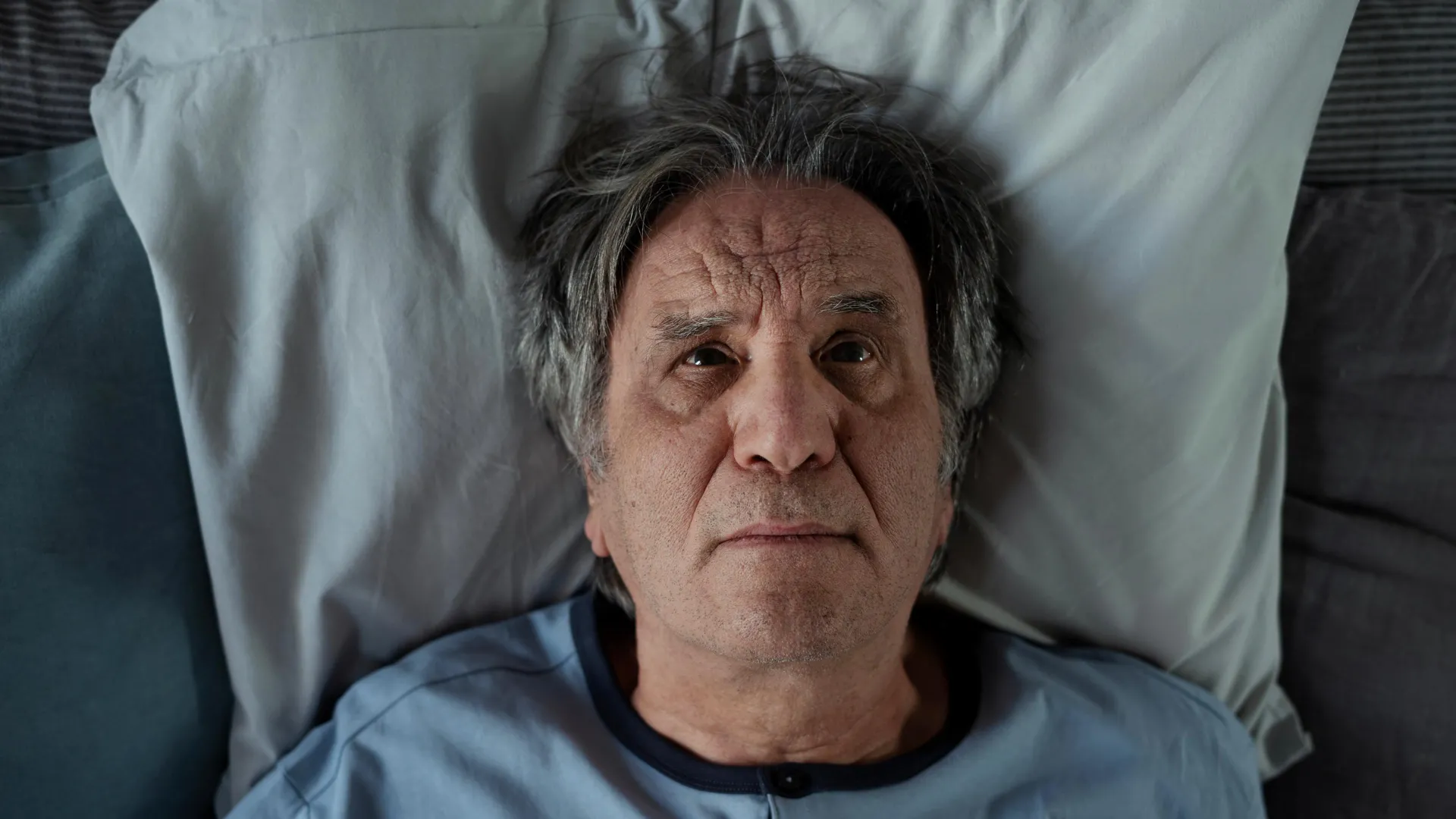
A new analysis of biological aging across the human body suggests that both sleeping too little and sleeping too much are associated with faster aging in the brain, heart, lungs, immune system, and other organs. These sleep patterns were also linked to a broad range of diseases. "Previous studies have found that sleep is largely linked to aging and the pathological burden of the brain.
Our study goes further and shows that too little and too much sleep are associated with faster aging in nearly every organ, supporting the idea that sleep is important in maintaining organ health within a coordinated brain-body network, including metabolic balance and a healthy immune system," says study leader Junhao Wen, assistant professor of radiology at Columbia University Vagelos College of Physicians and Surgeons. Scientists are increasingly using aging clocks to estimate whether a person is aging biologically faster or slower than their chronological age. These tools rely on machine learning and biological information (e.g., proteins from a minimally invasive blood test) to calculate patterns associated with aging.
Many aging clocks provide a single measure for the entire body. However, different organs can age at different speeds. One familiar example is the decline in ovarian function that contributes to the biological clock associated with female fertility.
Wen and his colleagues have been developing aging clocks that focus on individual organs. The goal is to provide more detailed and potentially more personalized information about a person's health. "Everyone is excited by these aging clocks and their ability to predict disease and mortality risk," Wen says.
"But to me, the more exciting question is, can we link aging clocks to a lifestyle factor that can be modified in time to slow aging?" Sleep offered researchers an ideal way to explore that question because mounting evidence suggests that sleep plays an important role in health. Wen also had a personal interest in the issue. "I'm also a light sleeper and was getting worried about the effects on myself," says Wen.
To create the aging clocks, Wen used information from about half a million participants in the UK Biobank. Machine learning was applied to identify biological signatures associated with aging in different organs. The researchers built clocks using several types of information, including structural measurements from medical imaging, proteins associated with specific organs, and molecules detected in the blood.
Extract — continue reading at the source.


