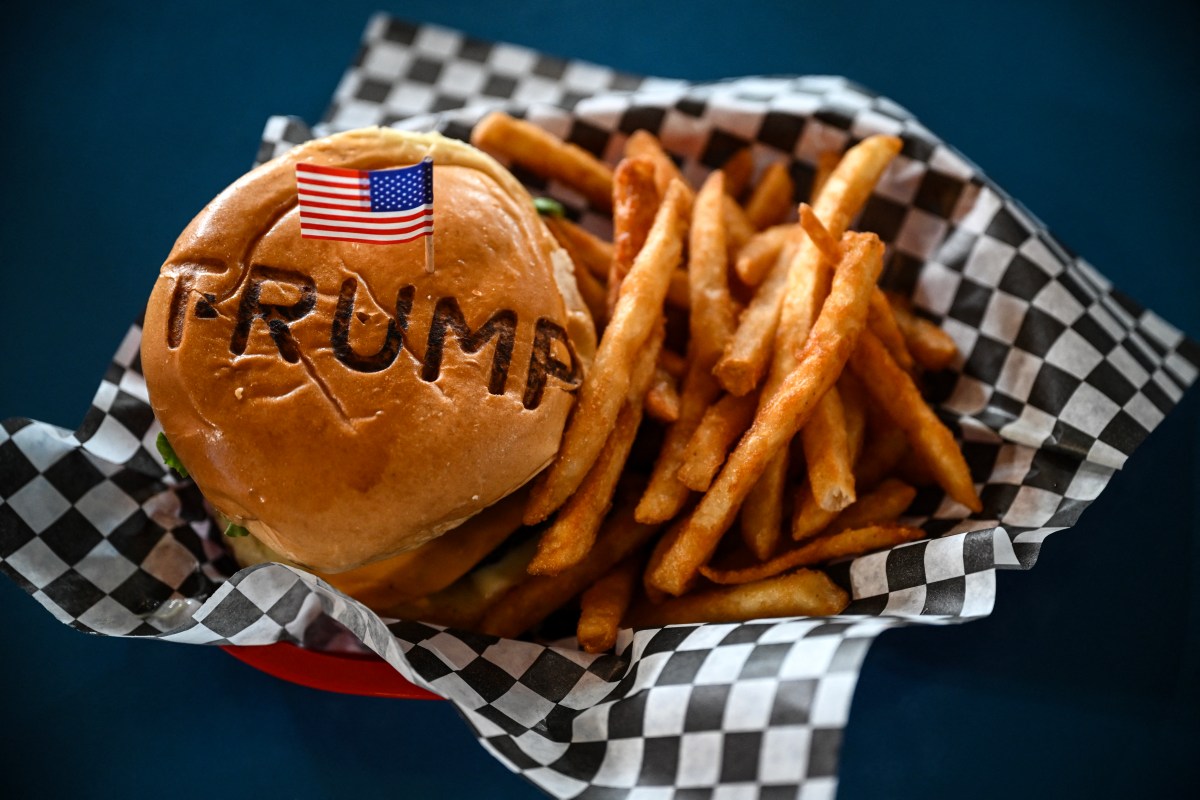
President Donald Trump has opened the cattle gates to 300,000 tons of foreign beef outside of the current import quotas for the next 90 days. A cynic might see this as a naked attempt to beef up Republican chances in the midterms, where the higher cost of living under Trump is set to be the defining issue. The cynic would probably be right.
But who cares if I'm paying half the price for twice the burger? Well, there's the problem, really. There's more to a hamburger than the beef.
Trump's bet forgets the rest. And that's why Trump may end up with more gristle than meat. "We have a commitment that this beef will be sold at 25 percent below current market prices," Trump said in a Truth Social post early Friday.
"This deal will reduce prices for Americans while giving space for our Great American Beef Herd to grow again." American ranchers might disagree with the notion that more beef imports are good for them. But that's another issue for another day. The inflation debate these past few years has centered on particular household products that became totemic symbols of affordability issues.
Perhaps the best example is the exorbitant price of eggs under former President Joe Biden, which Trump's 2024 campaign successfully weaponized against the Democratic administration. Trump also put a great emphasis on beef prices, hence his administration's focus on the great American cow too. But while these are potent symbols of households struggling to pay for groceries, the cost of living isn't high or low because of any one thing.
Voters feel inflation broadly—across food, energy, housing, gas (especially bad right now due to Trump's war in Iran), debt repayments, health insurance and so on. So Trump can massage down the price of beef before the midterms. But does it make any difference if that saving is just absorbed elsewhere in rising family bills?
Extract — continue reading at the source.