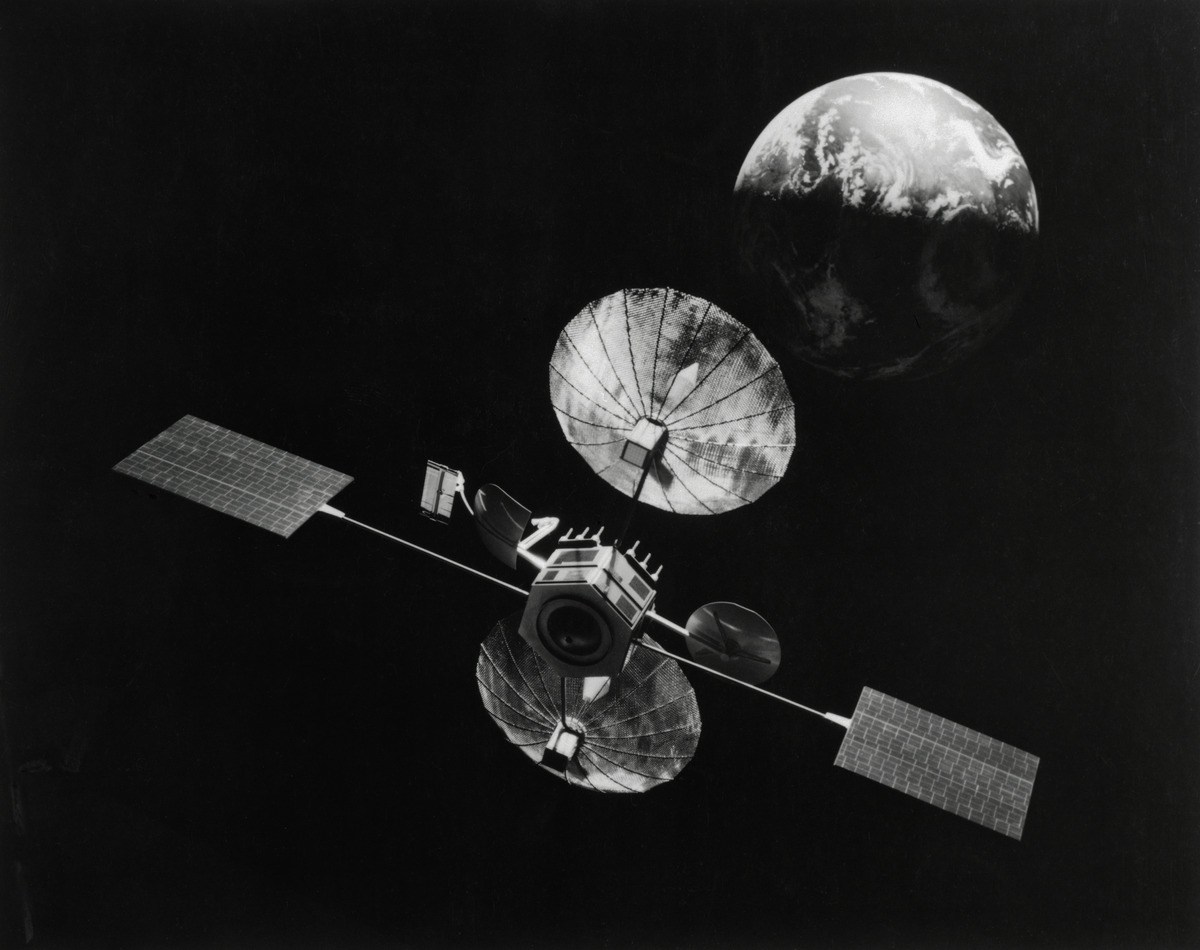
Analysts are investigating why a decades-old American satellite fell apart while orbiting the Earth last month, according to the U.S. military. The USA 32 satellite split apart while traveling in a low-Earth orbit at around 9:13 p.m. EDT) on September 13, a spokesperson for the U.S.
Space Forces–Space (S4S), told Newsweek in a statement. "The cause of the fragmentation is currently unknown as analysis is still ongoing," the spokesperson added. It's usual for satellites to fragment and add to so-called "space junk" that orbits the Earth but no longer serves any real purpose.
But the debris from inactive satellites can pose a danger to other objects in orbit. In June 2024, astronauts on the International Space Station (ISS) were forced to take shelter for roughly an hour after a Russian satellite fell apart. The U.S. military said it wasn't aware of any immediate threats from the USA 32 satellite.
The USA 32, sometimes called the NORAD 19460 satellite, was launched in 1988 by the National Reconnaissance Office (NRO), a Pentagon agency, according to open-source trackers. Several media reports identified USA 32 as a late Cold War era-spy satellite. Newsweek has contacted U.S.
Space Forces–Space (S4S) for additional information. Swiss space company s2a systems published a clip on X and said it showed recordings of a "large number of fragments" from the USA 32. Newsweek could not independently verify this footage.
Much of the "space junk" is in low-Earth orbit, usually defined as up to 2,000 kilometers away from Earth. The ISS sits in low-Earth orbit, as do satellite constellations used for real time communication and internet, like Elon Musk's Starlink. Satellites in orbits further away from the Earth are typically better suited for navigation systems like GPS or for capturing certain types of satellite imagery.
Extract — continue reading at the source.