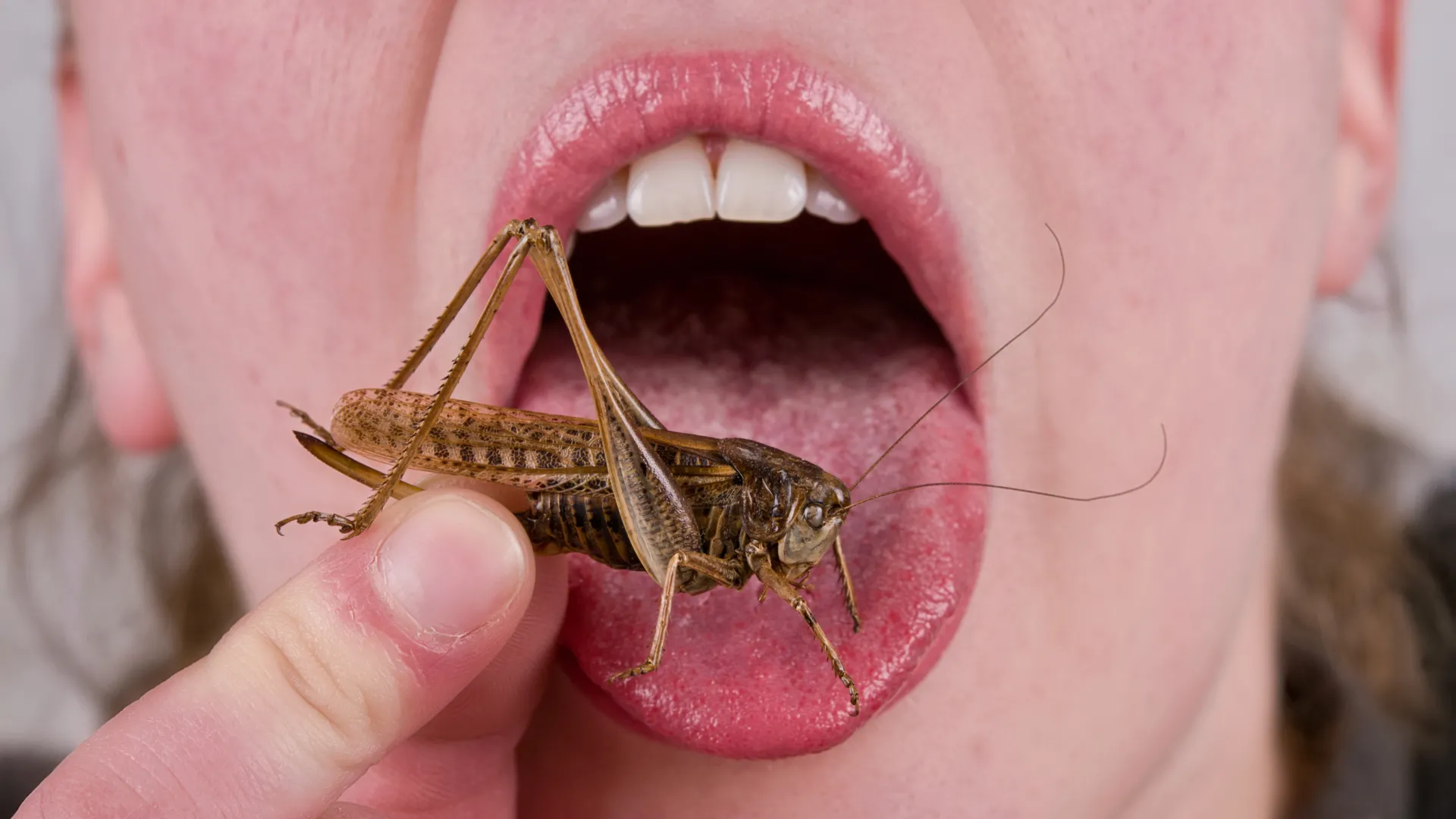
As the global population grows and climate change places increasing pressure on food systems, researchers and policymakers are looking more closely at alternative sources of nutrition. Insects are one possible option. A total of 1,611 insect species are classified as edible, and organizations including the Food and Agriculture Organization of the United Nations (FAO) have highlighted insects as a potentially sustainable food source.
Even so, many Western societies remain strongly resistant to entomophagy, or eating insects, despite the fact that hundreds of millions of people around the world already include insects in their diets. Culture may help explain that reluctance, but scientists have not known how far back it goes or what other forces may have shaped it. Researchers from the Institute of Evolutionary Biology (IBE), a joint center of the Spanish National Research Council (CSIC) and Pompeu Fabra University (UPF), have now used genomic evidence to reconstruct patterns of insect consumption stretching back thousands of years.
Their findings, published in Science Advances, indicate that eating insects was probably occasional and accidental in Europe, Central and East Asia, while it appears to have been more common in tropical regions and among Neanderthals. The work offers new insights into human evolution, ecology, and modern attitudes toward insect-based foods. Ancient Teeth Reveal Insect Eating in Eurasia To search for direct signs of insect consumption, the IBE researchers examined 745 samples of dental calculus (tartar) from anatomically modern humans dating back as far as 33,000 years.
Dental tartar can trap and preserve DNA from species that were regularly eaten, providing researchers with a record of ancient diets. The results suggest that modern humans living in northern Eurasia did not regularly eat insects. The team also examined genes involved in breaking down chitin, a major component of insect exoskeletons.
Among North Eurasian populations, chitinase genes contain mutations associated with a reduced ability to digest insect exoskeletons. That genetic pattern has persisted for roughly 9,000 years, dating back to the rise of agriculture. "The scarce presence of insects in the diet of northern Eurasians suggests that the absence of entomophagy is not solely due to recent cultural factors, but also to a long ecological and evolutionary history," says Pablo Librado, principal investigator at the IBE who led the study.
Neanderthals Show More Evidence of Eating Insects The picture was different for Neanderthals. Although they lived in many of the same environments as anatomically modern humans, their dental calculus contained considerably more insect DNA. The amount detected in Neanderthal samples was similar to levels found in western chimpanzees, which use insects to supplement their diets on the savanna, particularly during droughts.
Extract — continue reading at the source.


