Families facing dementia deserve a conversation that leaves room for both grief and affection. The demands of care can be considerable, yet acknowledging them should not mean overlooking the connection that may remain. I believe caregivers need support that helps them preserve that connection without treating their own exhaustion as proof of devotion.
The scale of that need is difficult to ignore. The Alzheimer’s Association’s 2025 Facts and Figures report noted that 59 percent of dementia caregivers experienced high or very high emotional stress. And 38 percent will experience physical stress.
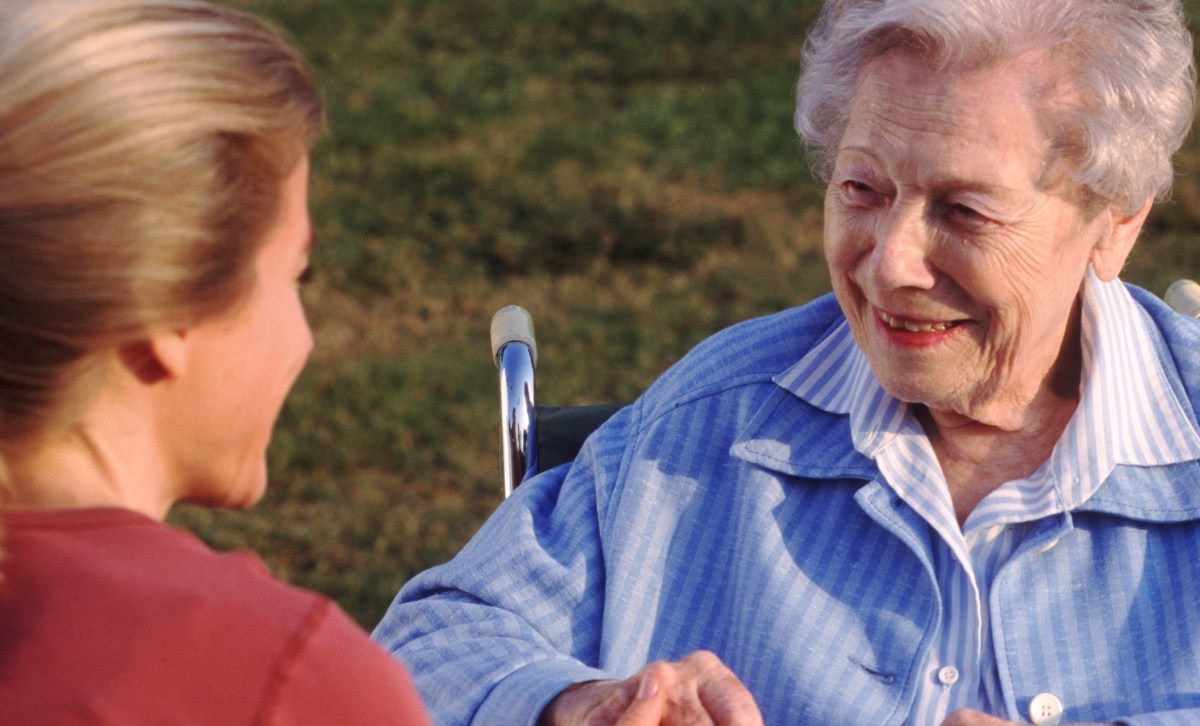
It also recognized that caregiving can bring satisfaction and a sense of togetherness. Those findings deserve to be considered together. Supporting caregivers should mean helping them carry difficult responsibilities while protecting the relationships that give those responsibilities meaning.
I have spent years caring for my wife, who is now in the final stage of Alzheimer’s disease. Much of the future we expected to share has become impossible. Yet caring for her has also changed how I relate to other people.
I find myself more patient, more generous, and more attentive to kindness. That is my experience, not an outcome anyone should feel obliged to achieve. There is a danger in suggesting that hardship must produce personal growth.
A caregiver who feels depleted has not failed to love deeply enough. Still, I think we should make room for the possibility that sorrow and fulfillment can exist together. Recognizing a meaningful moment does not diminish the seriousness of the illness.
Extract — continue reading at the source.