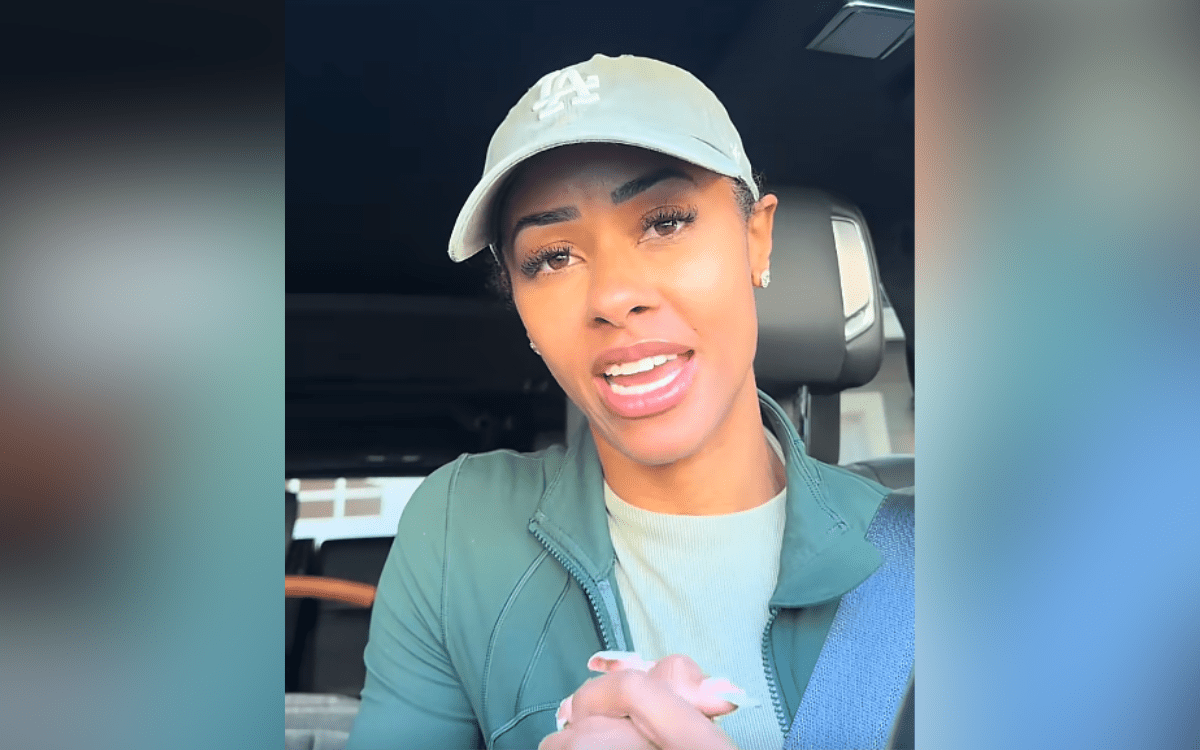
A woman has revealed five potentially life-saving tips she says she learned while working in a coroner's office. Mariah Moretti is a California-based mother of three who spent three years working for a sheriff-coroner and attended "hundreds of autopsies" during that time. The experience gave her a fresh perspective on life and the simple steps people can take to reduce their risk of tragedy.
"A lot of these are things we don't think about or learn until it's too late," Moretti told Newsweek. First on her list is simple advice: get your heart checked regularly if you're over 50. "I am not a medical provider, but seeing so many people pass away from heart-related deaths that, in many cases, could have been prevented with intervention made me want to spread the word," Moretti said.
The statistics support her concern. Heart disease is the leading cause of death in the United States. In 2024, it claimed more than 683,000 lives, including more than 76,000 people ages 55 to 64 and over 560,000 people ages 65 and older, according to the Centers for Disease Control and Prevention (CDC).
Next, she urged drivers to be extra cautious when traveling late at night, even after a traffic light turns green. "Don't immediately accelerate," she said. "Stop, look both ways, and then proceed.
A lot of people run red lights at night, especially impaired drivers." Research suggests nighttime driving carries greater risks. An analysis by eTags using National Highway Traffic Safety Administration data found that while only about 9 percent of driving occurs between sunset and sunrise, roughly 49 percent of fatal crashes take place during those hours. Moretti's third recommendation is to avoid the fast lane on the freeway late at night or early in the morning.
"I've seen fatal crashes involving drunk drivers traveling the wrong way on freeways," she said. "They think they're in the slow lane when they're actually driving against traffic, causing head-on collisions." A 2021 AAA Foundation for Traffic Safety analysis found that wrong-way crashes on divided highways killed more than 2,000 people between 2015 and 2018, averaging about 500 deaths each year. Researchers identified alcohol impairment as a major factor, with six in 10 wrong-way crashes involving an impaired driver.
Extract — continue reading at the source.