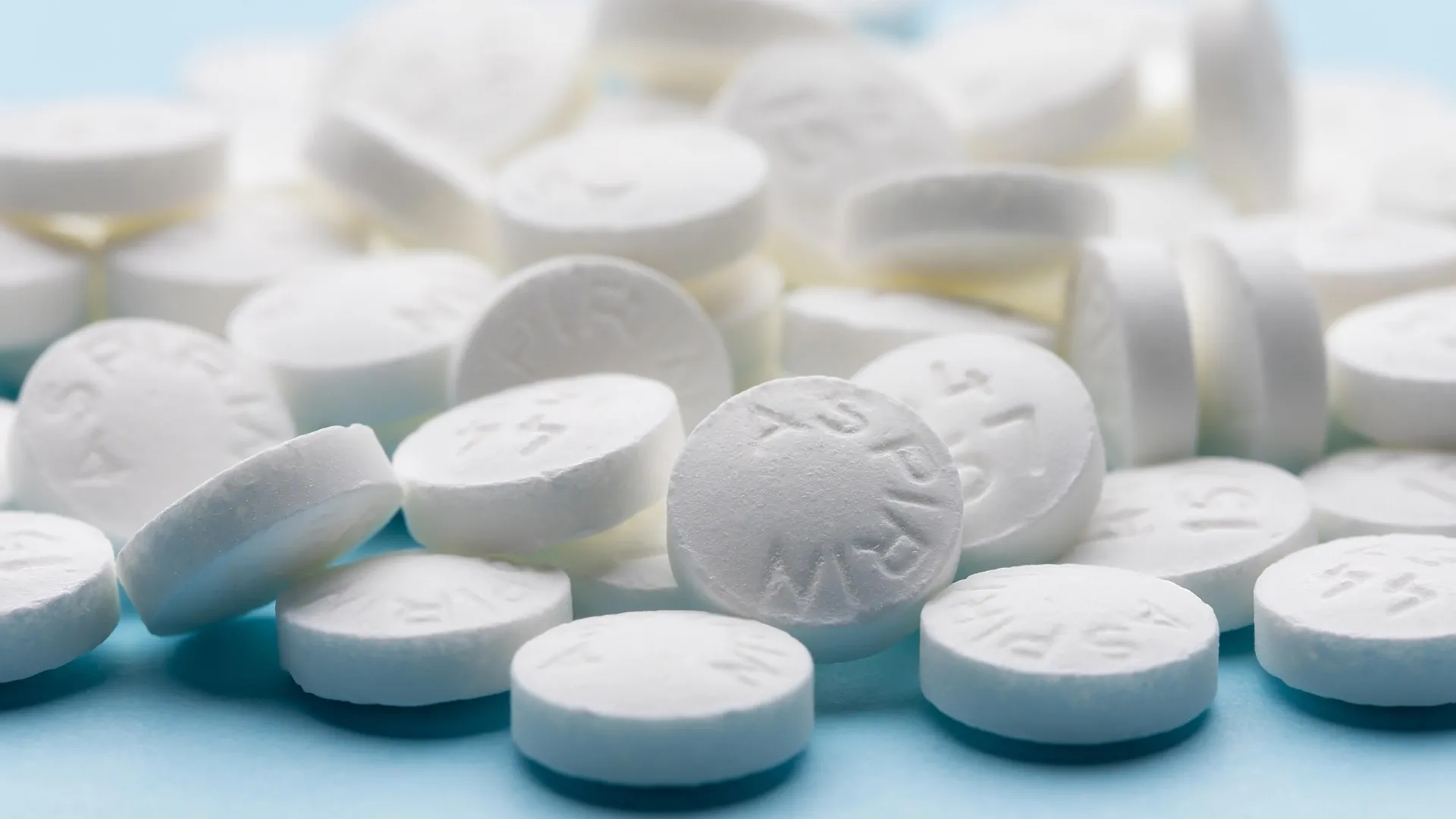
A new analysis from Monash University suggests that low-dose aspirin may be linked to a dramatically lower risk of dementia in older adults with certain genetic characteristics. Researchers found that people with a specific genetic profile who took aspirin had a 70 percent lower relative risk of developing dementia, raising the possibility that genetic testing could eventually help identify people who might benefit from preventive treatments. The findings, published in Alzheimer's & Dementia: The Journal of the Alzheimer's Association, were based on genetic data from more than 13,500 participants in the landmark ASPREE Trial (Aspirin in Reducing Events in the Elderly).
Scientists examined whether differences in participants' genes could help explain why aspirin might affect dementia risk differently from one person to another. Aspirin Linked to 70% Lower Dementia Risk in Certain People The most striking results involved genes associated with platelet count. Platelets are small components of the blood that help form clots, and researchers wanted to determine whether genetic variations related to platelet levels could influence aspirin's potential effects on dementia.
After assigning participants genetic scores associated with platelet count, the team compared dementia rates among those who received aspirin and those given a placebo. Among people in the highest 20 percent of platelet count genetic scores, just 1 percent of aspirin users developed dementia, compared with 3.3 percent of participants taking a placebo. That difference translates to approximately a 70 percent lower relative risk of dementia among those receiving aspirin.
However, the apparent benefit was accompanied by a significant safety concern. In the same genetic group, 4.4 percent of aspirin users experienced major bleeding, compared with 2.1 percent of those receiving a placebo. A Genetic Clue Could Change Dementia Prevention Lead author Dr.
Peter Fransquet, a Research Fellow at Monash's School of Public Health and Preventive Medicine, said the results suggest that a person's genetic makeup could eventually play an important role in determining which dementia prevention strategies are most appropriate. "Previous trials found aspirin didn't prevent dementia when everyone was considered together," Dr. "Our findings suggest there may be more to the story.
"In people with this particular genetic profile, we saw substantially fewer cases of dementia among those taking aspirin. "It raises the possibility that genetics could one day help us identify who may benefit from a preventive treatment, rather than taking a one-size-fits-all approach." The possibility of more targeted prevention is especially important as dementia becomes increasingly common. Dementia Australia estimates that approximately 446,500 people in Australia are living with the condition in 2026.
Extract — continue reading at the source.