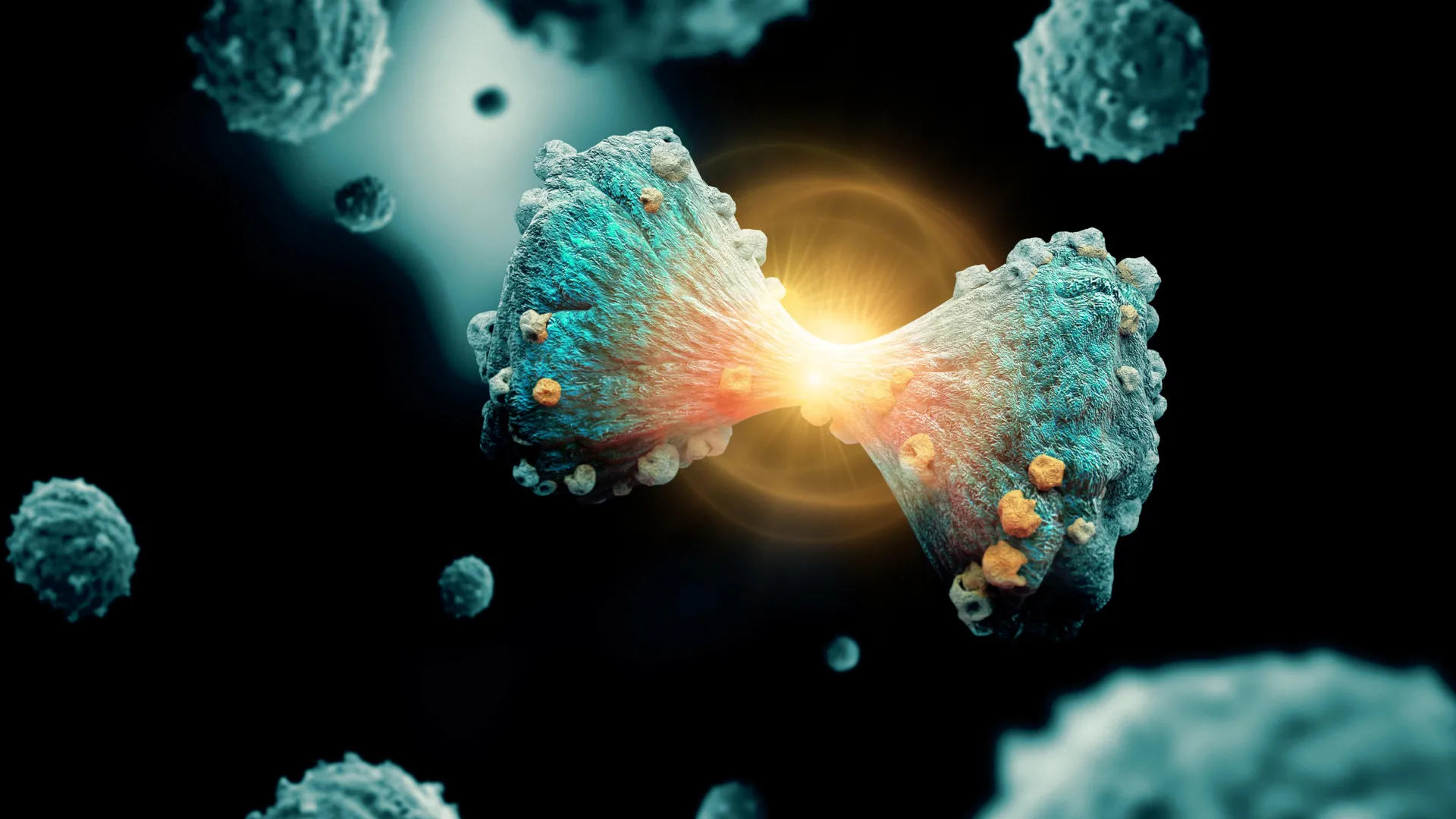
Scientists have uncovered new details about how pancreatic cancer constantly changes its genetic makeup, allowing it to become more aggressive, spread throughout the body, and resist treatment. By examining nearly half a million individual cancer cells, researchers identified genetic changes that could reveal new ways to fight one of the deadliest forms of cancer. The study, conducted by scientists at NYU Langone Health and its Perlmutter Cancer Center, focused on pancreatic ductal adenocarcinoma, a particularly difficult cancer to treat.
Nearly 85 percent of patients die within five years of being diagnosed. Although researchers have already linked more than half a dozen genes to the disease, much remains unknown about how pancreatic cancer develops and adapts. By examining tumor cells individually rather than studying them in large groups, the team gained a clearer understanding of how different populations of cancer cells change their DNA as the disease progresses.
How Pancreatic Cancer Evolves To Escape Treatment The researchers discovered that pancreatic tumors contain a variety of distinct cell populations known as clones. Each clone consists of cancer cells with similar genetic characteristics, but their behavior can differ dramatically. Some clones develop changes that help them withstand cancer treatments, while others become better equipped to invade surrounding tissues and spread to other parts of the body.
These findings suggest that the cancer's ability to continually reorganize its genetic material plays a central role in both treatment resistance and metastasis. Previous studies generally divided pancreatic cancer cells into two main categories: classical (less aggressive) and basal (more aggressive). However, because those studies examined large collections of cells together, scientists could not fully explain how cancer cells move from one category to the other.
The latest findings help explain this process. Genetic changes occurring within individual tumors allow cancer cells to shift between these two states, potentially making the disease more dangerous as it develops. Scientists Identify a Gene That Could Make Pancreatic Cancer Less Aggressive Published on October 13 in Nature Genetics, the study identified several genetic changes associated with pancreatic cancer progression.
One particularly important finding involved MYC, a gene that showed heightened activity in some of the most aggressive cancer cell populations. In additional laboratory experiments, the researchers blocked MYC activity in aggressive basal pancreatic cancer cells. Remarkably, the cells shifted back toward the less aggressive classical state.
Extract — continue reading at the source.