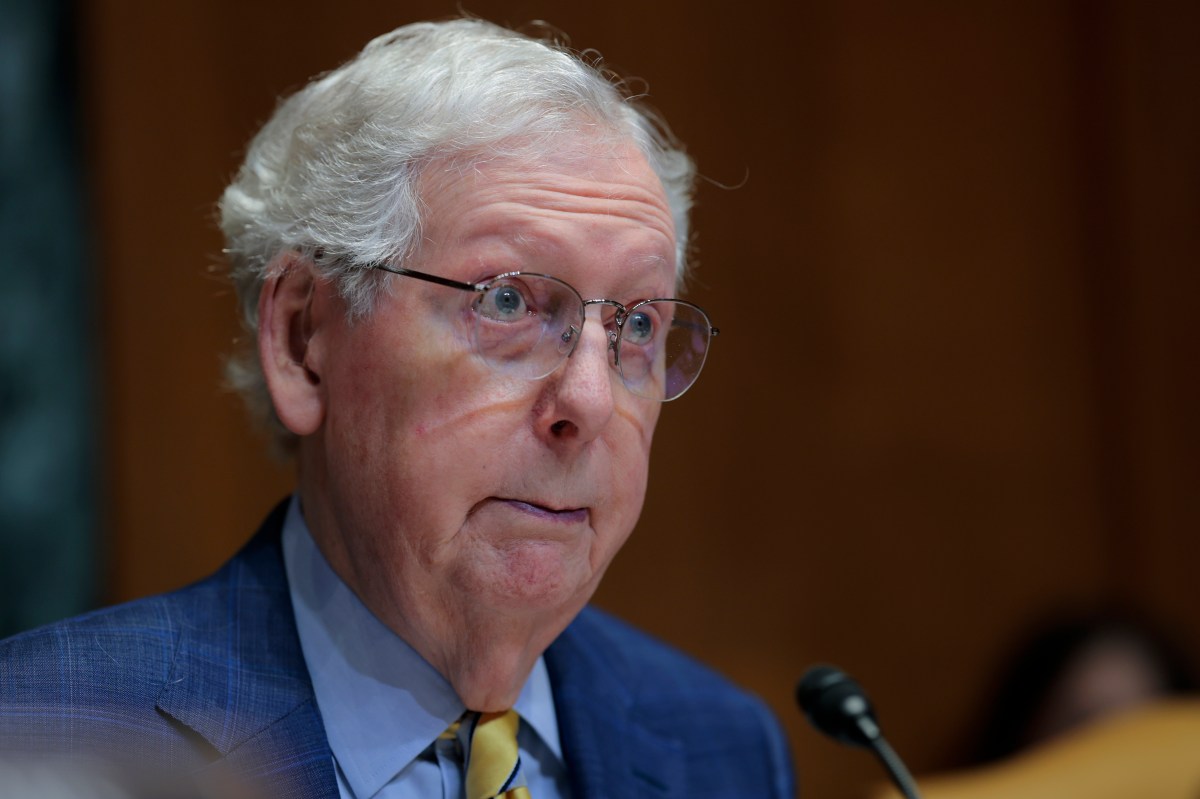
As Senator Mitch McConnell continues his recovery from a June fall that left him hospitalized and later in a rehabilitation facility, his extended, fully paid absence from the Senate has renewed a broader debate about paid leave in America, including with regard to what women who give birth are afforded. The Kentucky Republican, who has not been seen publicly since mid-June and was discharged from rehabilitation in early August to continue recovering at home, has remained on the federal payroll throughout his medical absence. Congress has no official paid sick leave policy, and members can continue receiving their salary indefinitely while on a medical leave.
At the same time, millions of American women who give birth each year do not have access to any guaranteed paid maternity leave. "This disparity highlights how: (1) it is far past the time for federal legislation affording everyday Americans the same rights and benefits bestowed upon Congress; and (2) providing such benefits is clearly feasible, as we do so already for our lawmakers," Thomas Ricotta, an attorney specializing in Family and Medical Leave Act (FMLA) cases, told Newsweek. The United States remains the only wealthy nation without a federal paid parental leave guarantee for most workers.
While FMLA provides eligible workers with up to 12 weeks of job-protected leave, the law does not require it to be paid leave. It also excludes many workers employed at smaller businesses and those who have not met minimum employment requirements. Only a limited number of states and Washington, D.C., operate paid family leave programs.
Those states include California, Colorado, Connecticut, Delaware, Maine, Massachusetts, Minnesota, New Jersey, New York, Oregon, Rhode Island and Washington. Workers in most other states rely primarily on employer-provided benefits or unpaid leave. No state in the country universally guarantees fully paid maternity leave for all workers through a statewide program.
This disparity means a new mother in Kentucky, Texas, Florida, or dozens of other states may have no guaranteed source of wage replacement after childbirth, even while taking protected leave under federal law. Whether a woman gets paid during maternity leave depends largely on where she lives and who employs her. Under federal law, most Americans are not entitled to paid leave after giving birth.
Some employers voluntarily provide paid parental leave, while workers in states with paid family leave programs may qualify for partial wage replacement funded through state-administered programs. Ricotta noted that there's "quite a disparity" in how members of Congress are treated "in comparison to how other Americans are treated." Professor Margaret Quinlan, director of the Health & Medical Humanities program at the University of North Carolina at Charlotte, told Newsweek that postpartum recovery is often treated differently from other major medical events. "The contrast between a member of Congress receiving weeks of fully paid leave during a medical recovery and the reality that many new mothers have no guaranteed paid leave underscores a persistent inequity in U.S. policy," she said.
Extract — continue reading at the source.