Eva and Eric had been married for more than 60 years when her dementia and his increased frailty meant they needed separate residential support. When the first lockdown was announced in March 2020, however, it in effect cut them off from each other and their granddaughter, to whom they had been especially close after the early death of Amy’s mother. That all the isolation was necessary.” Instead, she says, he was depressed and very afraid until he finally caught the virus in 2022.
Amy saw him for the first time on a Covid ward, “when I had to beg and beg and beg the hospital staff to let me visit him”. Eric died shortly afterwards. Six years after Covid struck, the latest report from the public inquiry into the pandemic, published this week, has convinced Amy that the policy of isolating residents was “cruel and pointless”, she says.
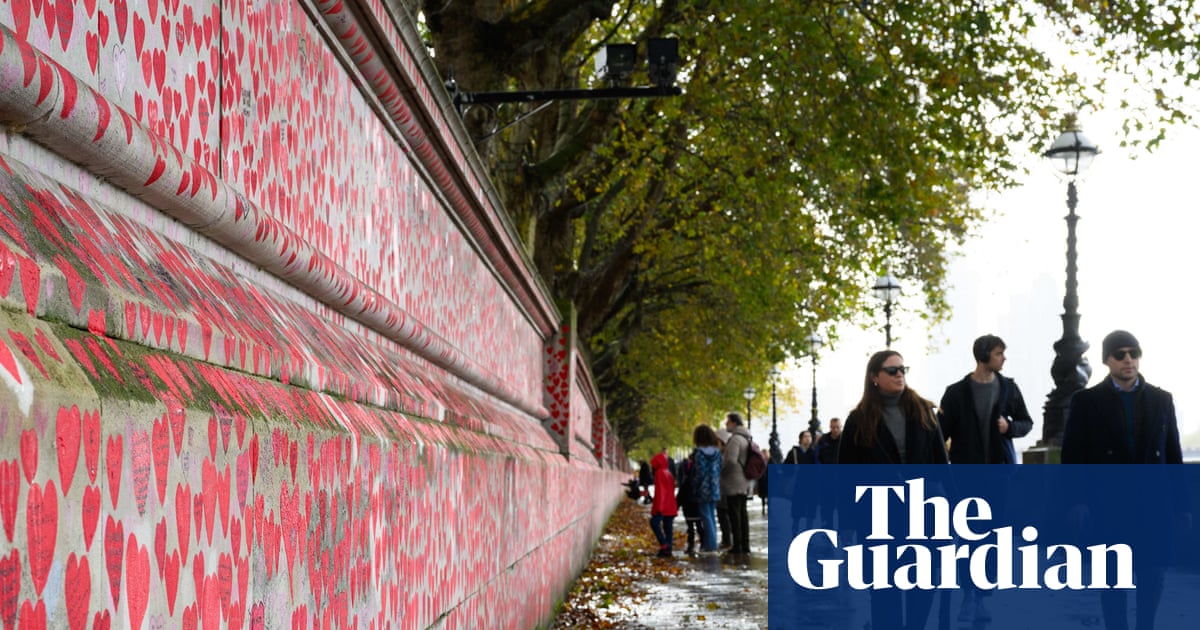
I can never get that time with them back. Instead, the decision to discharge untested patients from hospitals into care homes led to the virus spreading “like wildfire”, while blanket restrictions on outside contact led to “immense emotional harm” and “profound isolation” for vulnerable residents. The findings are no surprise to the family members of care home residents, many of whom have told the Guardian of the immense distress their loved ones went through.
Roger Dennison’s father, Lucius, was a sprightly 90-year-old care home resident when the first reports of the coronavirus emerged; they watched the news together in Lucius’s room and wondered how quickly it would peter out. Weeks later, Lucius’s care home had firmly locked down, and the only way Dennison could talk to his dad was through a window that had been opened a few inches at the top. It wasn’t very happy as an experience.” They tried it just once but stopped because it was too distressing for Lucius.
After that, Dennison, who had previously visited every other day, was reliant on passing messages through staff, while Lucius was “in his room, largely on his own”. The disease “became a growing apprehension for me once it became clear people were coming into the home and bringing it with them”, says his son. To care workers, too, the situation was terrifying and immensely distressing, says Nick (not his real name), who was a senior worker at a home in West Yorkshire.
I remember having to strip naked at the back door of my house because we had a resident return from hospital who had shared a ward with Covid patients. As a care home, we tried to refuse their return based on the risk of infection but were told [by the hospital] that we couldn’t.” From that point, he says, “all hell broke loose”. Watching people die at such a high rate in such a small space of time; having to say goodbye to so many people we came to know and love; putting our own health on the line every day and then quite possibly carrying that home to your family.
Extract — continue reading at the source.