In this episode, hosts Brooke Borel and Anna Rothschild ask: Which animals are conscious? How we answer this question directly influences animal welfare, among other things. But actually measuring consciousness isn’t so simple, and researchers aren’t in agreement over which animals have it, and which do not._ _Their guests this week are Heather Browning, a philosopher at the University of Southampton in the U.K, and Deb Brown, a philosopher and the director of the Critical Thinking Project at the University of Queensland in Australia._ _Below is the full transcript of the podcast, lightly edited for clarity.
You can also subscribe to Entanglements on__Apple Podcasts__and__Spotify__._ **Archival Clip – Voice 1:** Across the Atlantic the nervous systems of lobsters and other invertebrates are at the center of a bill that is making its way through Parliament. **Brooke Borel:** I mean, I’ve heard you shouldn’t do that. But I missed the part where lawmakers got involved. **Anna Rothschild:** Yes, well, a few years ago, the U.K. passed a law formally recognizing lobsters — and crabs and some other sea creatures — as sentient beings. **Archival Clip – Voice 2:** It believes the science is in: Lobsters are sentient animals. In other words, what’s practically a bug on the bottom of the ocean has feelings. **Anna Rothschild:** And in response, lawmakers in England are taking steps to ban certain practices that they now consider animal cruelty, like boiling lobsters alive. **Anna Rothschild:** British ones might soon.
But not everyone thinks this is the right move — or that lobsters and other crustaceans, or a bunch of other animals for that matter, truly have feelings. **Brooke Borel:** Welcome to Entanglements, the show where we dig into the thorniest scientific debates — and try to find common ground. I’m Brooke Borel, articles editor at Undark magazine. **Anna Rothschild:** And I’m science journalist Anna Rothschild. And today we are getting into animal consciousness — or more specifically, the type of consciousness that researchers have been looking at: animal sentience. **Anna Rothschild:** Right.
So this is something philosophers and scientists have been thinking about for, I don’t know, probably forever — you know, can other animals feel feelings? Do they have a conscious experience of the world the way we do? **Brooke Borel:** Right, and what does that say about how we should be treating them? **Anna Rothschild:** That’s the big question. And we’re finally at a point where researchers can actually approach this question scientifically.
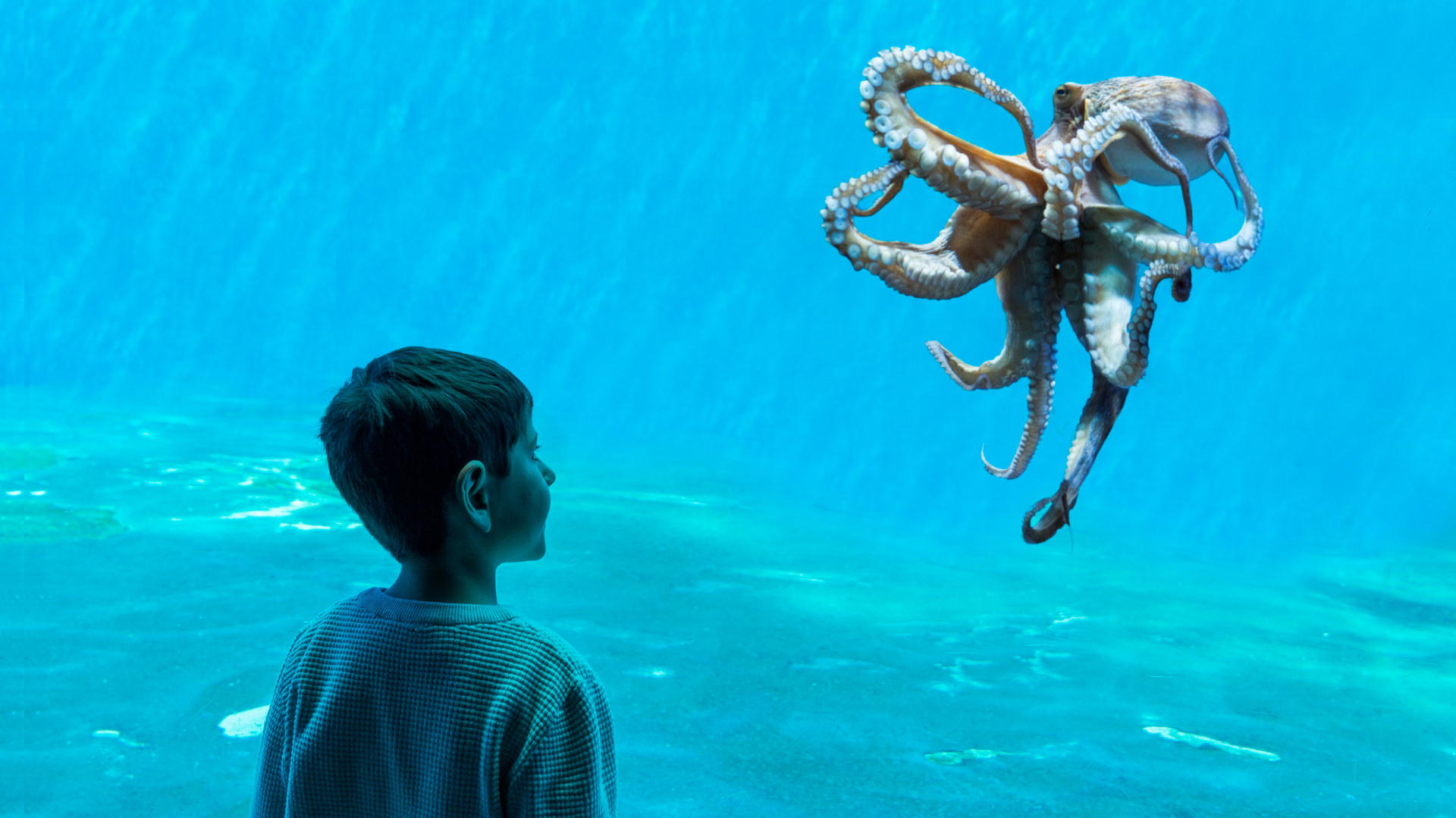
So today my guests are two philosophers who have very different ideas about what the right scientific approach is, and where to draw the line that separates conscious beings from non-conscious ones. **Heather Browning:** I definitely think octopuses are conscious. **Anna Rothschild:** This is Heather Browning. She’s a philosopher at the University of Southampton in the U.K. She studies animal minds and the ethical implications of how we treat other creatures.
And Heather’s been thinking about all this for a long time — since before she even became a researcher. **Heather Browning:** So I started out actually as a zookeeper. And I guess I became interested then in the question of what was happening inside the animal’s minds because you spend a lot of time trying to make sure that the animals are happy and that they have good lives. And so I became increasingly interested in: How do we figure out whether these animals are feeling anything at all, and if they are, what they’re feeling? **Anna Rothschild:** In her view, this all centers on the question of whether or not those creatures are conscious. **Heather Browning:** The reason that we care so much about whether animals are conscious is because essentially when we’re thinking about, “Should we care about the good of this creature?
Extract — continue reading at the source.