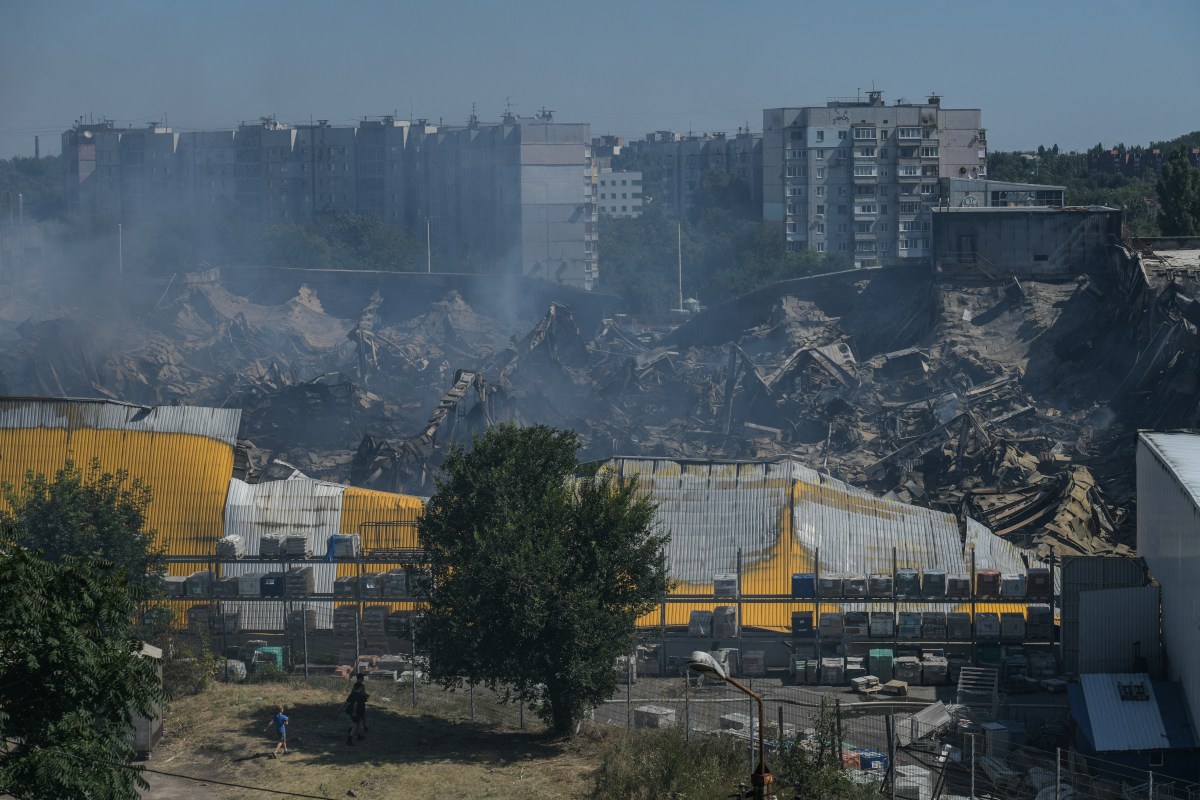
In recent weeks, Ukraine has been striking targets deep inside Russia with large-scale drone attacks and long-range missiles. Some commentators in Western media have hailed Ukraine for beginning to turn the tide. Whether that turns out to be correct, we can only wait and see.
The momentum in wars can swing back and forth. But one thing this does reveal is that Ukraine is not being deterred by Russia’s nuclear arsenal. It has even attacked Russian nuclear bombers and early warning systems.
Yet Moscow has not—thankfully—responded with nuclear weapons. Speaking in 1946, the Chinese revolutionary leader, Mao Zedong, called nuclear weapons a "paper tiger," arguing that they could not be used to fight a war to dominate other nations because they would destroy the very thing the aggressor wanted to control. Mao later endorsed the development of a Chinese bomb, but seen through the lens of current events, his original assessment was spot on.
Even policy experts who have believed in deterrence doctrine are now openly questioning it. In a recent essay in the journal Foreign Affairs, former U.S. and NATO official Rose Gottermoeller wrote an article called The Strange Defeat of Nuclear Deterrence that argued that "Countries have long assumed that the possession of nuclear weapons was the surest guarantee of their security," but Ukraine’s attacks on Russia show deterrence is not working. Gottermoeller attributes this failure to the changing nature of war, but history shows how nuclear weapons have consistently failed to deter.
In 1973, Egypt and Syria attacked Israel. In 1982, Argentina briefly seized the Falkland/Malvinas Islands from the UK. Vietnam was not intimidated by the U.S. nuclear arsenal in their long war.
Nuclear-armed India and Pakistan launched conventional attacks on each other in 1999 and 2025. When the world came the closest we are aware of to nuclear war in the Cuban crisis of 1962, it was not deterrence that prevented a nuclear conflagration, it was "sheer, dumb luck," in the words of former U.S. Secretary of State Dean Acheson.
Extract — continue reading at the source.