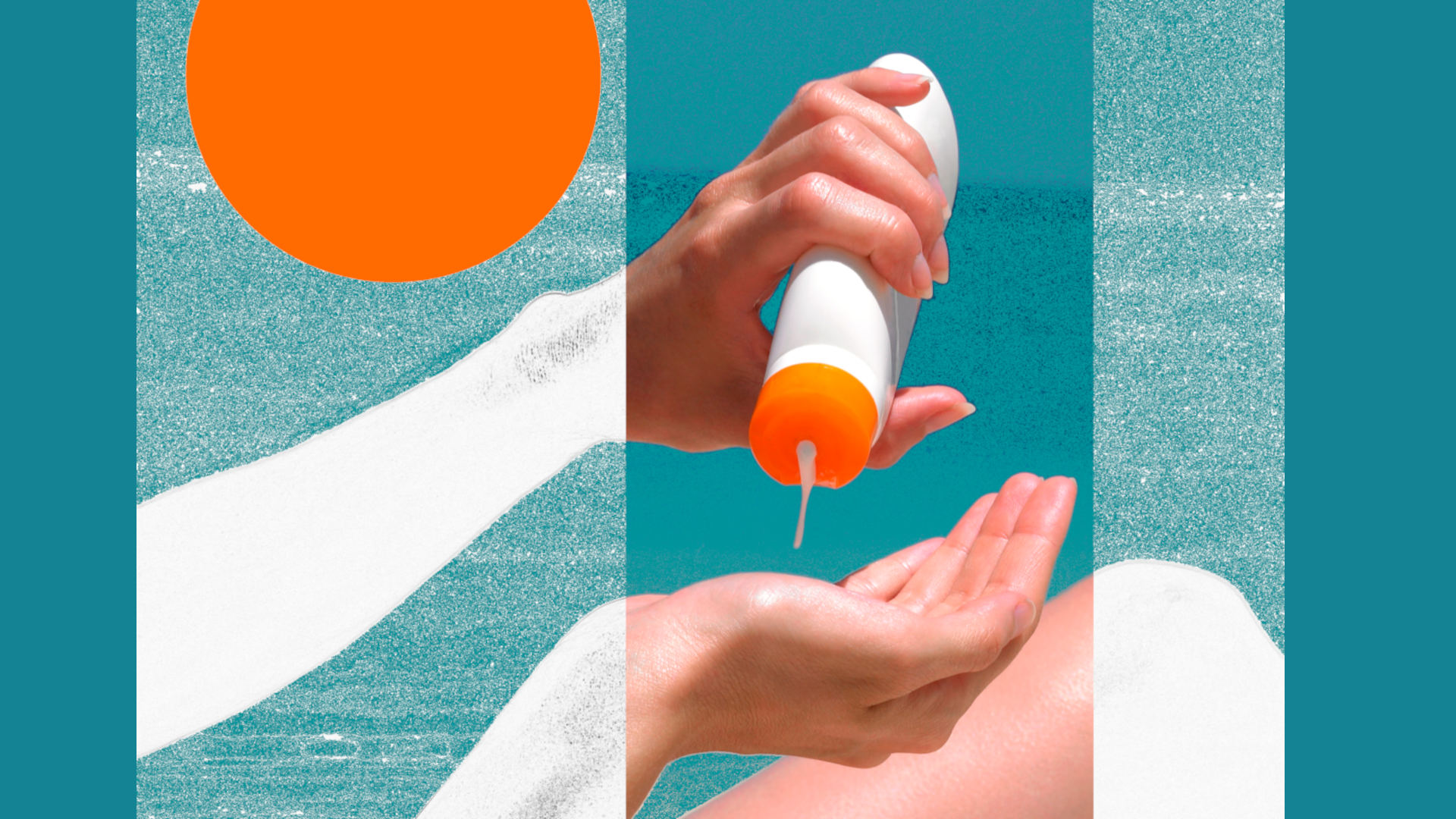
The current dermatological guidelines decree the sun’s rays as a harmful carcinogen, so if you must be outside, slather yourself in a protective layer of sunscreen, wear protective clothing, and seek shade during mid-day. But just how much sun exposure should you get? That’s exactly the question that science journalist Rowan Jacobsen investigates in his new book, “In Defense of Sunlight: The Surprising Science of Sun Exposure.” And the answer is just as complex as our relationship with our shimmering star.
BOOK REVIEW**—** “In Defense of Sunlight: The Surprising Science of Sun Exposure,” by Rowan Jacobsen (Scribner, 288 pages). Humans evolved under the sun, and until the Industrial Revolution, lived most of their lives outside. Recent research shows that once we retreated indoors, we may have actually lost a number of health benefits bestowed by sunshine, and not just the natural source of vitamin D that our bodies generate in its rays.
When the sun kisses our skin, the latter triggers the release or production of a series of other compounds vital to our health. One is nitric oxide, a tiny molecule that acts as a natural vasodilator that relaxes blood vessels, bringing down blood pressure. It’s “also used by the brain to transmit signals, and by the immune system to kill pathogens,” Jacobsen writes.
Some compounds set chain reactions in our bodies. Abbreviated as POMC, it’s a precursor to three essential chemicals. One of them prompts the production of melanin, Jacobsen writes, the dark pigment that helps protect the skin from burning, and which is also “a powerful antioxidant that excels at mopping up the damage caused by the sun’s rays.” The second compound raises the level of cortisol, the stress hormone that has a bad reputation, but only if your body produces it continuously and for a long time, Jacobsen clarifies. > When the sun kisses our skin, the latter triggers the release or production of a series of other compounds vital to our health.
The third POMC-derived compound is “an endorphin that heads for the brain and suffuses it with natural opioids, triggering a blissful state similar to what we get from morphine or opium,” Jacobsen notes. Plus, our skin contains a molecule called urocanic acid. Jacobsen highlights a 2018 mouse study30507-5?_returnURL=https%3A%2F%2Flinkinghub.elsevier.com%2Fretrieve%2Fpii%2FS0092867418305075%3Fshowall%3Dtrue) which found that when activated by sunlight, the molecule enters the bloodstream and travels to the brain, where it becomes glutamate, a neurotransmitter that increases brain activity, and improves cognition and mood.
An observational study in humans a few years later, he writes, “found that those who had been exposed to more sunlight in the preceding few years had significantly better cognitive function than those who lived in darker region.” All that begs a question: How did science miss these important benefits? The answer may lie in our inability to do things in moderation — and Jacobsen walks us through several centuries of history to explain. Ancient civilizations used sunlight to treat skin diseases.
Extract — continue reading at the source.

/https://tf-cmsv2-smithsonianmag-media.s3.amazonaws.com/filer_public/e8/d3/e8d3b80f-3169-4d3b-bd65-c4a0b9805edb/gettyimages-2298516484.jpg)